
Paint walls half-height
5 min reading time
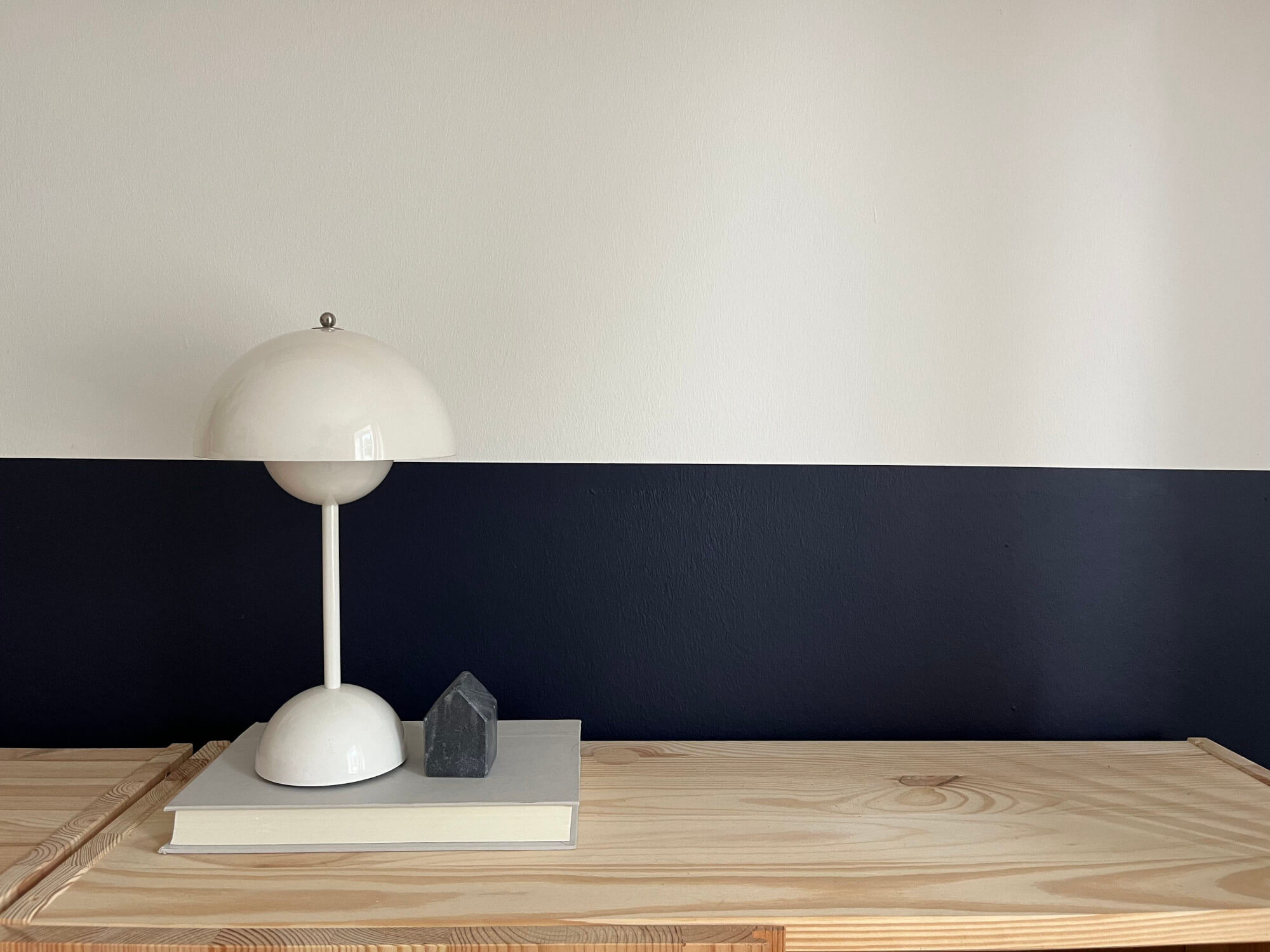
You can see them again and again in home magazines and interior design books: half-height painted walls. This usually looks very inviting. This wall design goes wonderfully with a sophisticated country house style. But it can also emphasise a classically elegant ambience. In any case, you can create a vintage and nostalgic flair with a two-tone wall design
Table of content
1. Before/after pictures of half-height painted walls
2. The effect of a half-height painted wall
3. Paint walls half-height: Simple instructions
4. Paint a wall in two colours: Ideas for patterns
5. FAQs: Frequently asked questions about painting walls half-height
If you're into creative wall design, paint your room with colours that are separated by a horizontal line. A two-tone colour scheme is a great idea not only in stairwells and hallways, but also in children's rooms, bedrooms and even living rooms and bathrooms. You can find tips on how to divide the walls and optimise the effect of the room in this article.

Before/after pictures of half-height painted walls
Let our painting community inspire you! From children's rooms to living rooms, our customers have already embellished many rooms with a half-height painted wall!
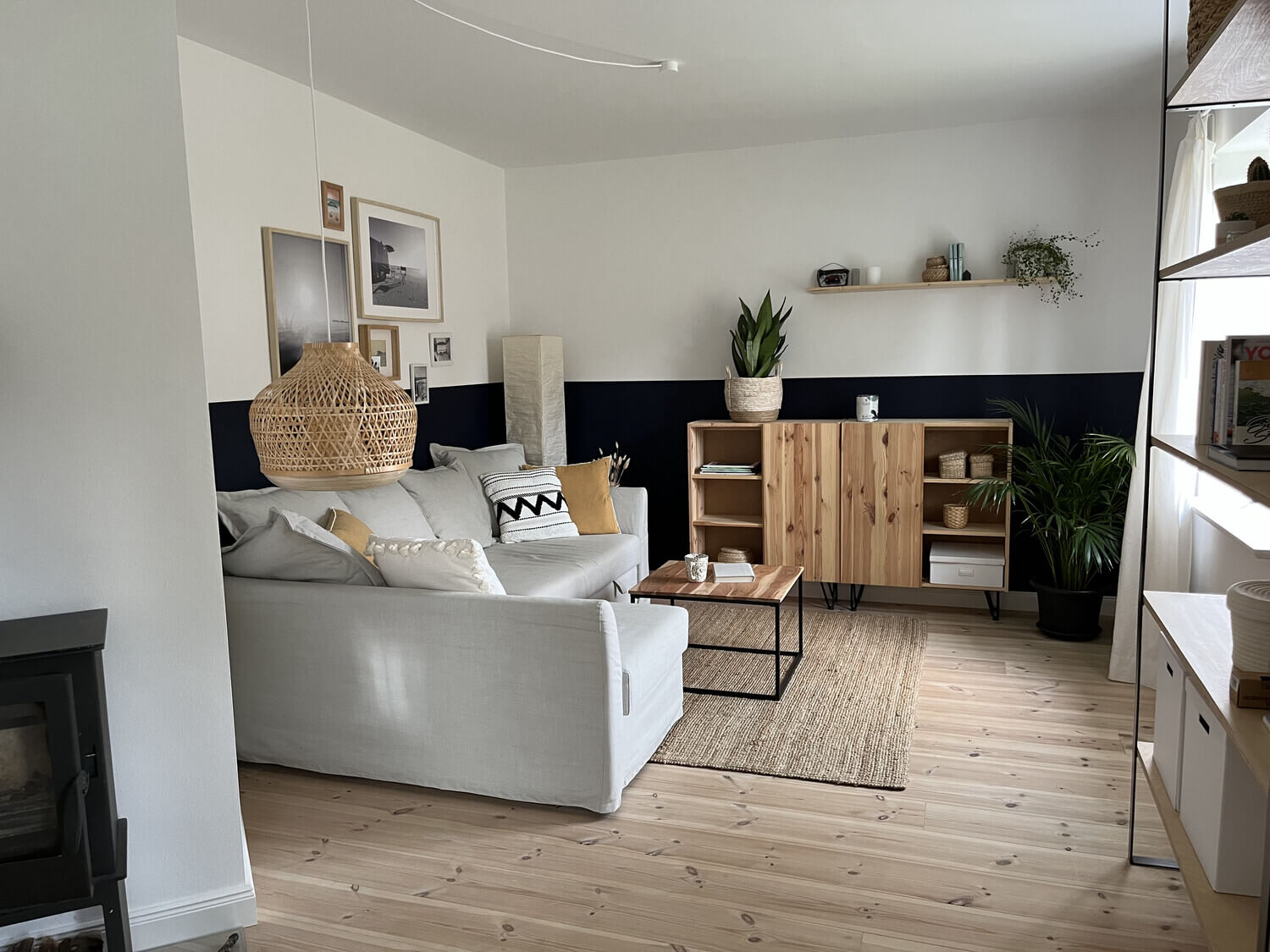
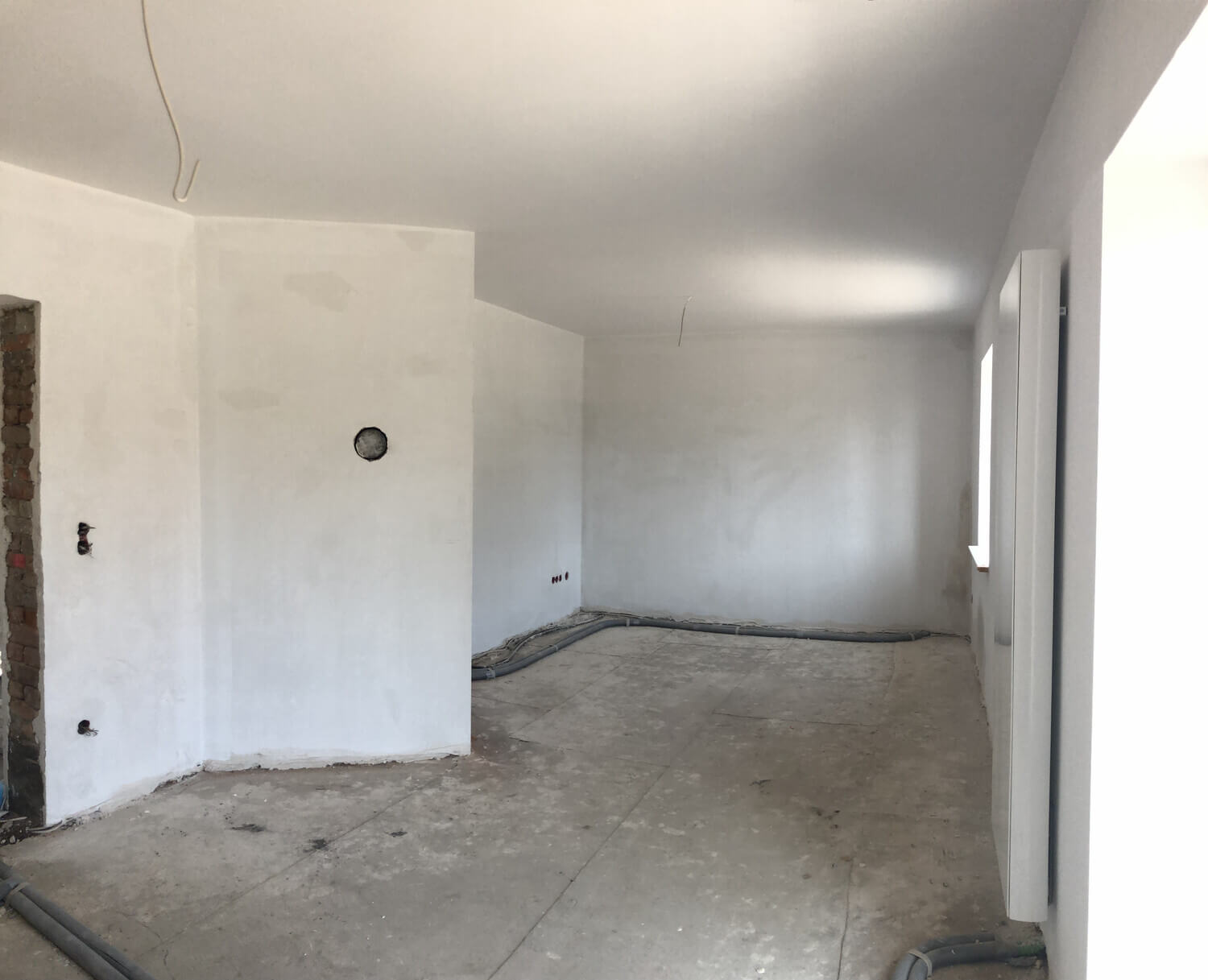
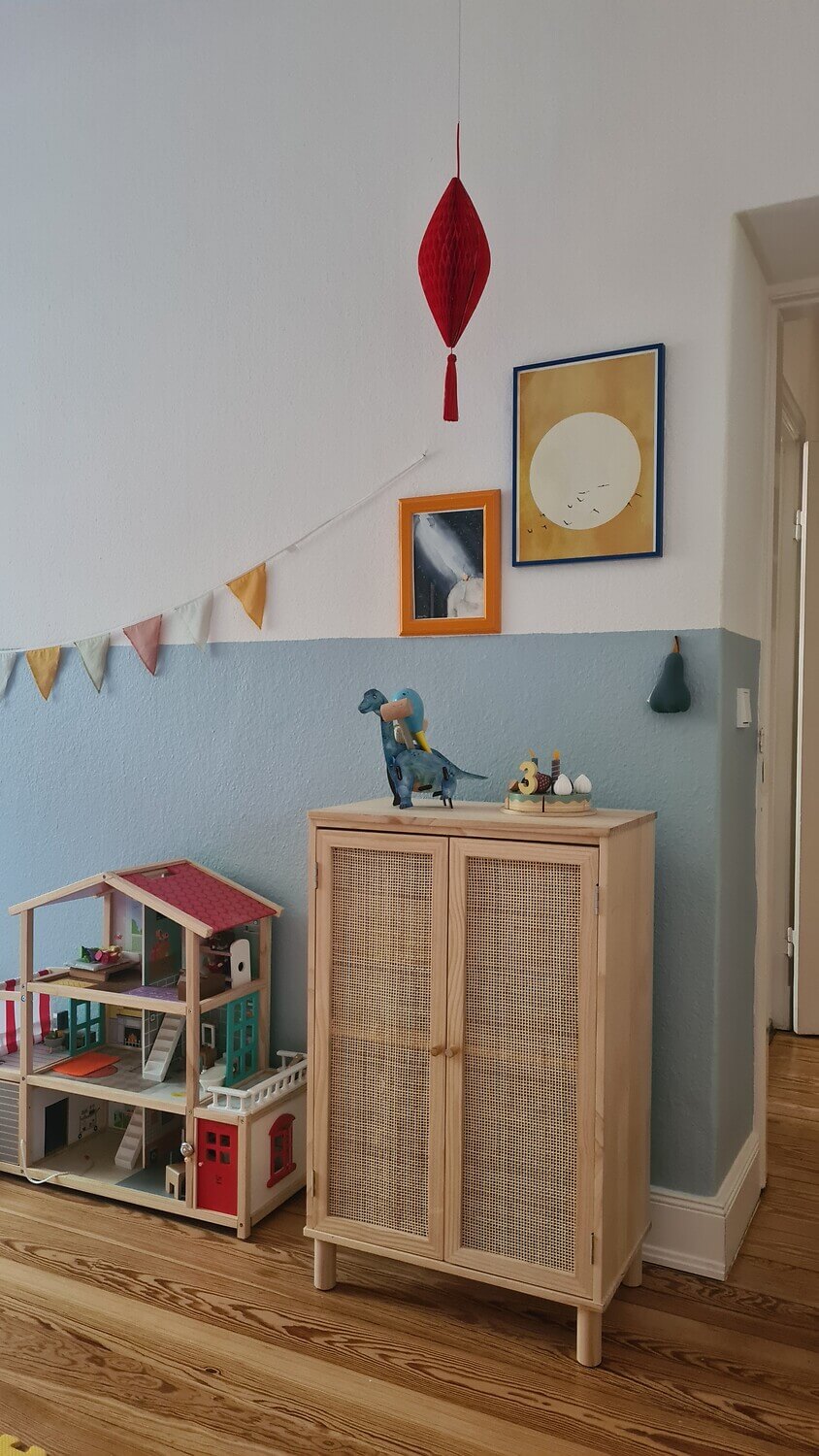
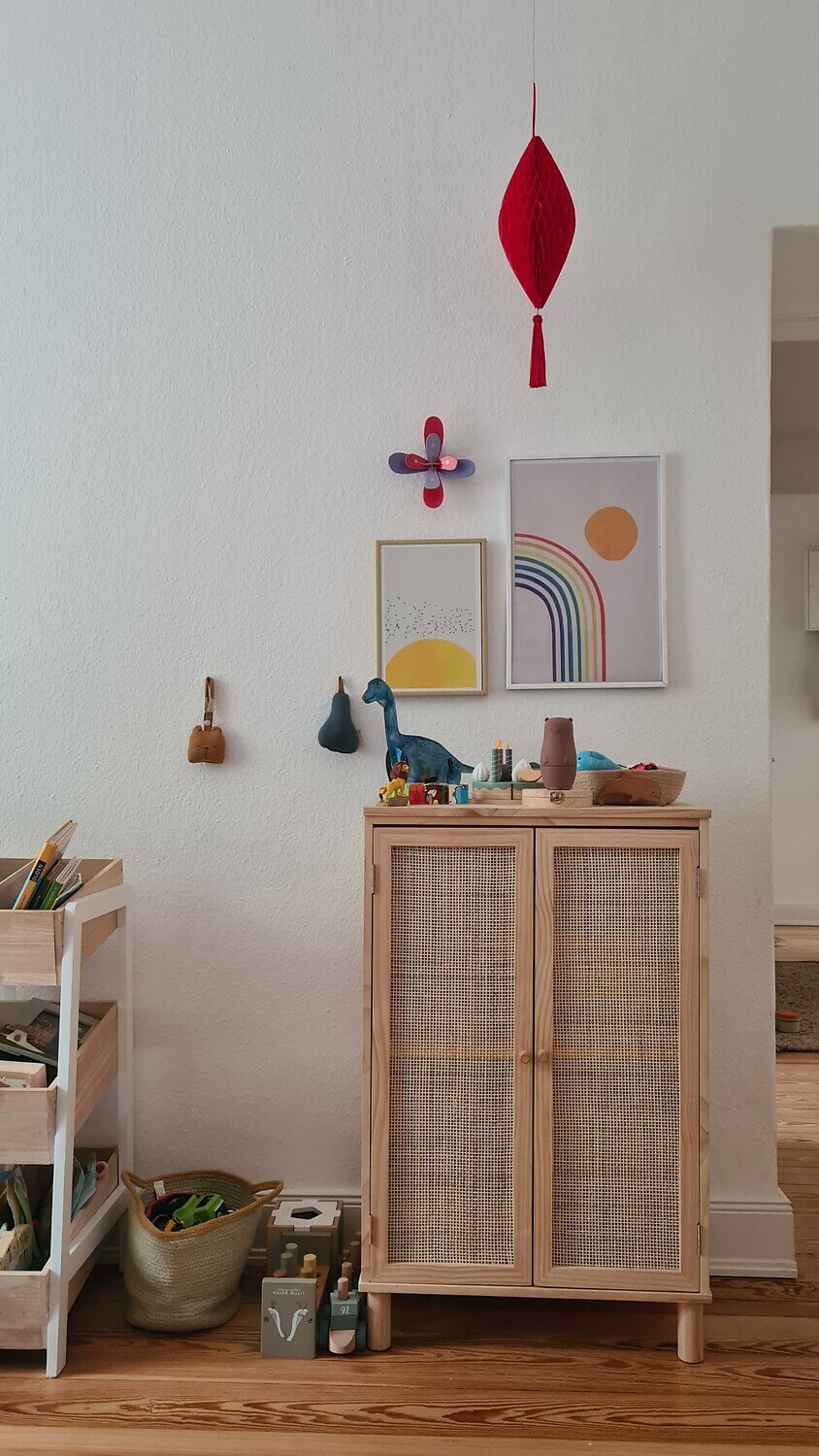
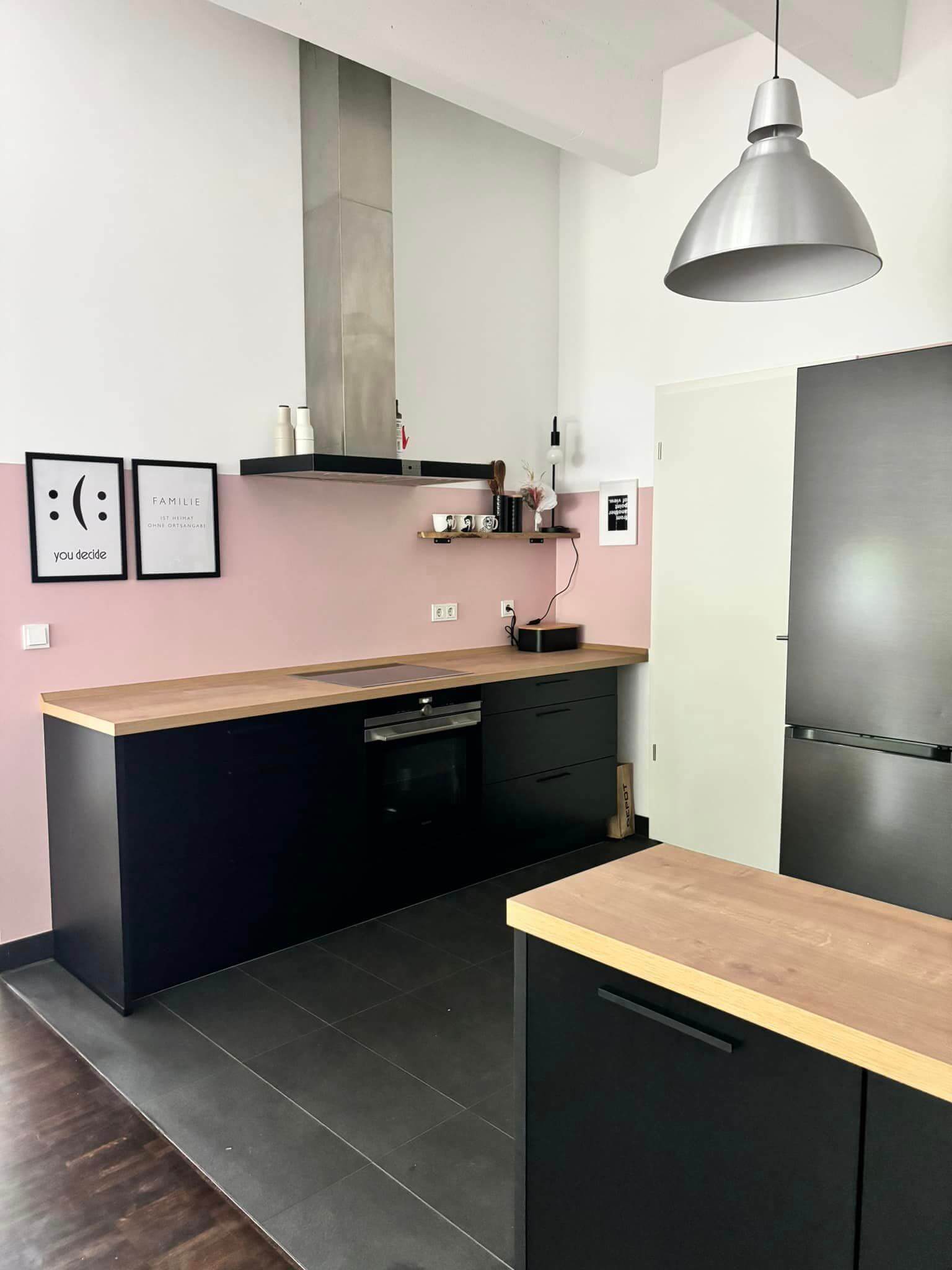
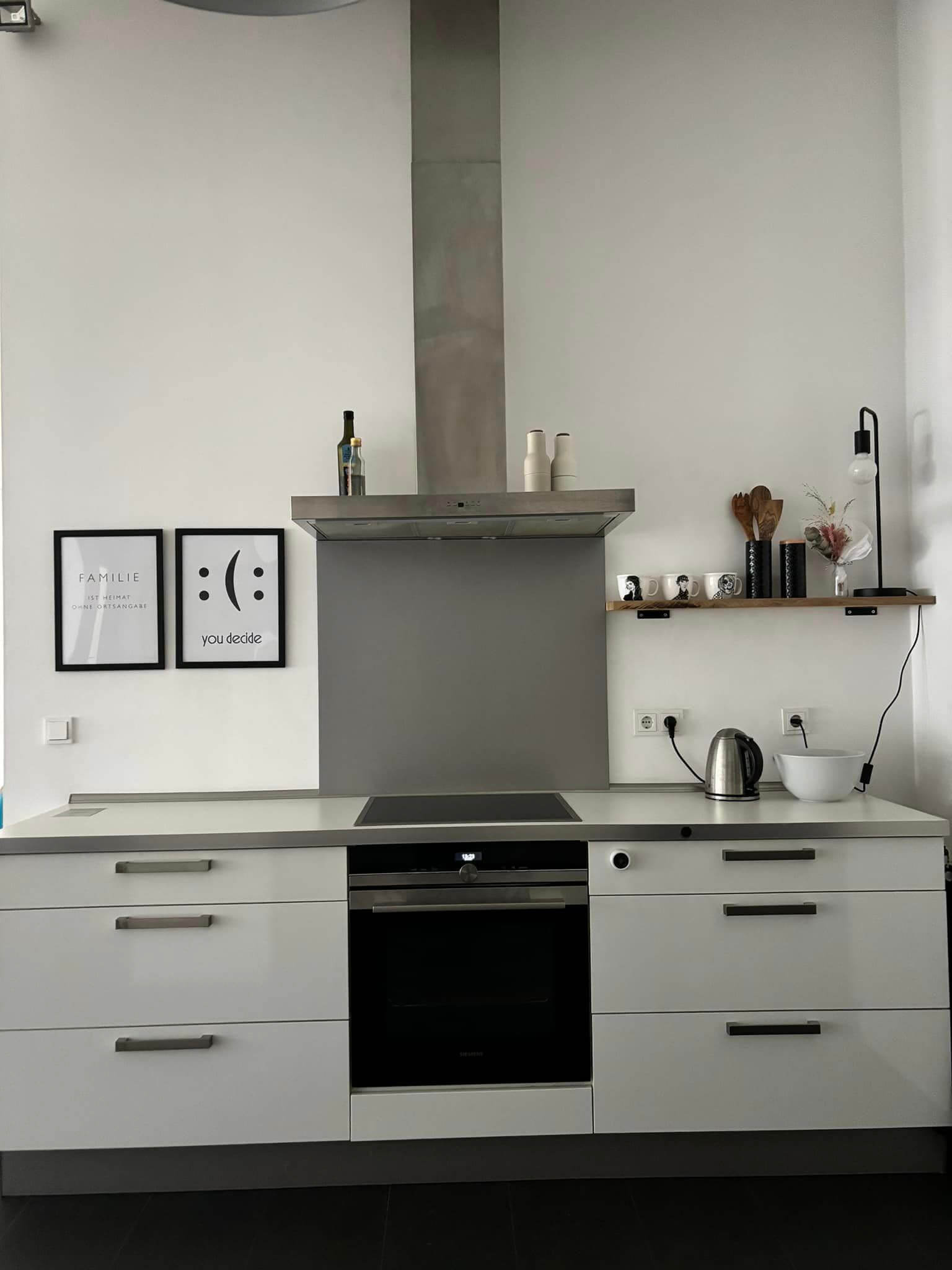
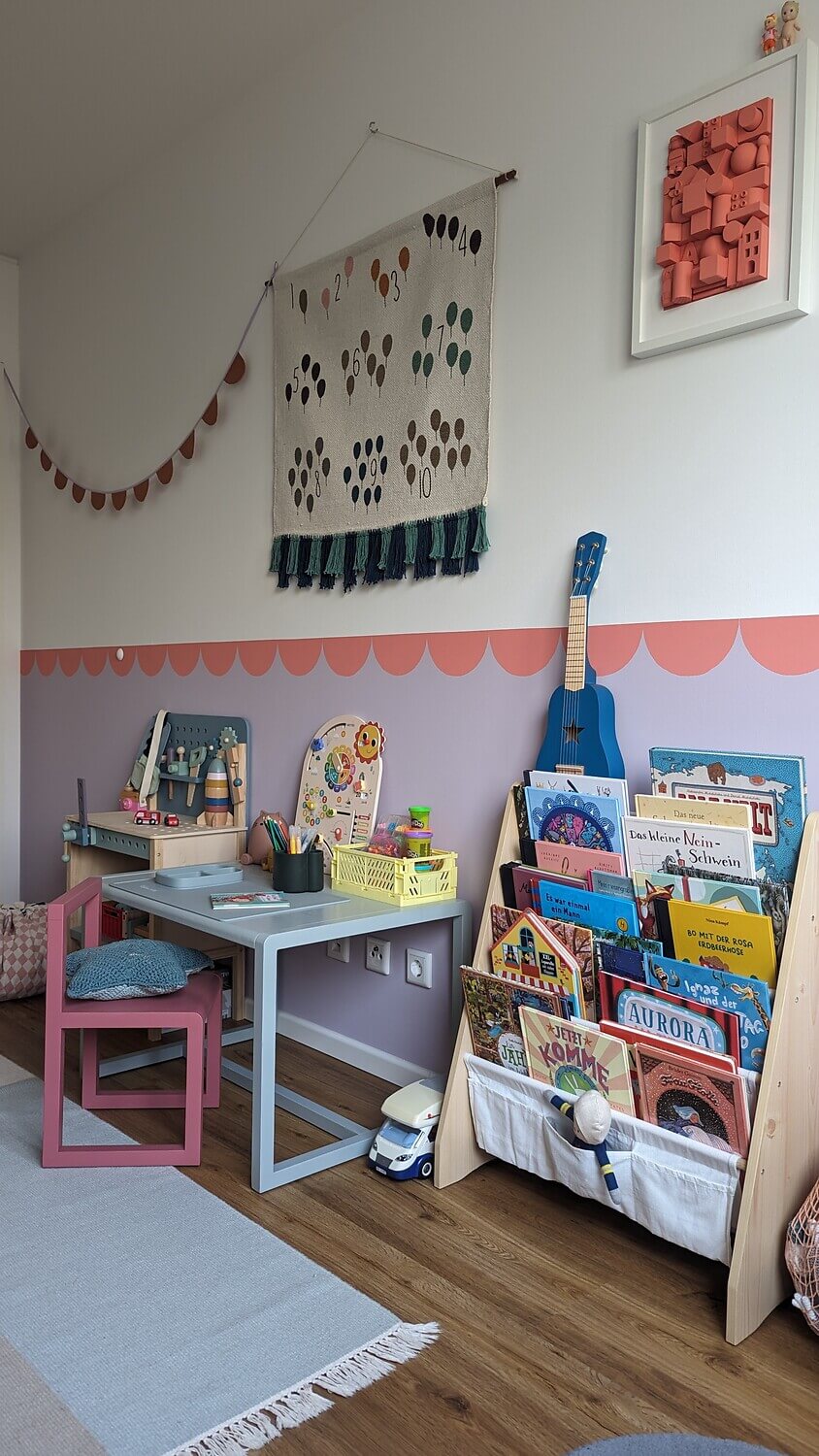
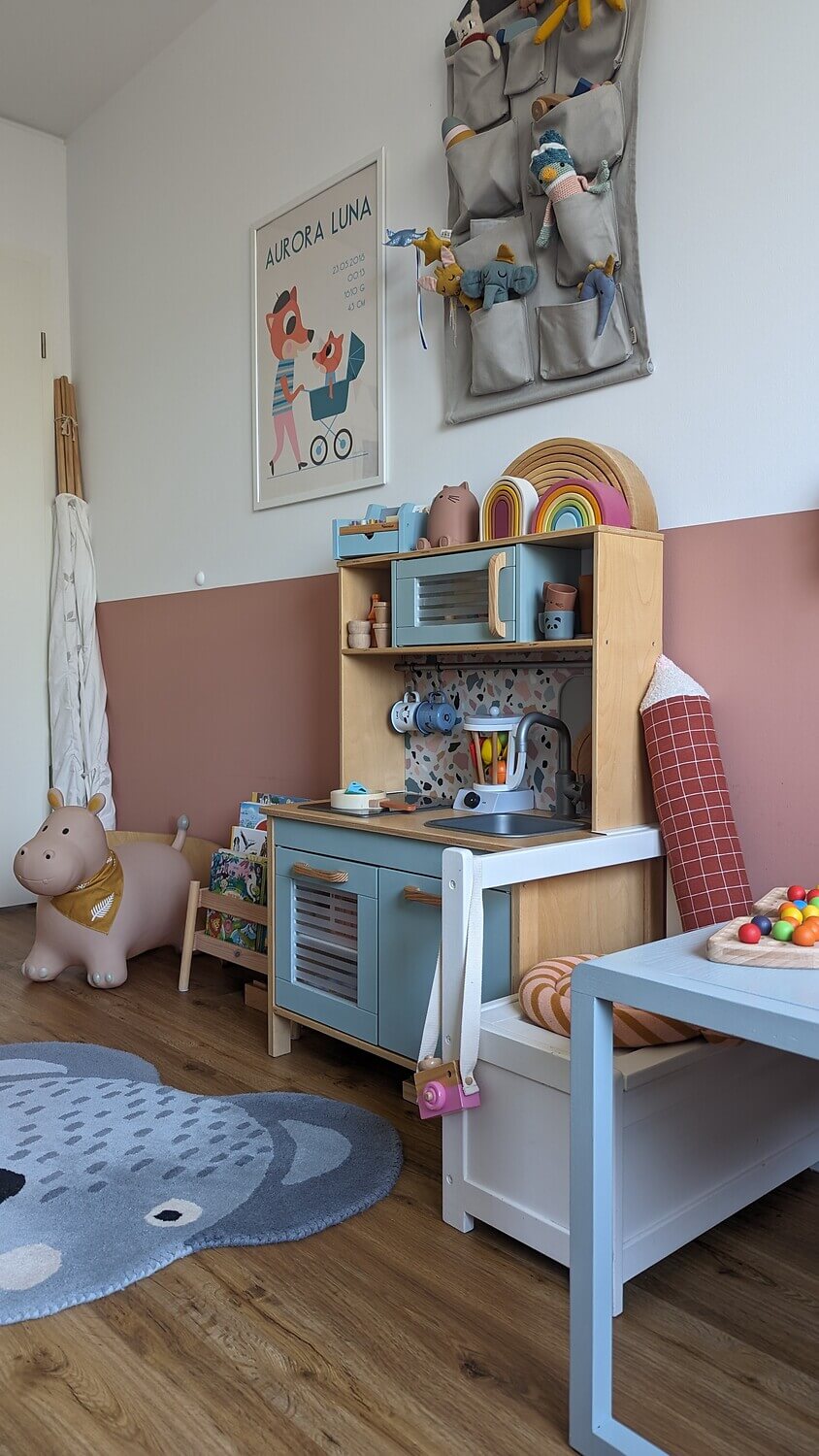
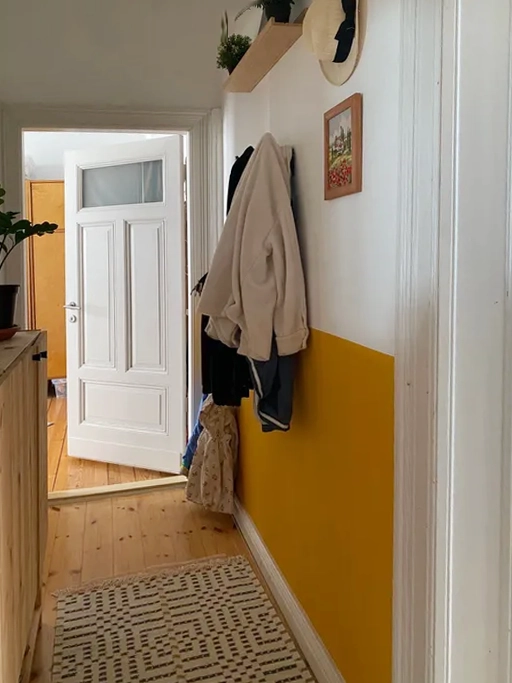
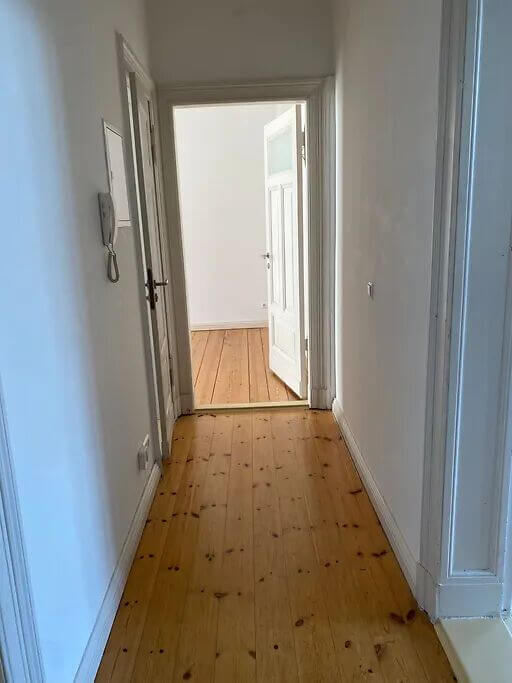
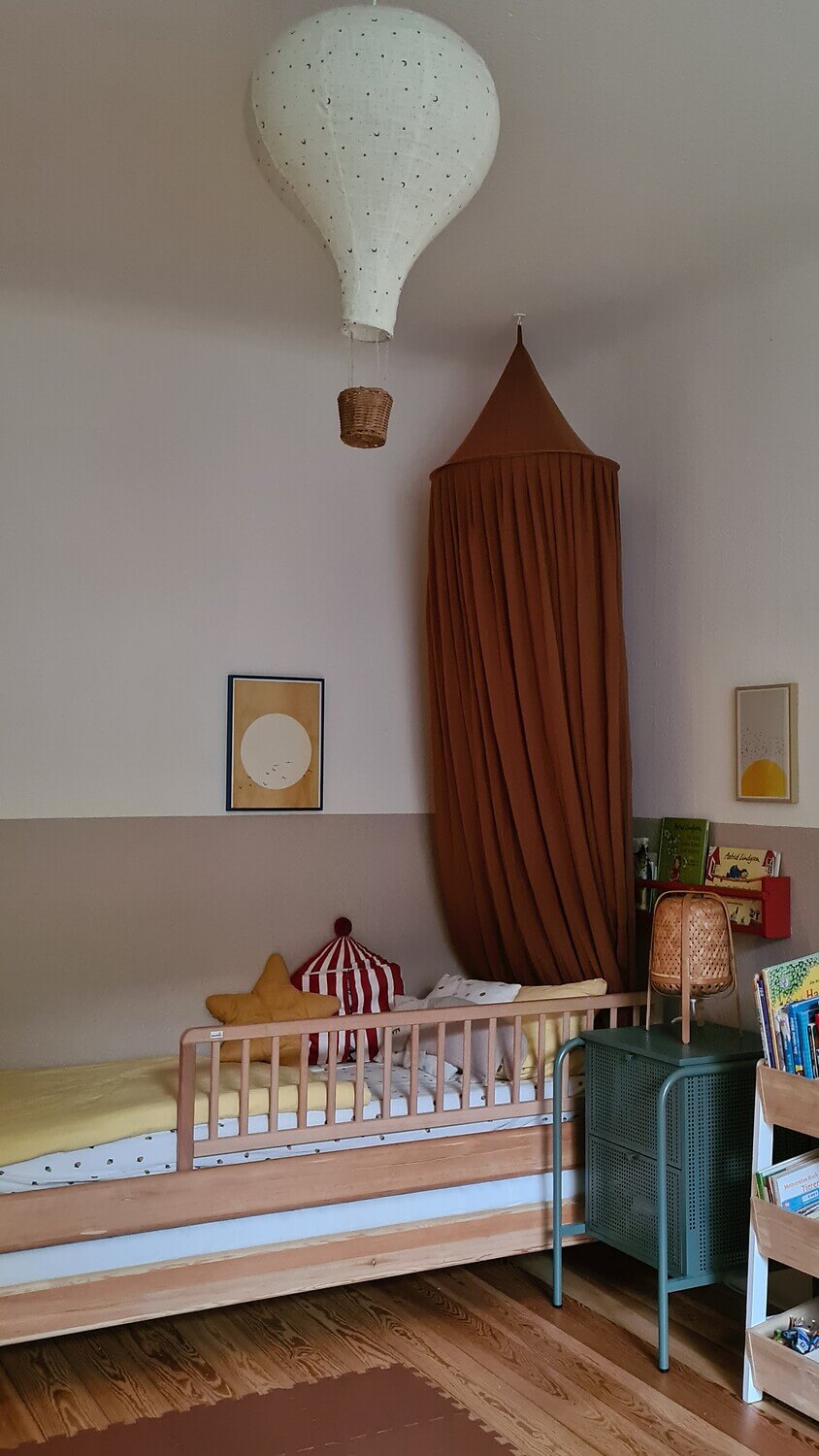
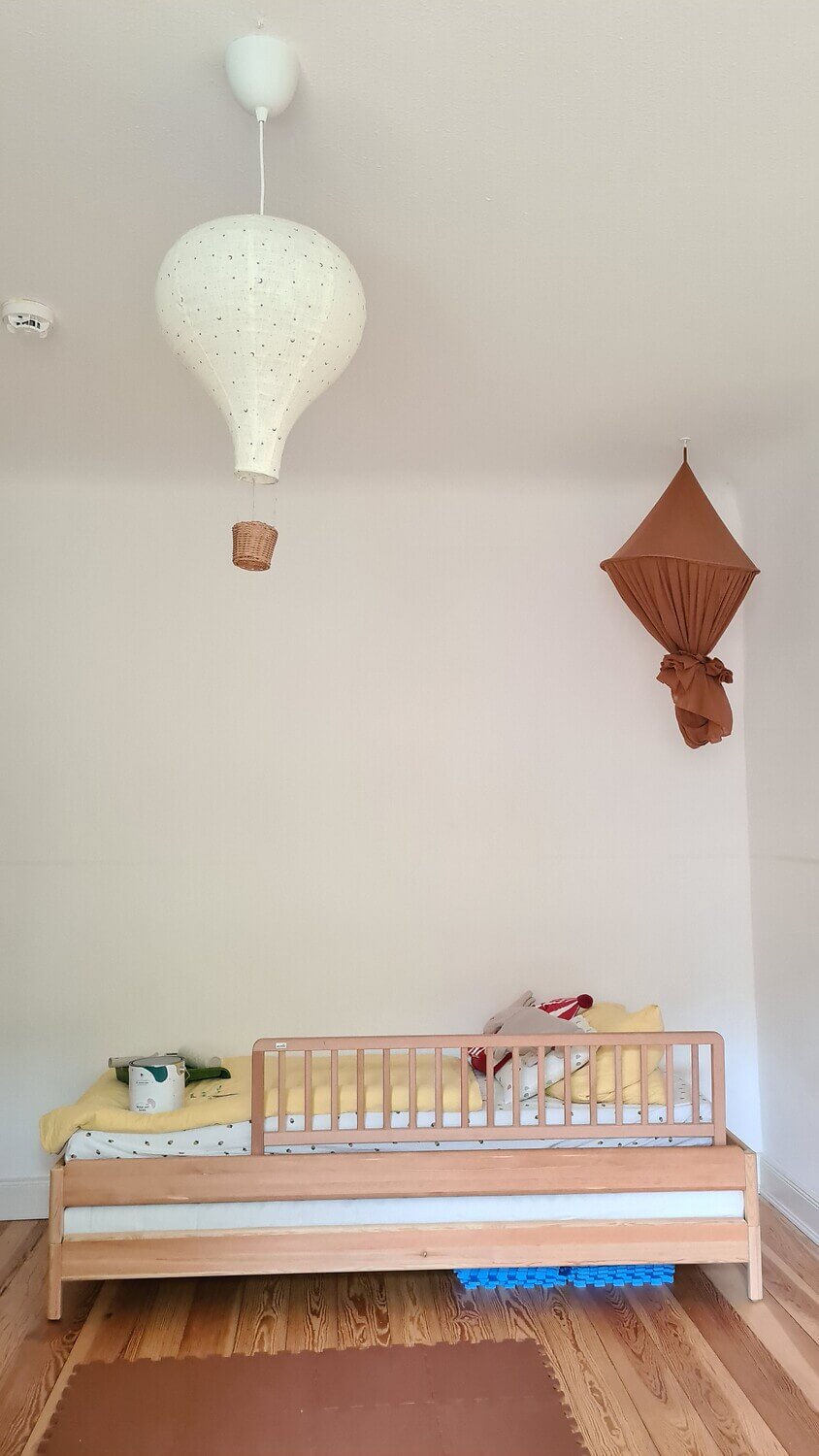
How a Half-Painted Wall Transforms Your Room
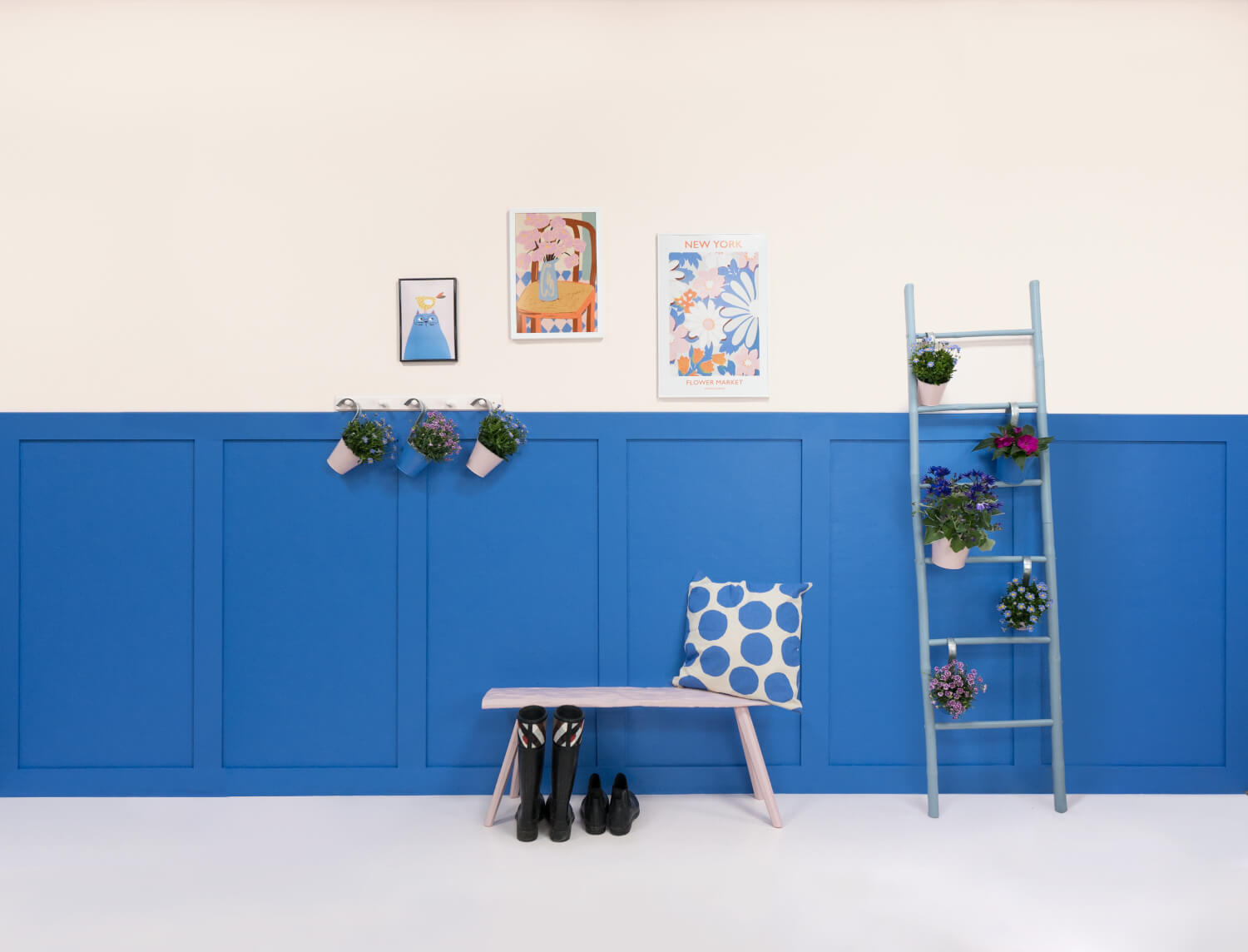
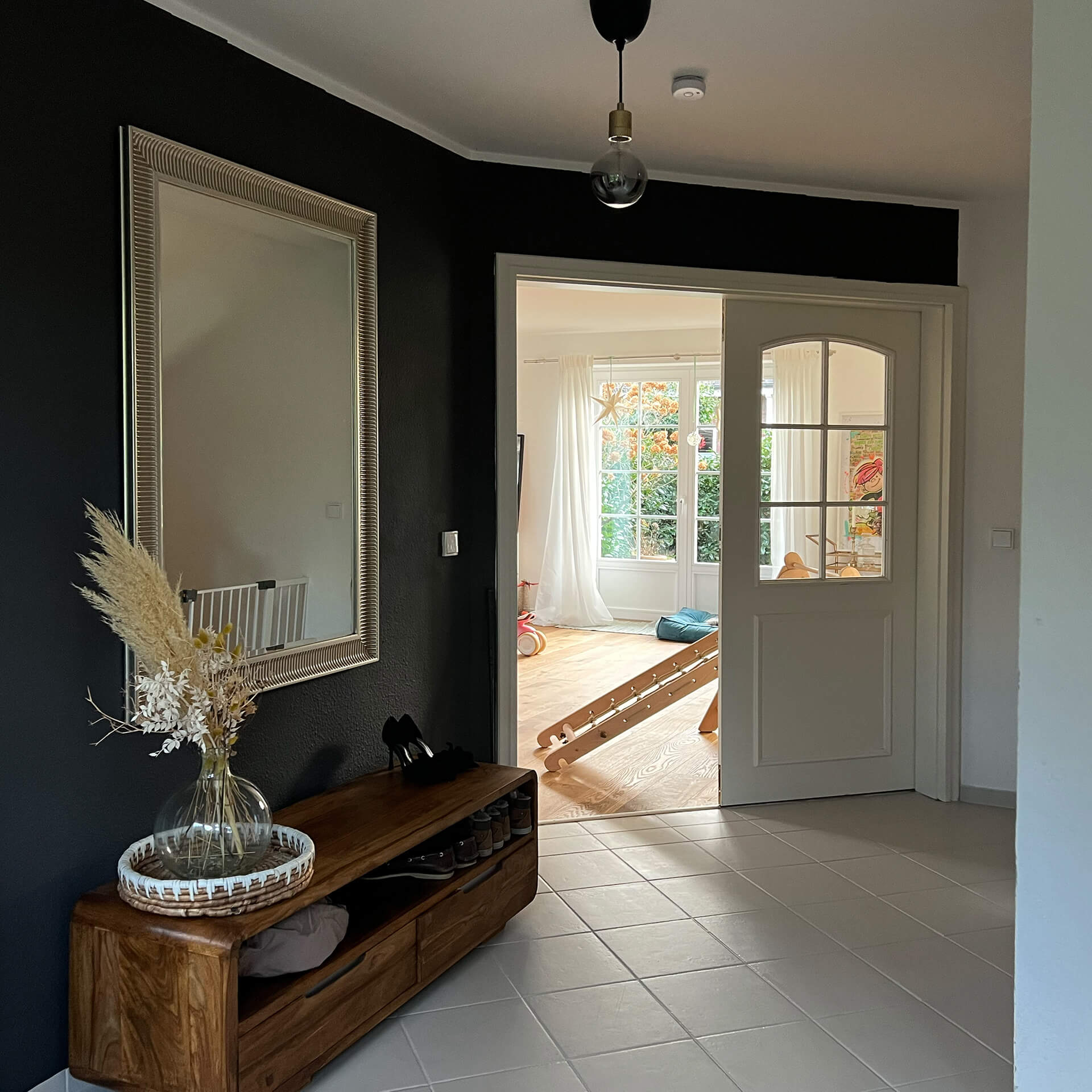
A horizontal line visually makes any room appear wider and more spacious. In the past, lower wall sections were often wood-panelled. Today, painting with two colours offers a cost-effective and impactful way to add interest to a room. By cleverly using different colours, you can highlight specific elements like your chest of drawers or seating area, making them stand out. For example, you can create a beautiful, cosy effect by painting the area around your sofa in a dark, calming shade.
There are many tips for combining different shades. The most popular combination involves a deeper, more intense colour on the lower section and a tinted white for the upper walls. This creates a perfect balance between colourful and white walls, making your room feel spacious and light. As white shades also come with different nuances, ensure your chosen white is tinted with pigments that harmonise with the lower shade. For the best effect, paint the ceiling in the same colour as the upper wall section.
It can also look incredibly chic to combine two shades of varying intensity from the same colour spectrum. For instance, paint a bold rose hue like Rose with Rosewood on the lower wall section, paired with a very delicate white with a hint of rosé, such as White with Powder, for the upper part. Alternatively, combine greys like our strong, warm Grey with Concrete on the bottom, with the subtle grey of Grey with Seasalt above it. This creates a cohesive room aesthetic that feels harmonious, rather than overly intense.
You can also choose to further highlight the horizontal line between the two shades. A stencil works beautifully for this, for example. Alternatively, a horizontally painted line in a contrasting colour can have a striking effect. We're sure you'll have plenty of ideas – and as always with MissPompadour, your creativity knows no bounds!
Painting walls halfway: A simple guide
Step 1: Choose your shades
Choose two well-matched shades. The darker shade should always go at the bottom. If you're unsure which shades will work best, order our colour cards or let our expert advisory team help you. You can reach us by phone, Live Chat, WhatsApp, and email.
Step 2: Divide your wall
First, you should determine the height where the horizontal line will separate the two shades. There's no exact recommendation for this, as it depends on your room's height. For standard rooms with a height of around 2.50 m, we recommend approximately one-quarter of the room's height. The line's height should also be somewhat influenced by the furniture that will be placed against the wall. For very high ceilings, you can apply the bottom colour up to about one-third of the room's height. In stairwells, too, the darker shade can be applied higher than in rooms with standard ceiling heights.
Step 3: Draw the border line
Using a spirit level and a soft pencil, draw a horizontal line on the wall.
Step 4: Paint the upper section
Always start at the top and work your way down. If desired, first paint the ceiling, then the upper wall area. Paint slightly over the desired edge. Note that a second coat is necessary for an intense colour effect. For large areas, use a paint roller, and for precise painting along the edges, it's best to use the fine MissPompadour brush. Allow the paint to dry thoroughly.
Step 5: Paint the lower section
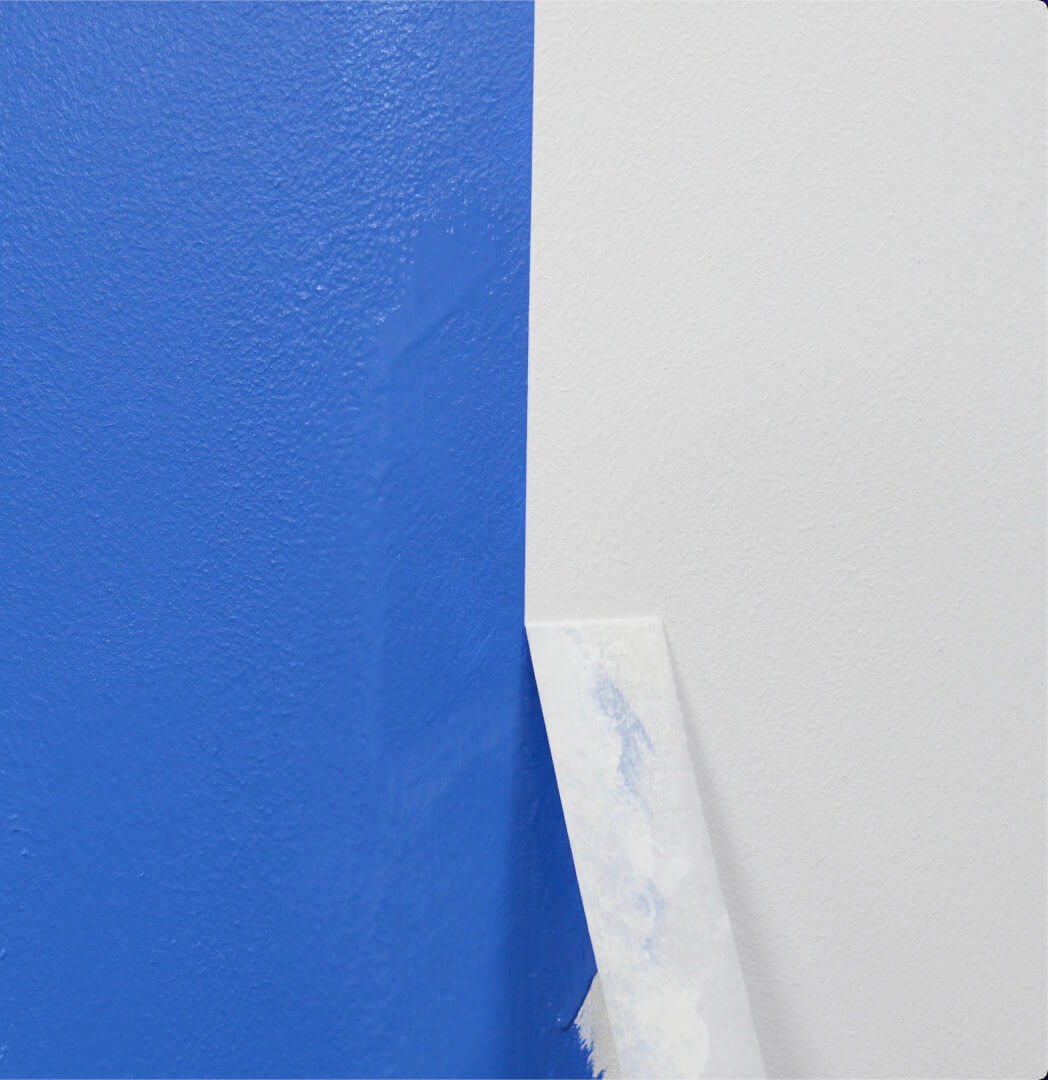
Carefully trace your border line. Apply your masking tape along this line and press it down firmly. Tape off precisely and pre-paint the tape and the edge with the shade of the upper wall section. Allow this edge to dry for a few hours. Afterwards, paint the lower wall area with the darker colour. Carefully peel off the masking tape while the paint is still wet – and you're done!
Paint walls in two colours: Ideas and tips for patterns
Stripes applied to the upper half of the wall, for example, where the lower and upper wall paint alternate, create a beautiful classic look. To do this, you can mask off the wall at the intervals to be painted and apply stencils to the upper half of the wall to create interesting effects. It is always important that the focus of the colour is on the lower area. You can find more ideas and details on this in our blog Painting walls with patterns
FAQs: Frequently asked questions
At what height should the second colour start?
The height of the horizontal wall division depends heavily on the height of the room in question. For normal room heights, assume a quarter for the lower wall section. For high rooms, you can paint about a third of the ceiling height with the lower colour and the rest above it in the second colour shade. However, these are only guidelines and you should also take the height of the windows and furniture into consideration.
Why should you paint a wall halfway up?
- A horizontal room division makes rooms appear wider and more spacious. Despite the intense colour scheme in the lower part of the wall, the room will not appear dark if you choose a light-coloured paint for the upper half of the wall.
- In addition, any damage or soiling can be quickly painted over without having to work on the entire room. This type of wall design is therefore particularly recommended for bathrooms, corridors and stairwells.
- By painting the lower part of the wall in an intense colour, the part of the wall that is subject to the most wear and tear often becomes less susceptible to soiling.
- Rooms decorated in this way also have a cosy and somewhat nostalgic feel. This creates a cosy atmosphere, especially in children's rooms and bedrooms.
Have you finished reading?
Questions ?
We're here to help
We'll help you anytime, via Phone (Mo-Fr 09-18, Sa until 16 Uhr), via WhatsApp or directly via our Contact Form.