Painting Windows: How to Do it
10 min reading time
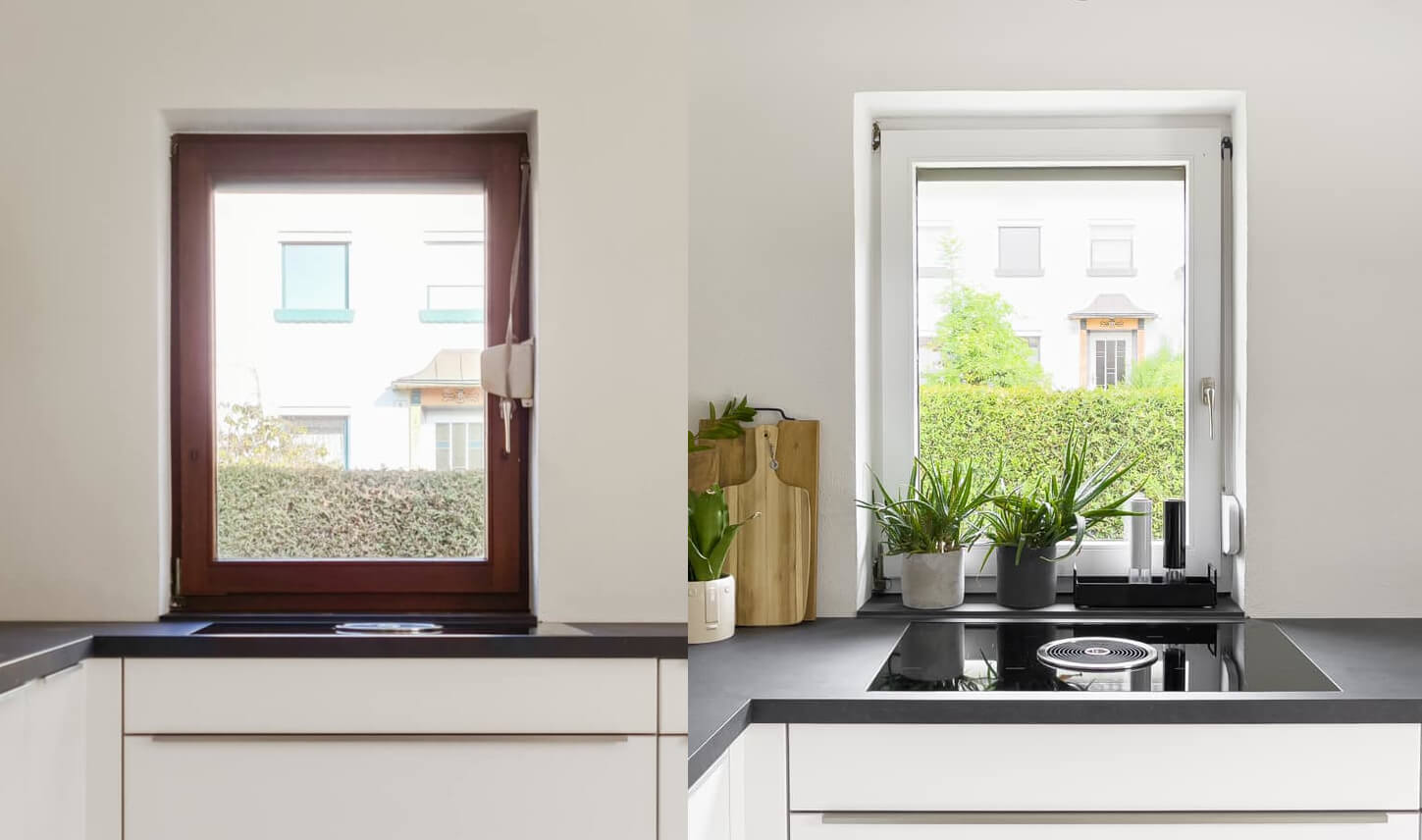
Looking to transform the interior and exterior of your home? Painting your window frames is one of the easiest ways to create a big impact. Bring a new look to your home with a lick of paint! We’ll show you how to paint wooden windows quickly and easily.
If you’re painting plastic window frames or the window sill, you’ll find the relevant instructions here:
Table of Contents

Windows are like eyes. They’re how you look out into the world. They can smile at you. But they can also look rather sad – especially if you’ve neglected them. Make them smile again!
With a fresh coat of paint, the rooms and façade of your house will become friendlier, more inviting, and cosier in no time. Even the painted windows themselves will thank you for it. They’ll last longer and provide better insulation. That way, you’ll save money.
In this ‘How-to’ guide, we’ll show you how to sand and paint wooden windows. You can find out how to paint your plastic window frames in a separate tutorial. And whilst you’re at it, why not give the front door a lick of paint too? You’ll find some useful tips for this here.
Just like plastic windows, you can also paint chairs, tables, and other plastic home accessories. We’ll explain how to do this in our ‘How-to’ guide on painting plastic surfaces.
Ideas for varnishing window frames from the MissPompadour Painting community
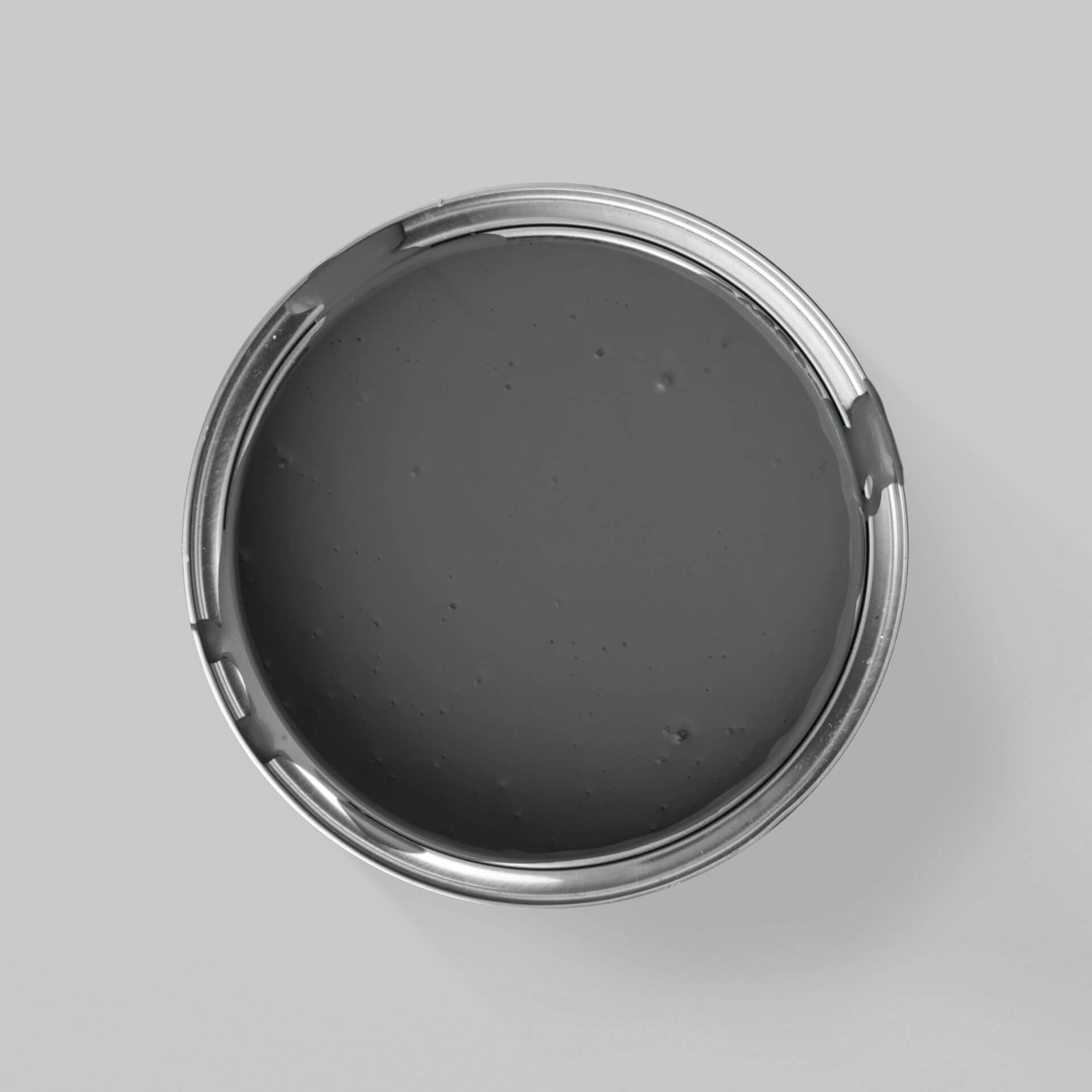
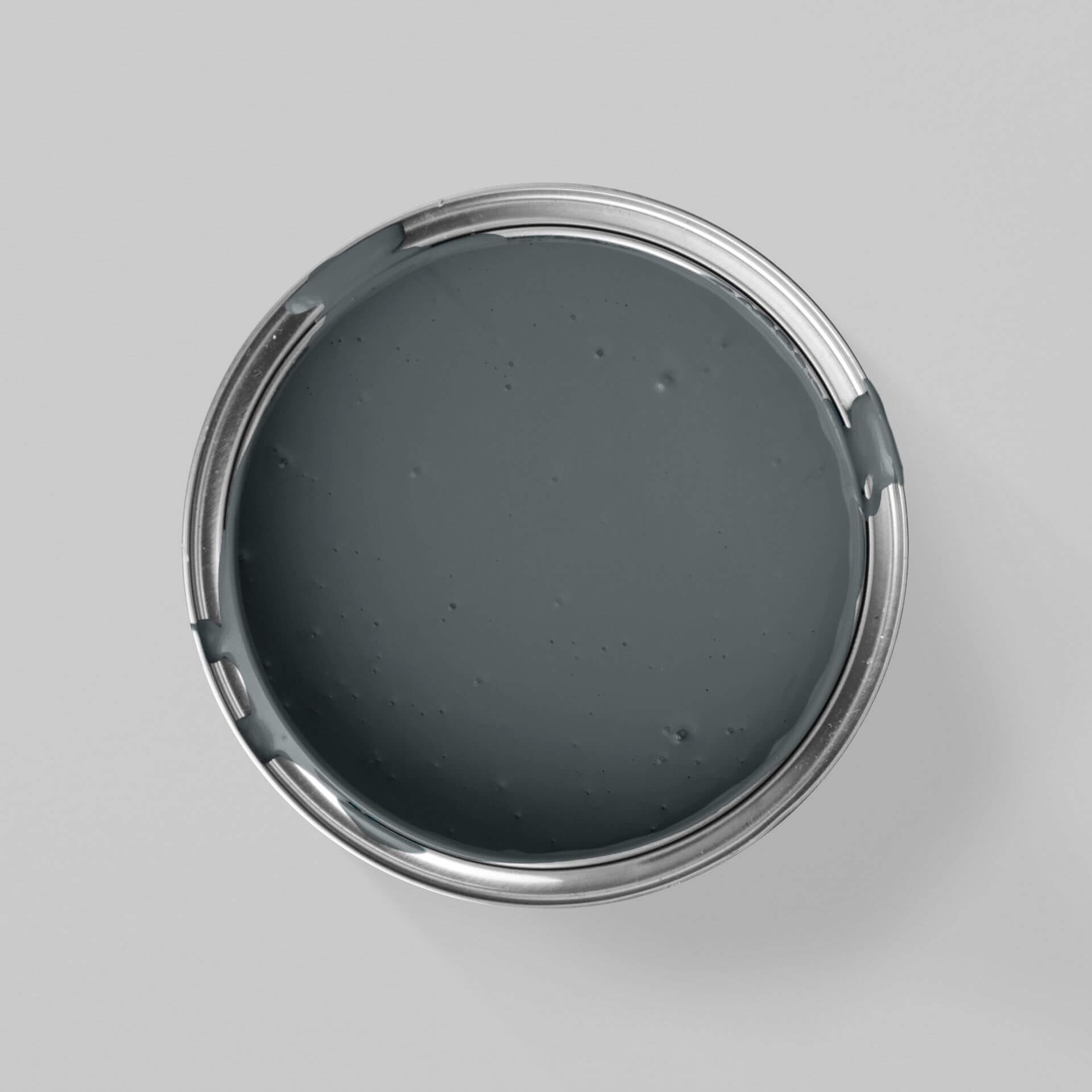
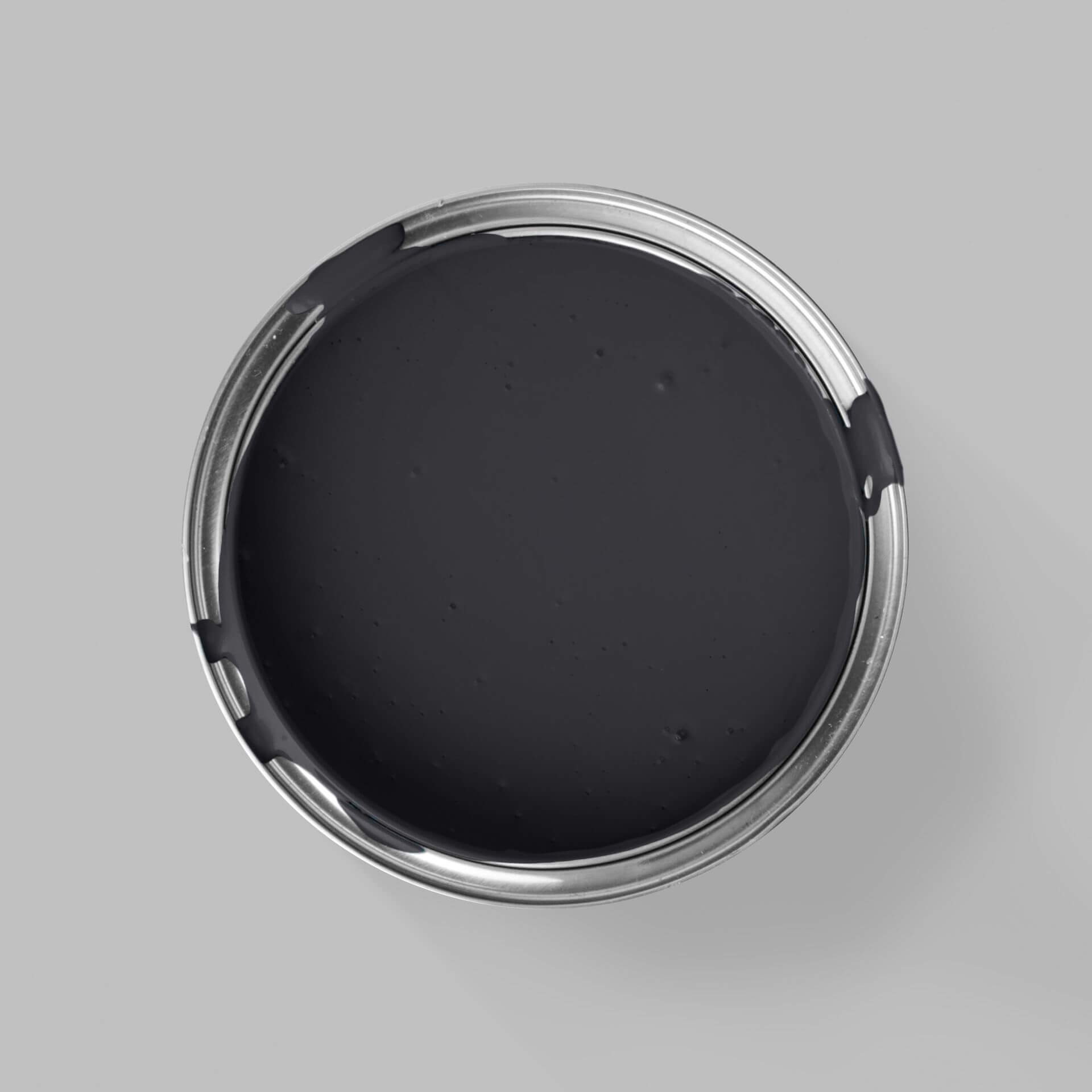
Frames made of dark natural wood are something from the 1970s and 1980s. Today, it has a visual heaviness. It looks much lighter and still classic if you paint the windows white. But painting wooden windows white on the inside is just one of many options. A classy black with velvet goes perfectly with the industrial style. A subtle shade of blue such as MissPompadour Blue with Cloud can look good in the bathroom. A nostalgic shabby look suits the country house style. With different colour shades for the window frames, you can set different mood accents in the living room than in the bedroom or kitchen.
But feel free to play with the colours on the outside too. You can also paint brown wooden windows white here. A dark blue like Blue with Night instead of neutral white, a soft Green with Ocean from MissPompadour instead of natural wood will give your house a whole new look. So, let's get to work on the make-up of your façade!
Pro tip: Repainting windows isn’t just about the frames.
Why not paint the window sill at the same time? In the same shade or a complementary colour. Or how about an oiled natural wood board? This instantly adds a touch of warmth and cosiness to the room.
Preparation: How to choose the right paint for your wooden window
Are you painting the windows from the inside or the outside?
If you’re painting the windows from the outside, the paint should offer the highest possible protection against moisture. The coat of paint should completely cover the wood and must be free from any damage. Moisture penetrates through cracks, seeps into the wood beneath the paint and cannot escape. In the worst-case scenario, the wood will rot beneath the paint.
You’ll achieve great results with the hard-wearingEasy Eggshell! It’s ideal for painting window frames on the outside. Be inspired by the wide range of stunning colours. You can easily paint wooden windows inside and out using the same high-quality paint. This is because our outdoor-suitable paints are particularly robust, yet have minimal emissions in accordance with VdL-RL 01.
Pro tip: You can also use these paints on metal window frames. Before doing so, you should remove any rust from the metal frame, if necessary, and prime it with To Bond & Block by MissPompadour.
What effect do you want to achieve?
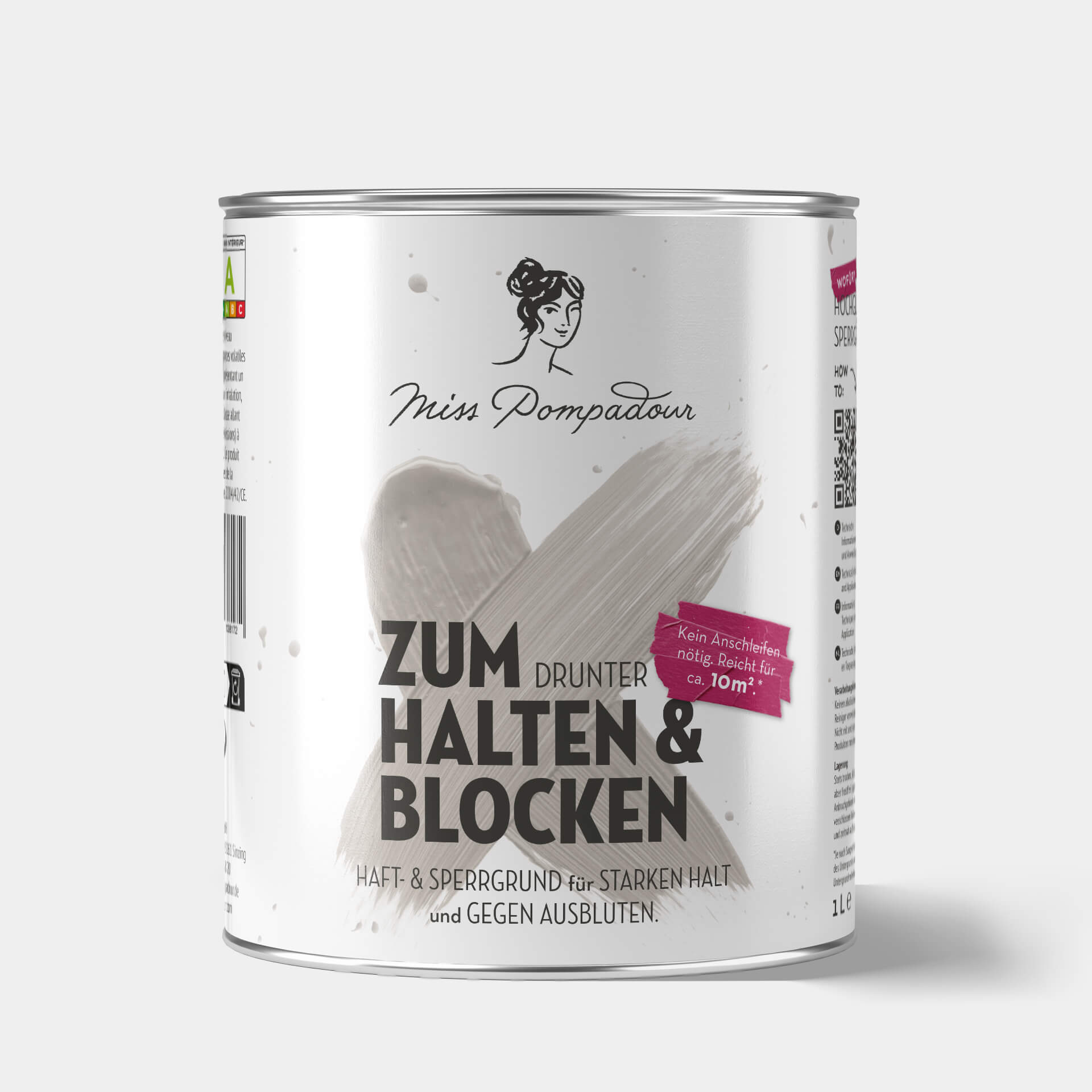
- Covering effect: Dark wooden frames sometimes release substances that react with the paint. When varnished with light colours, this leads to unsightly, yellowish discolouration. To prevent this bleeding, prime with To Bond & Block - MissPompadour Primer. If you are using dark colours, this step is not absolutely necessary.
- Matt effect: The completely matt varnishes are less hard-wearing than the glossy ones. They are therefore not suitable for exterior paints.
- Protective effect: The silk matt varnishes are the most hard-wearing. Our soft silk matt Easy Eggshell is the best choice !
How To Paint Windows Properly: Your MissPompadour Guide
Step 1: Sanding
If the old paint is flaking off, sand the windows with sandpaper or sanding fleece until the surface is even. If the old coat of paint is still intact, you can paint the windows without sanding them.
Step 2: Cleaning
As with all painting jobs, start by cleaning the window frames thoroughly. The best choice is ‘To Clean’ by MissPompadour. This cleaner is powerful yet gentle. It not only removes dirt and dust but also thoroughly degreases the wood. This is important to ensure the paint adheres properly.
Step 3: Masking
Now carefully mask off the window panes, handles and seals. Our handy washi tape reliably prevents paint from seeping under the tape. It adheres securely even to very smooth surfaces and can be removed easily afterwards. Always peel off the tape straight after painting, whilst the paint is still wet. This prevents dried paint from being torn off when you remove the tape. Then reapply the tape for the next coat.
Step 4: Primer
If you’re planning to paint dark frames, such as mahogany windows, we always recommend applying a stain block first. This light-coloured primer creates the perfect base if you want to paint the windows white – or indeed with other light-coloured paints. The easiest way to do this is with To Bond & Block by MissPompadour.
Step 5: Painting
You can now repaint the windows with the paint of your choice. Leave the paint to dry for four to six hours. You can then apply a second coat and, if necessary, further coats. Pro tip: If you’re painting wooden roof windows, apply the paint as thinly as possible on the inside and apply it more often if necessary. Too much paint on the brush or roller will drip straight down.
Step 6: Removing the masking tape
It’s best to remove the masking tape whilst the paint is still wet. If you’ve missed this window, you can cut through the elastic paint film with a sharp craft knife. Pro tip: Place the ruler against the edge of the masking tape and cut along the ruler with the craft knife. This will give you a clean edge.
Step 7: Allow to cure
The varnish must be allowed to cure thoroughly after you’ve repainted the wooden windows. This takes 10–14 days. It’s best to leave the window slightly open during this time. If that’s not possible, you can also dust the window rebate with a little baby powder. This will prevent the window frame from sticking when you close it.
FAQ: Frequently asked questions about painting windows
Drying time: How long should I let the window frames dry?
How often do windows need to be painted from the outside?
The weather, the type of wood and also the quality of the varnish have a decisive influence on how often you have to paint wooden windows. As a rule of thumb, you can use 5 years. If in doubt, it is better to varnish the window frames too early than too late.
These are the accessories you need for painting the old windows
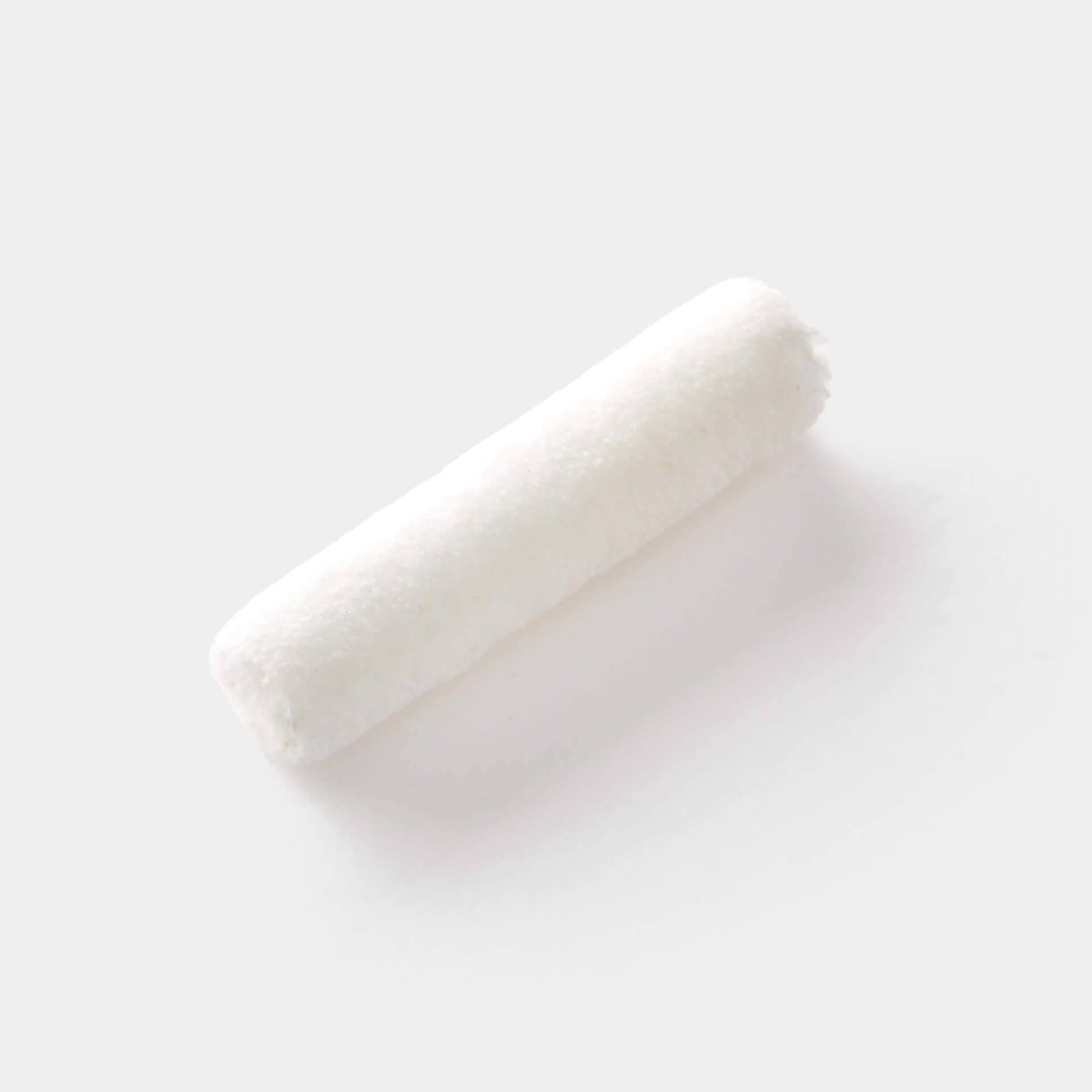
- varnish roller: Narrow varnish rollers are ideal for window frames. They give you a nice even coat of paint.
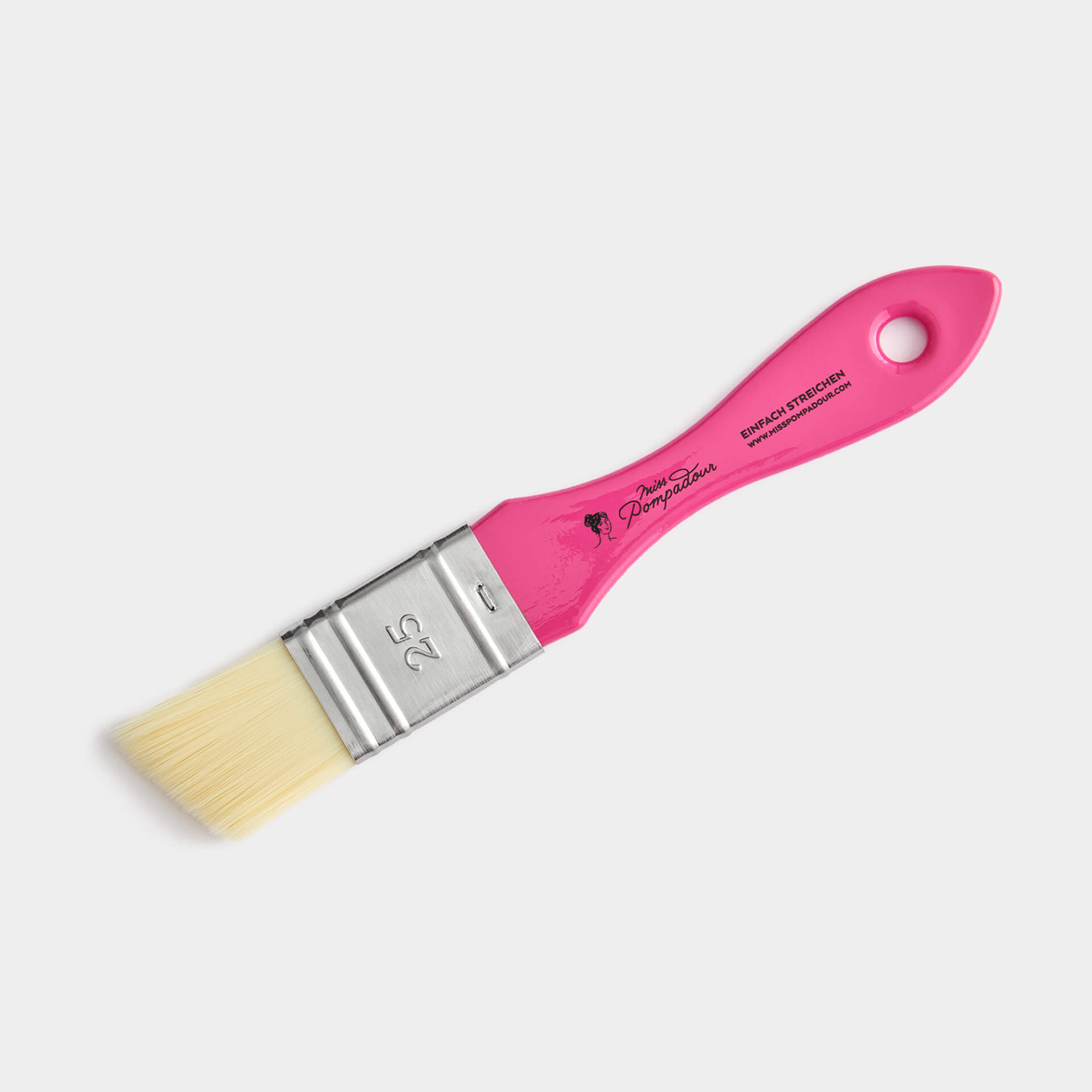
- Brush: You can also achieve good results when painting windows with the MissPompadour brush in 25 mm width.
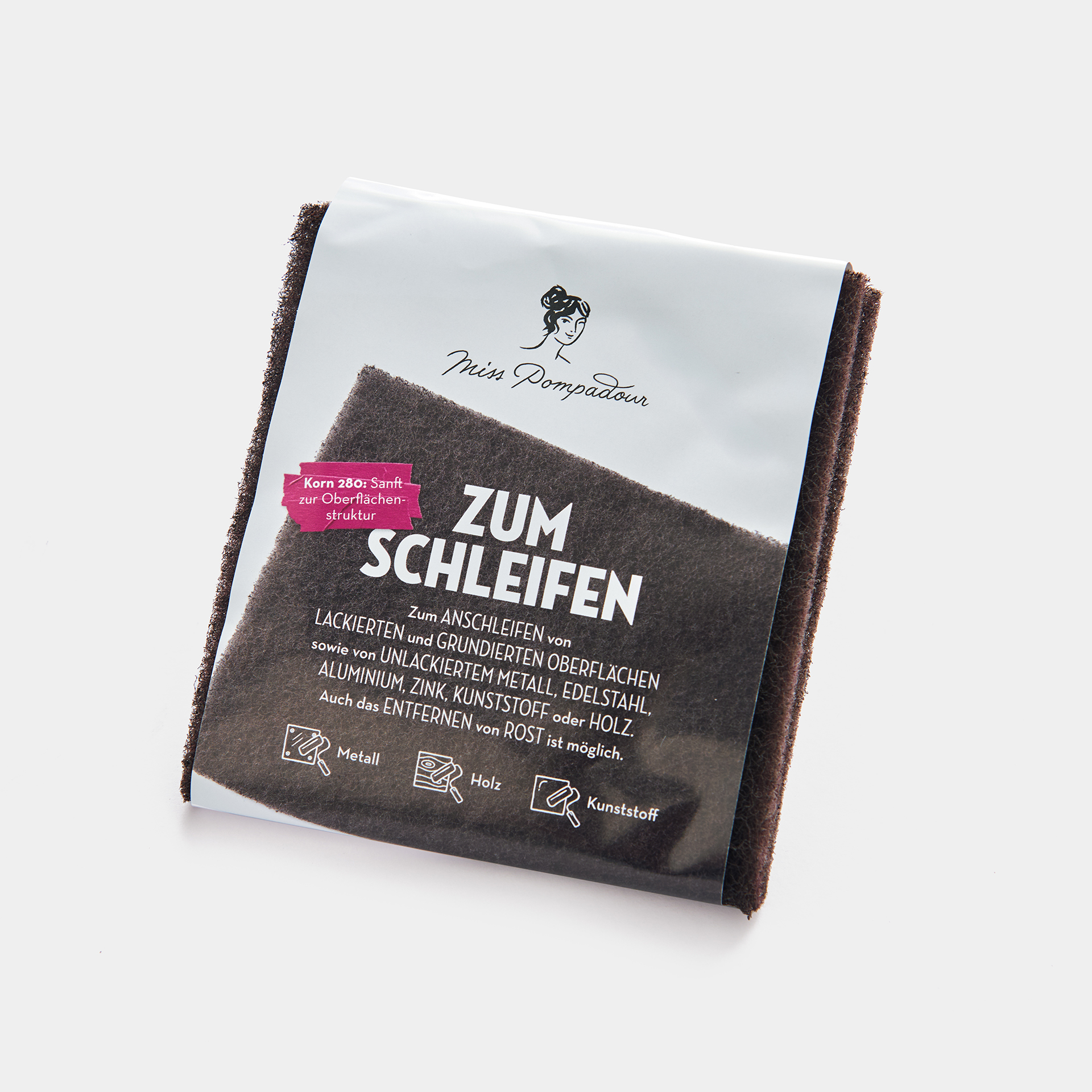
- Sanding Pad: For sanding you need medium grit sandpaper or the MissPompadour Sanding Pad To Sand. It is gentle on the wood of your window frames and effectively removes old varnish or stain residues.



Questions ?
We're here to help
We'll help you anytime, via Phone (Mo-Fr 09-18, Sa until 16 Uhr), via WhatsApp or directly via our Contact Form.