Wall Primer & Topcoat
Wall Primer & Topcoat
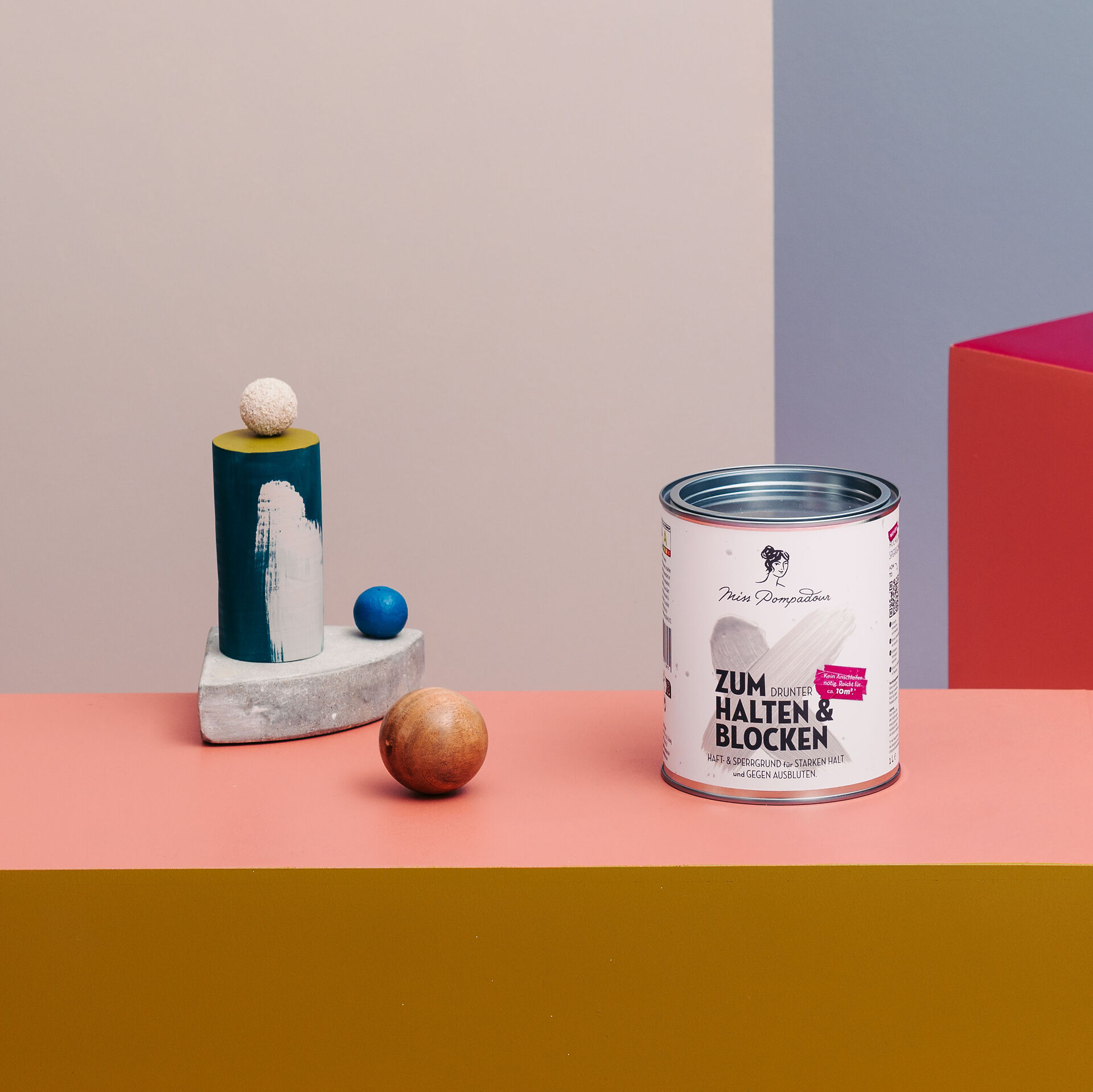
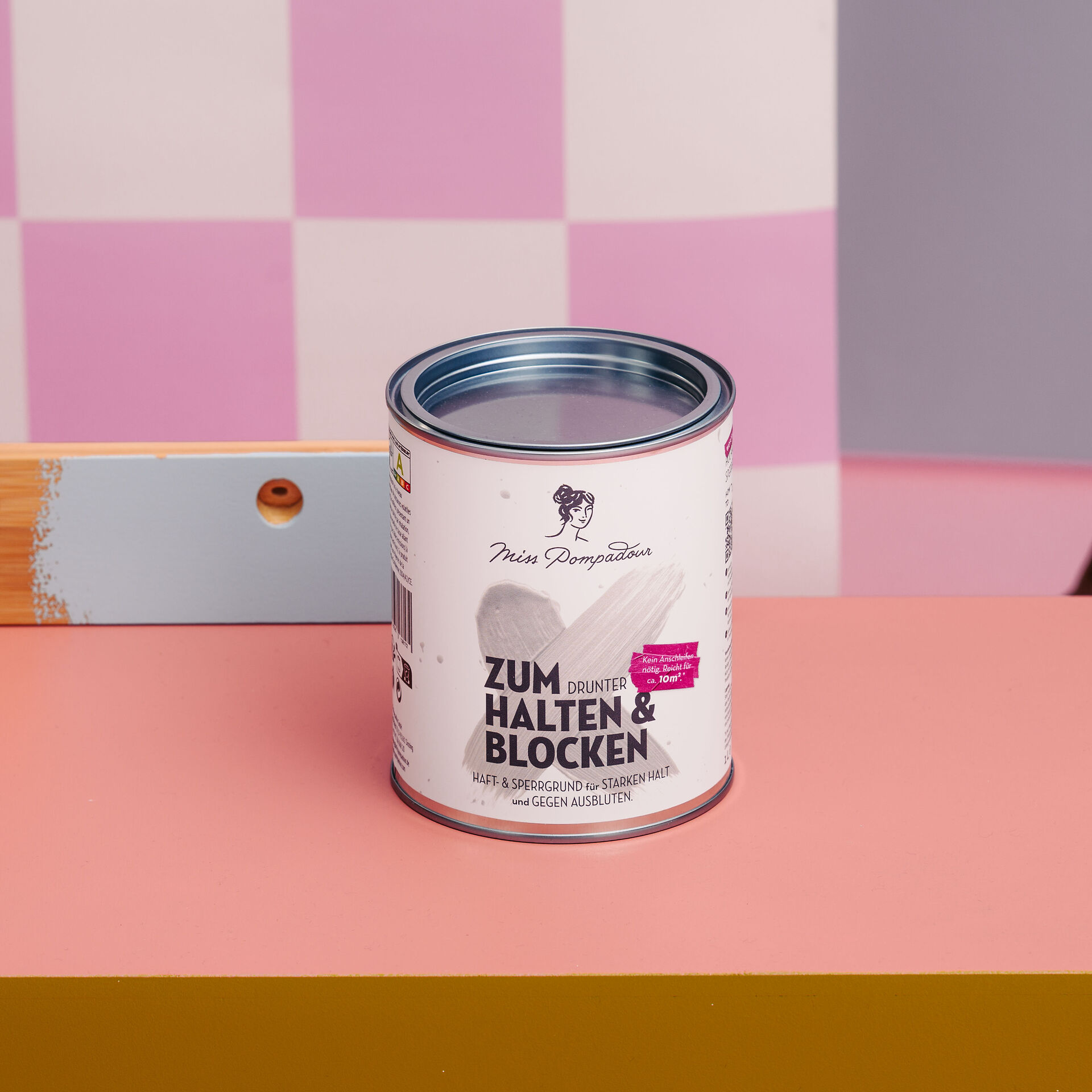
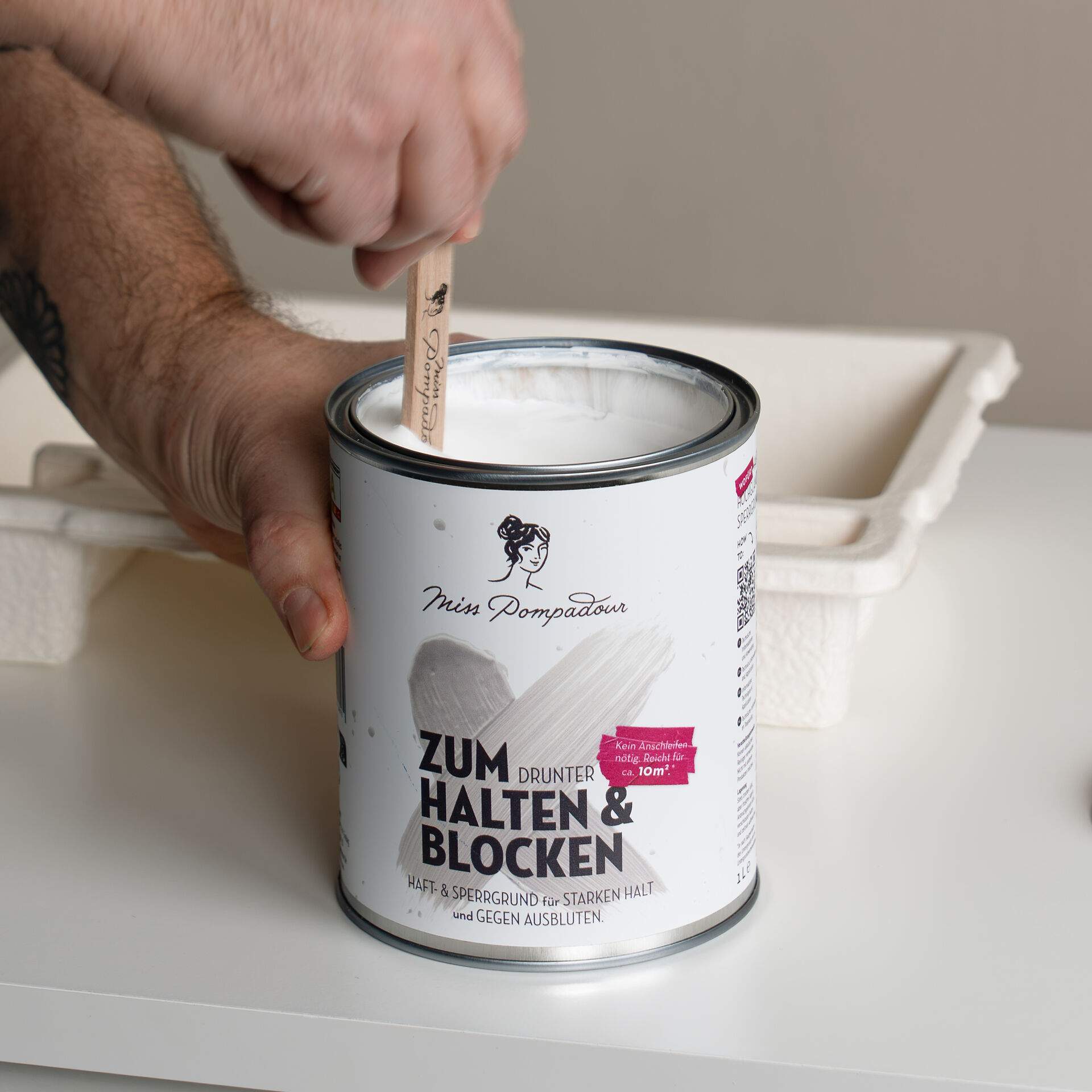
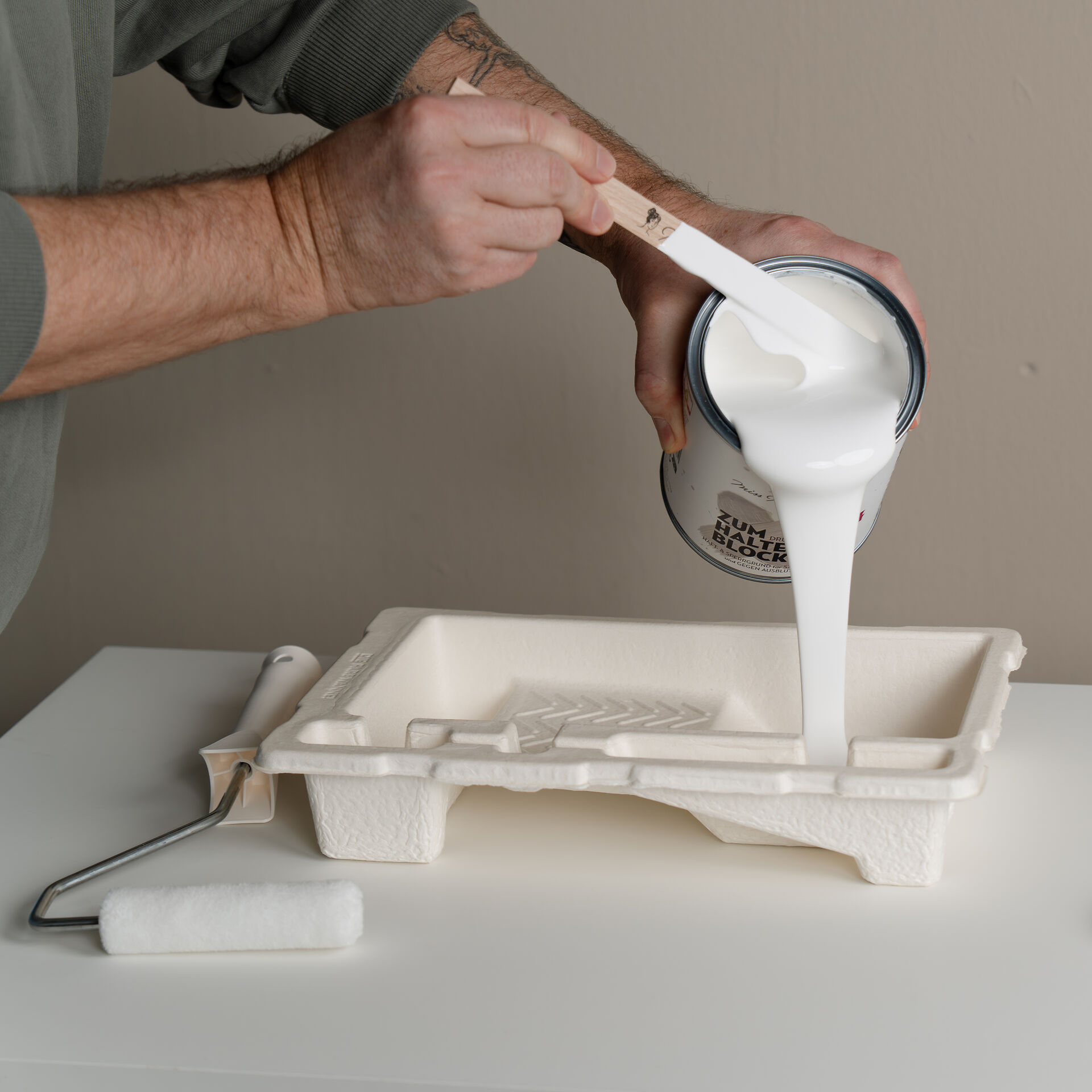
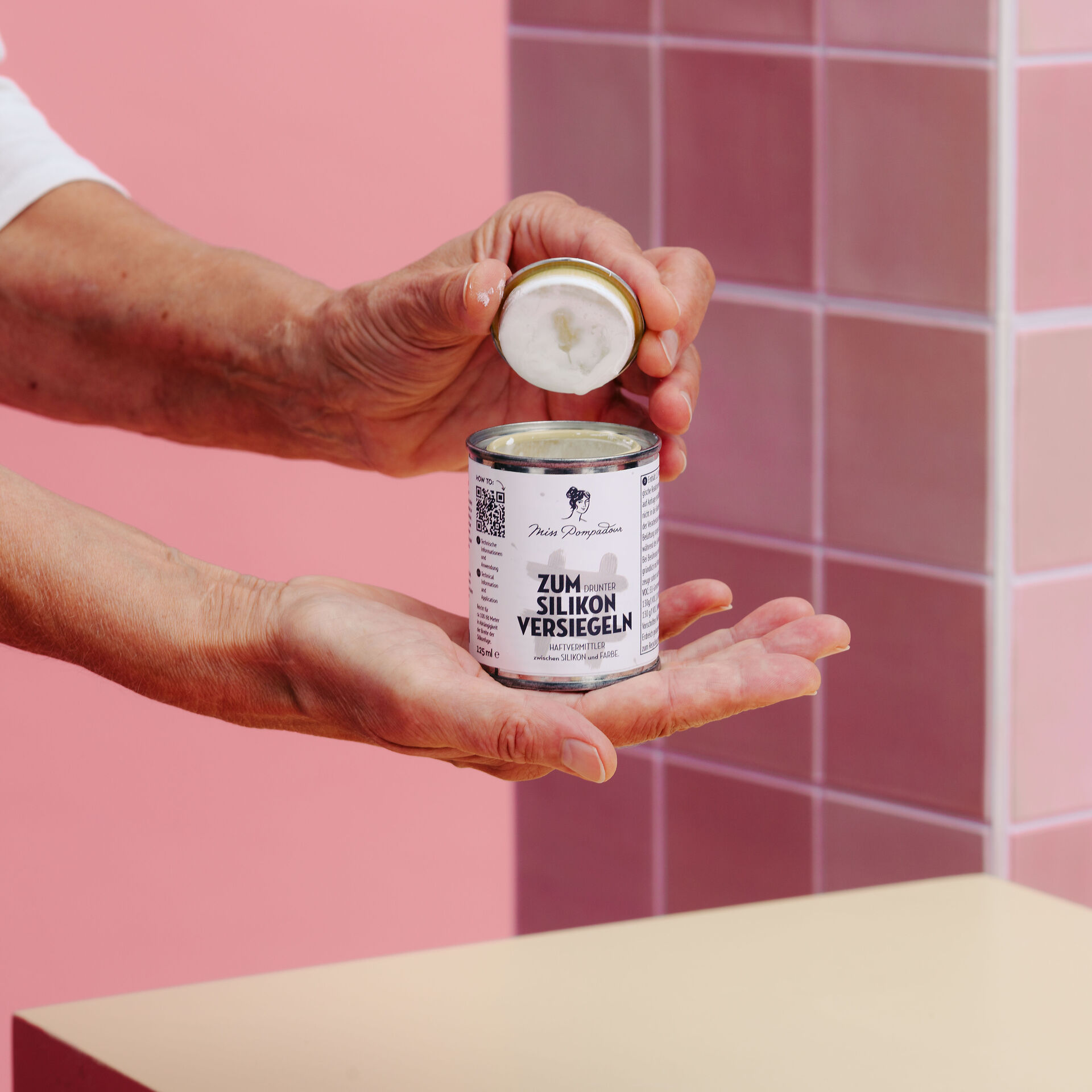
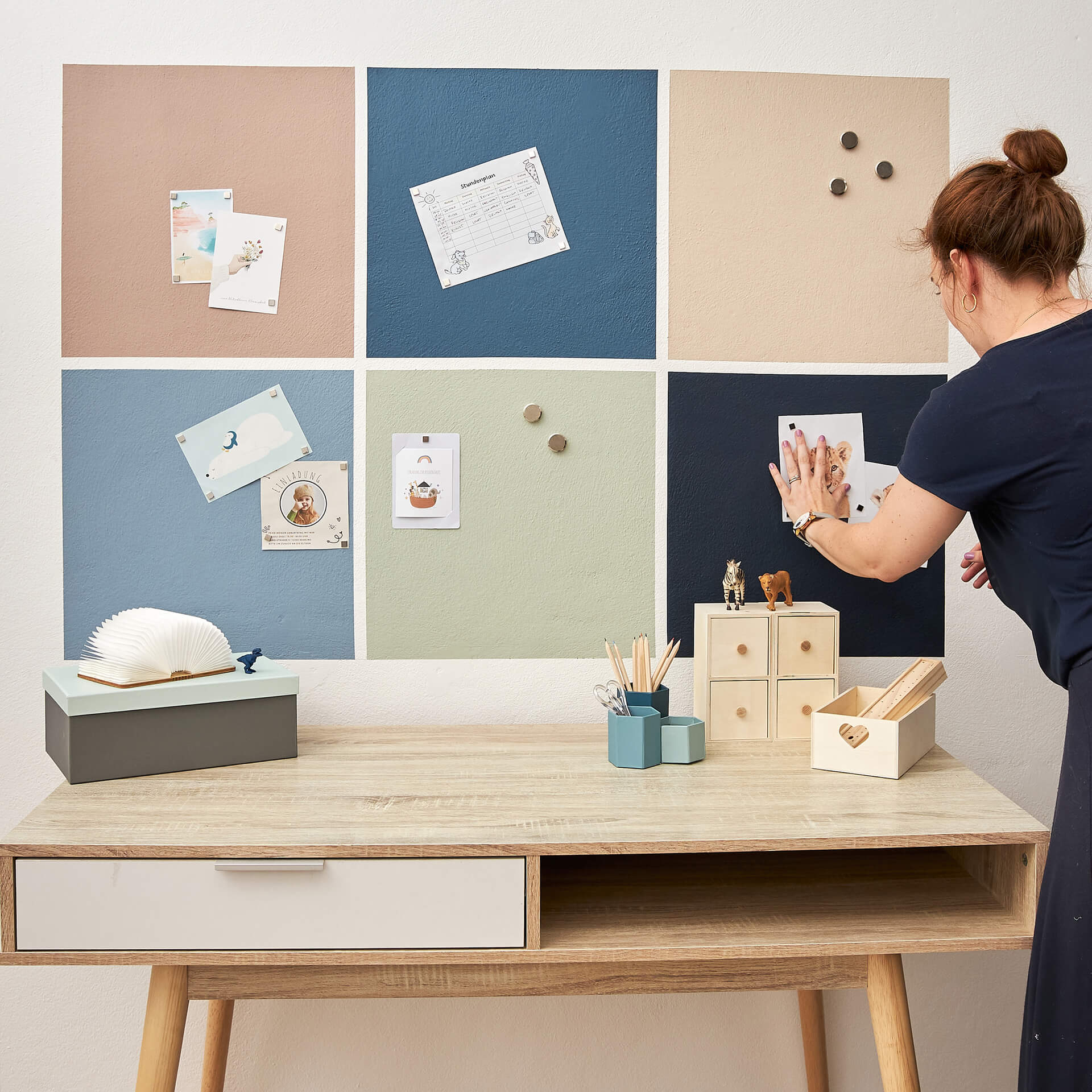


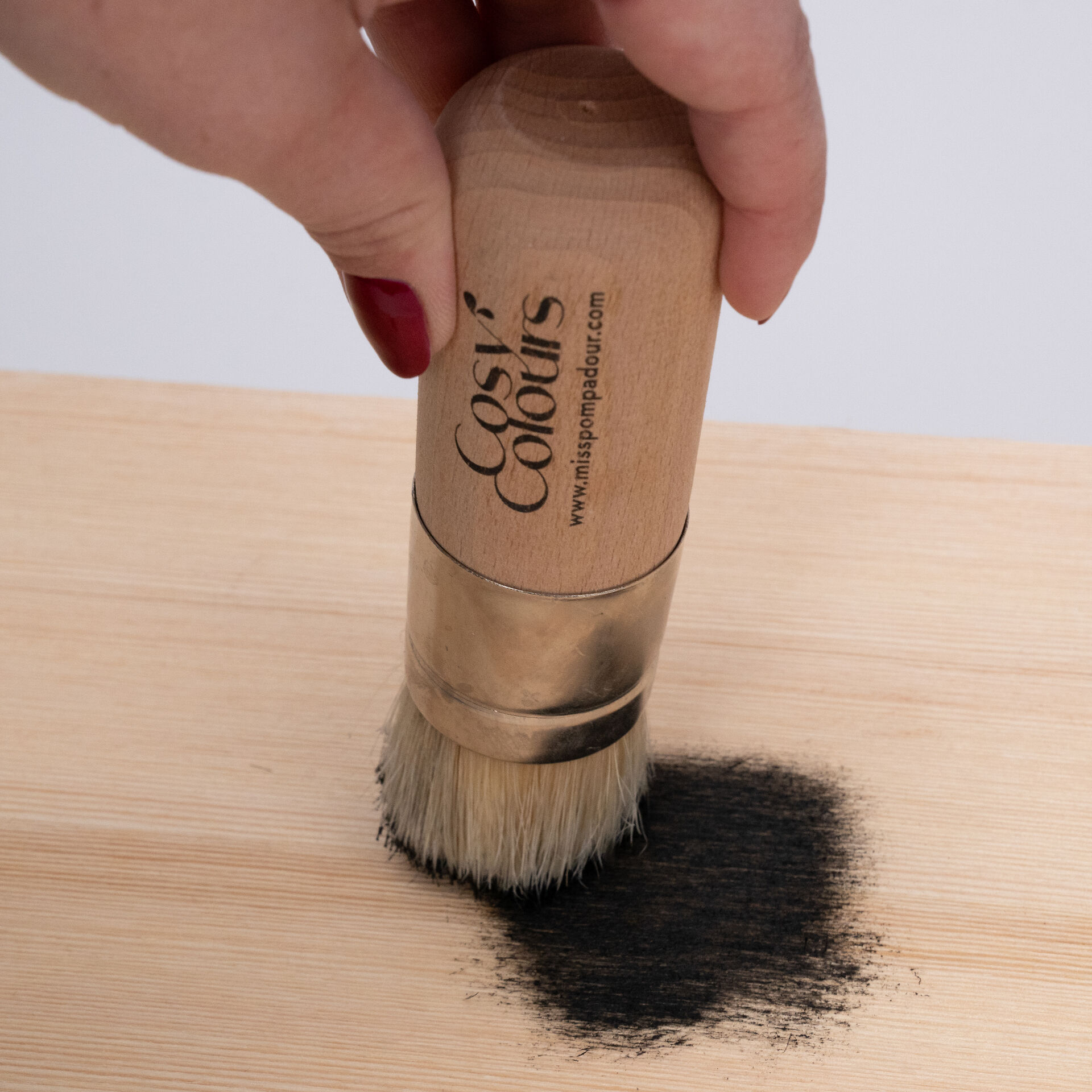
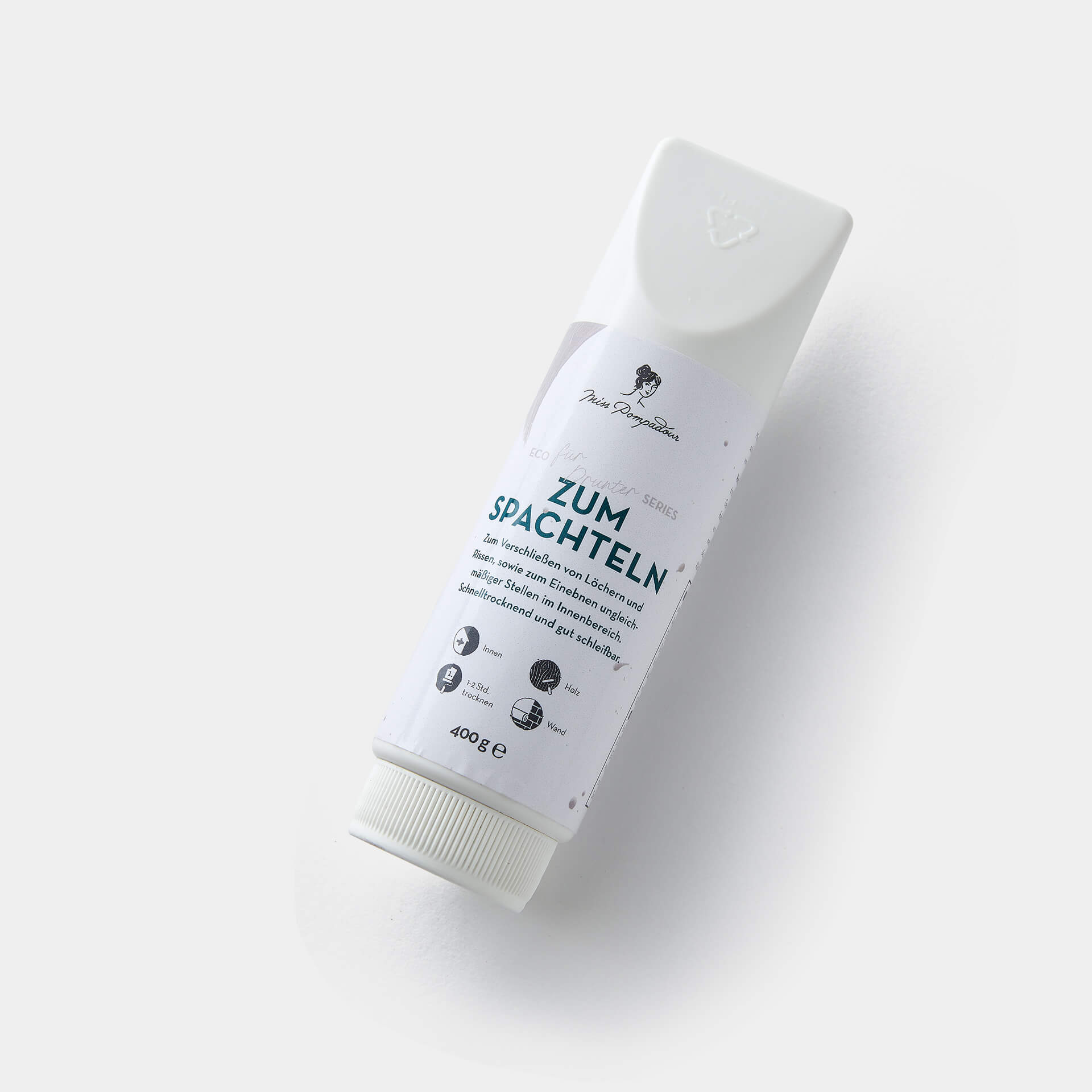
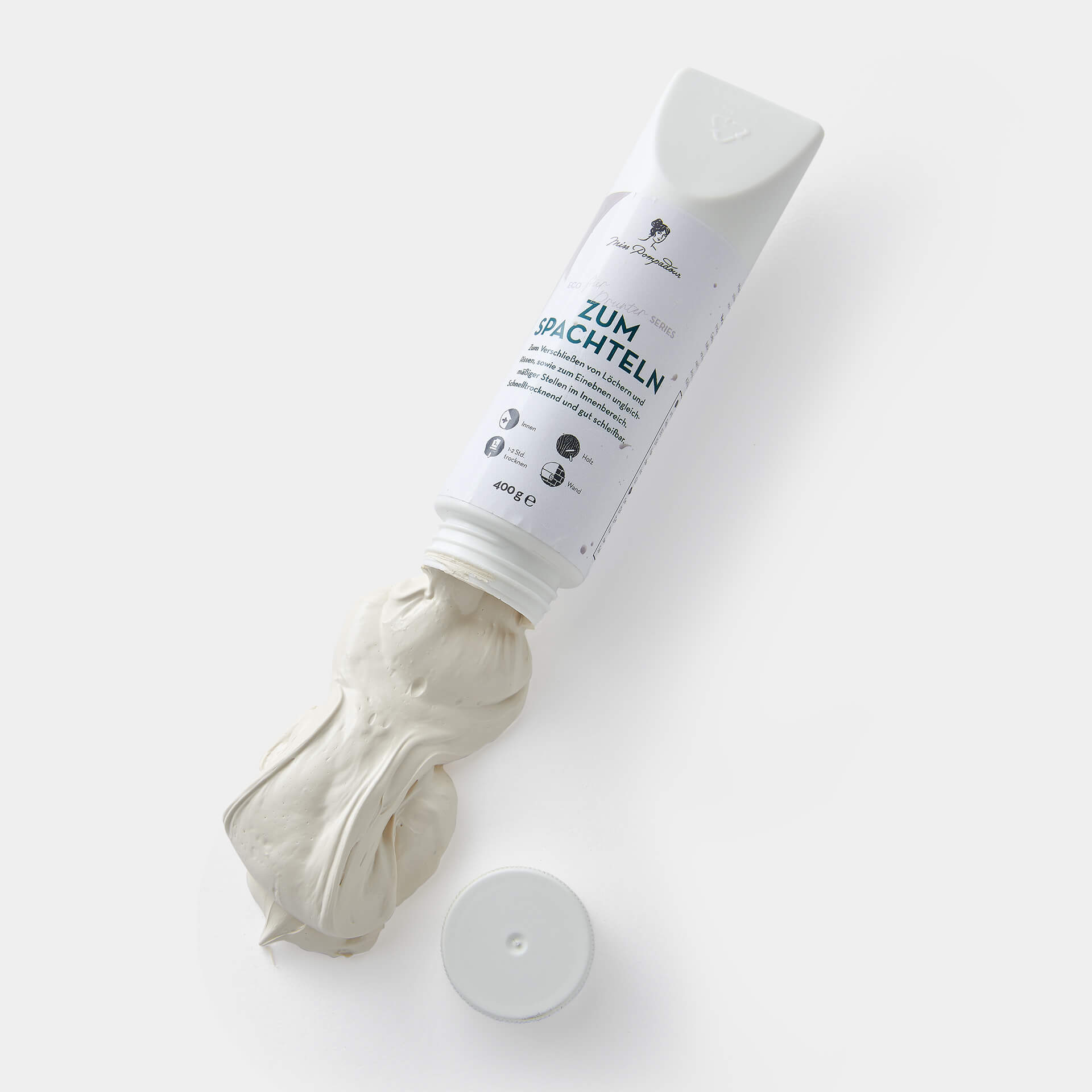
Customer pictures
Buy primer
The right preparation and primer before painting are at least as important as choosing the right paint and wall paint. If you want to know which primer you should buy to prepare your surface perfectly, just read on.
When should you use a primer?
If your surface is bleeding, rusty, or highly absorbent, you should use a primer for your first coat. Even on very smooth surfaces, our primers create a base that gives the paint perfect adhesion.
Buy primer: primer for wall & chalk paint, wood, metal & more!
A primer is the very first layer you apply to your surface. Depending on the substrate and your painting project, it serves different purposes.
Deep primer for plaster and highly absorbent surfaces
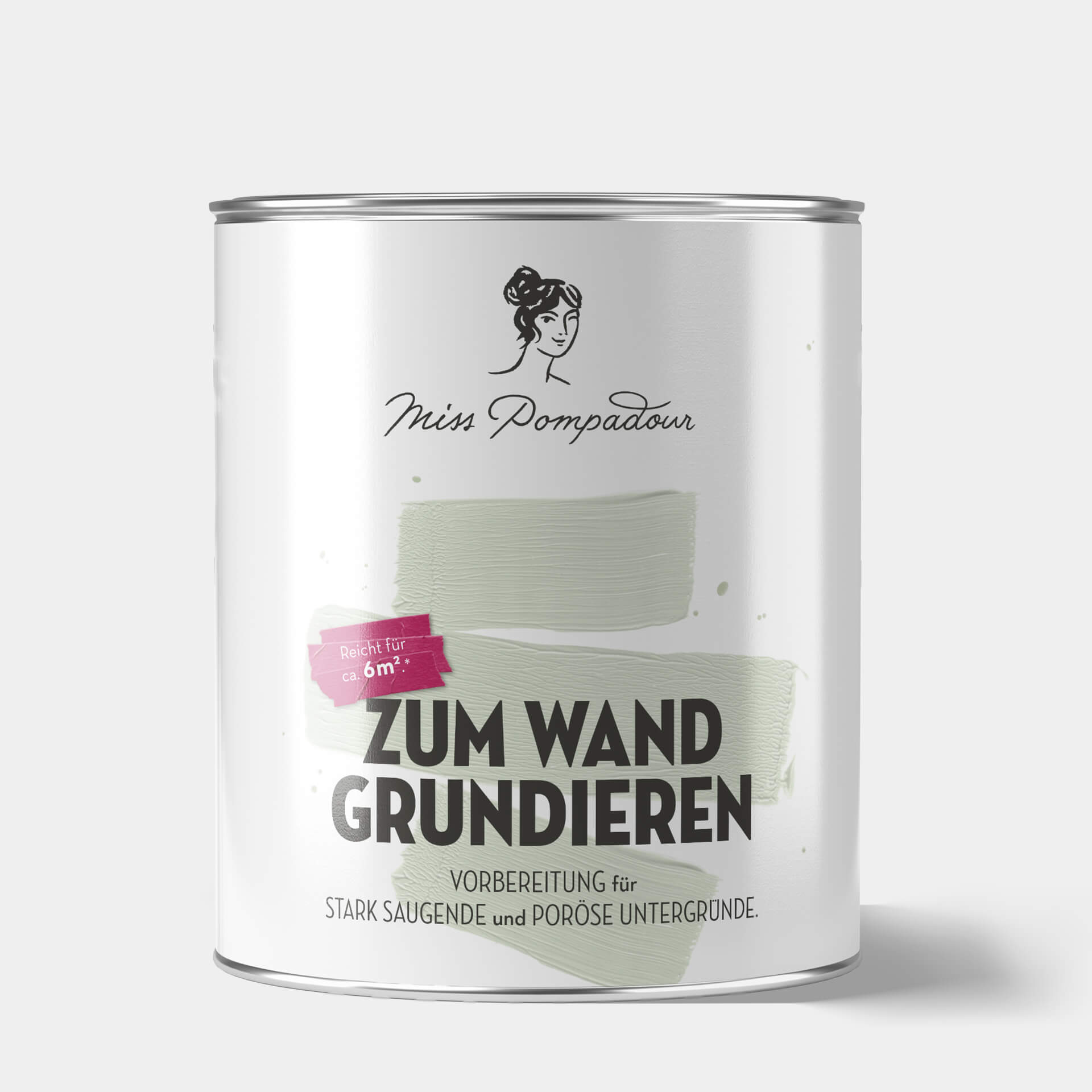
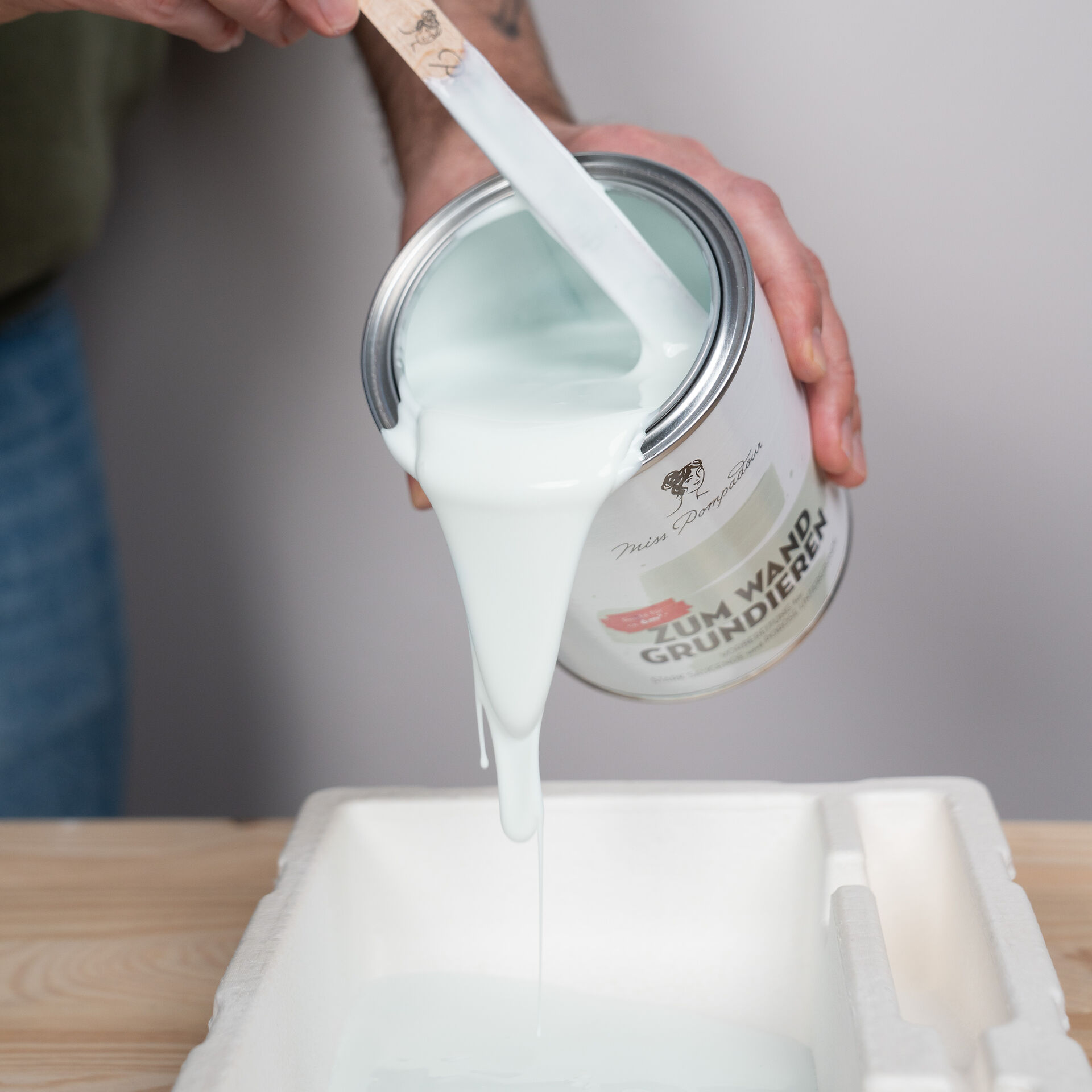
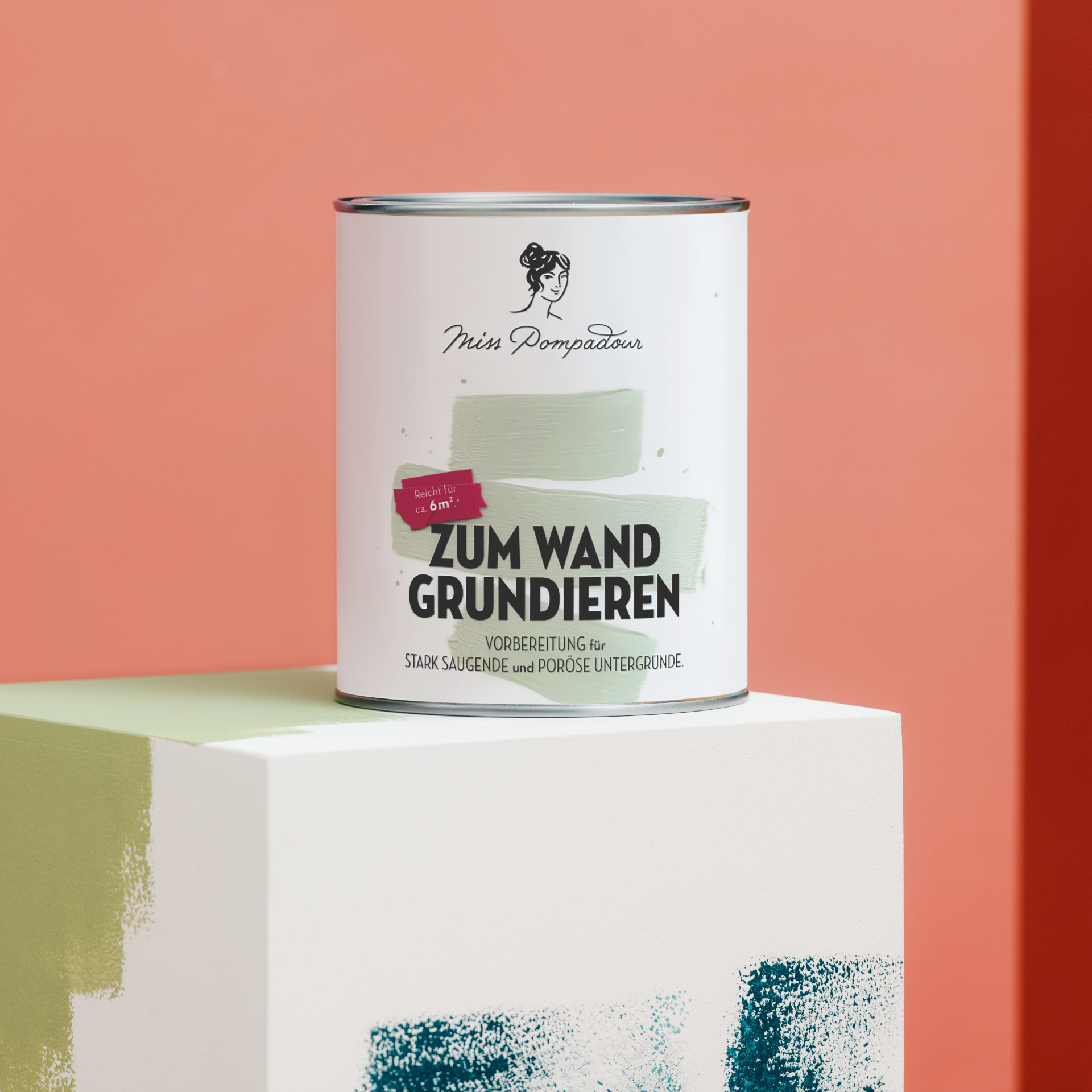
If you are dealing with a freshly plastered wall, old wallpaper, or a highly absorbent wall, a deep primer prevents the surface from absorbing too much paint. Use MissPompadour To Prime Walls to prepare your absorbent surface for painting. It doesn't matter whether you are priming wallpaper, plasterboard, or fresh plaster. Just make sure to carry out any repairs with filler before priming. You should only apply the deep primer once your walls are completely ready for painting.
Primer for wall paints
If you are painting over already painted walls, a primer is only necessary in certain cases, such as with crumbly plaster. Even if you don't know what type of paint was last used on the wall, using a primer is the safest bet. Use MissPompadour To Prime Walls for this.
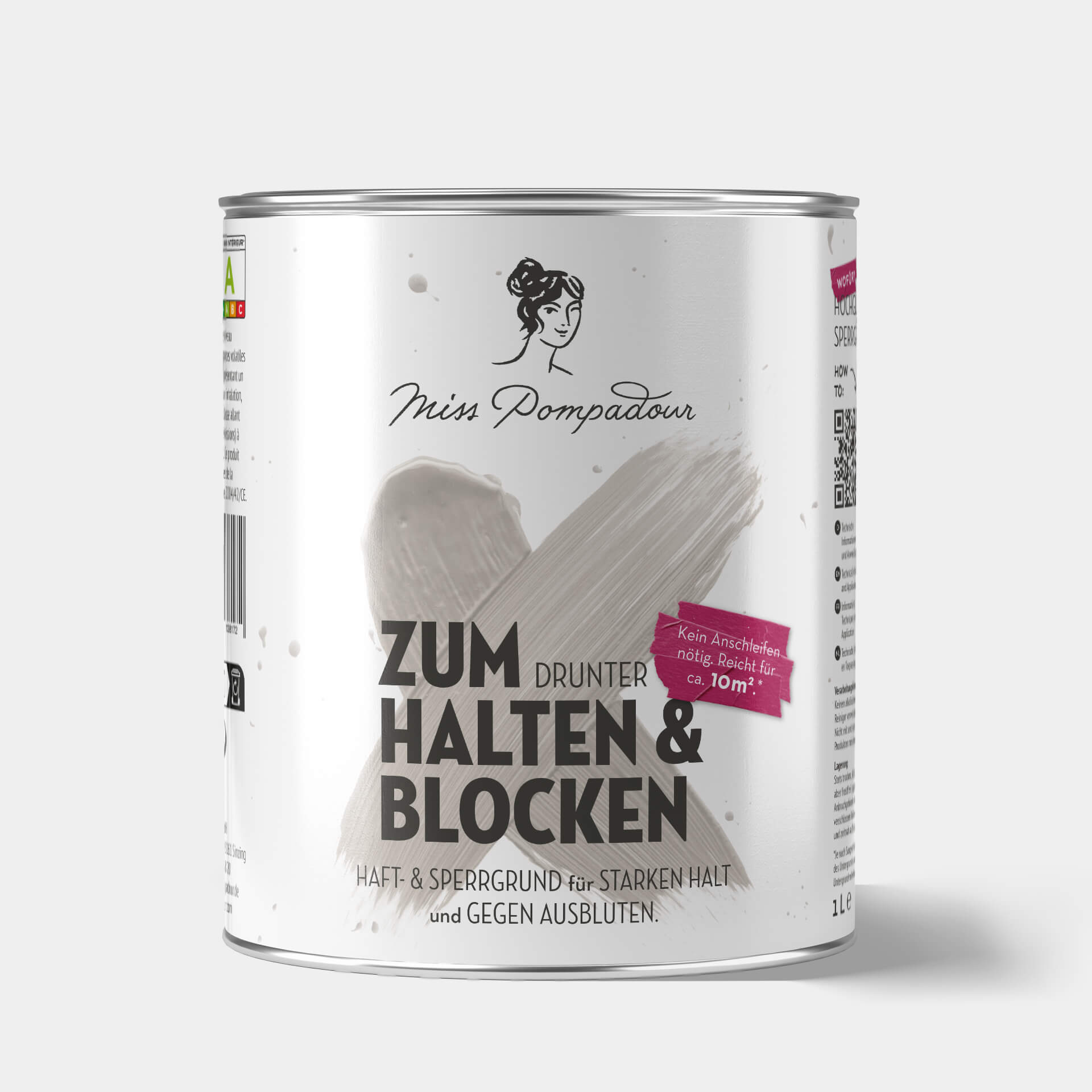
A primer for wall paints can also act as a blocking primer to prevent old stains from bleeding through into your new coat of paint. This could be grease stains in the kitchen, yellowing from nicotine, or soot near fireplaces. In this case, apply To Bond & Block from MissPompadour. However, it is important that you only apply To Bond & Block directly to the stains rather than painting the entire wall. Doing so could affect the wall's breathability. As a primer for the entire wall, always use To Prime Walls.
Primer for metal
If you are looking for a metal primer, it all depends on the condition of the metal. If there are no rust spots and it is indoors, MissPompadour To Bond & Block is ideal. It acts as a powerful primer for smooth metal surfaces. For metal that is prone to rusting, sand off the rust thoroughly and prime with a rust inhibitor first.
Tile primer
For priming tiles, To Bond & Block is perfect for both wall and floor tiles. It is a primer specifically designed for smooth surfaces, ensuring a strong bond between the tiles and the paint.
Primer for wood
Whether you need a primer for wood depends on the type of wood and how your piece of furniture has been treated in the past. If you are painting with light colours, you should definitely prime certain types of wood that are prone to bleeding with To Bond & Block. These include pine, tropical woods, and any wood with knots.
If the surface has been stained beforehand, you should also start your project with To Bond & Block. Here too, the blocking primers seal the surface and prevent substances from the wood from bleeding into the paint.
For oiled surfaces, a blocking primer is not enough; instead, simply sand the surface thoroughly before painting.
Plastic primer for smooth surfaces
If you are painting a smooth plastic surface, such as a foil-wrapped kitchen, always start your project with To Bond & Block. This plastic primer provides a base coat that gives your chosen colour much better adhesion. No matter which of our durable paints you choose to beautify your surface with, the plastic primer will help you achieve the perfect base.
When should you use a topcoat?
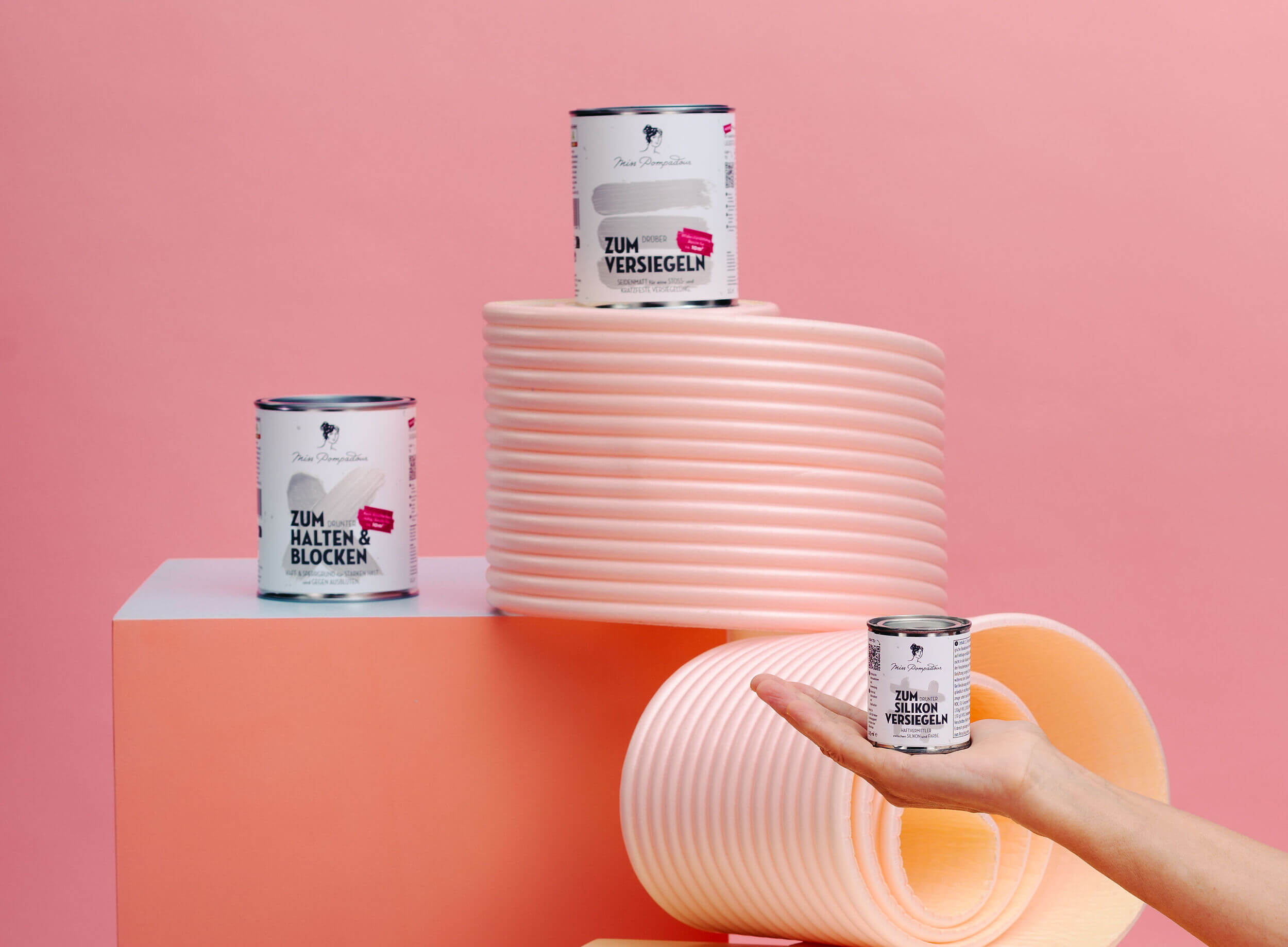
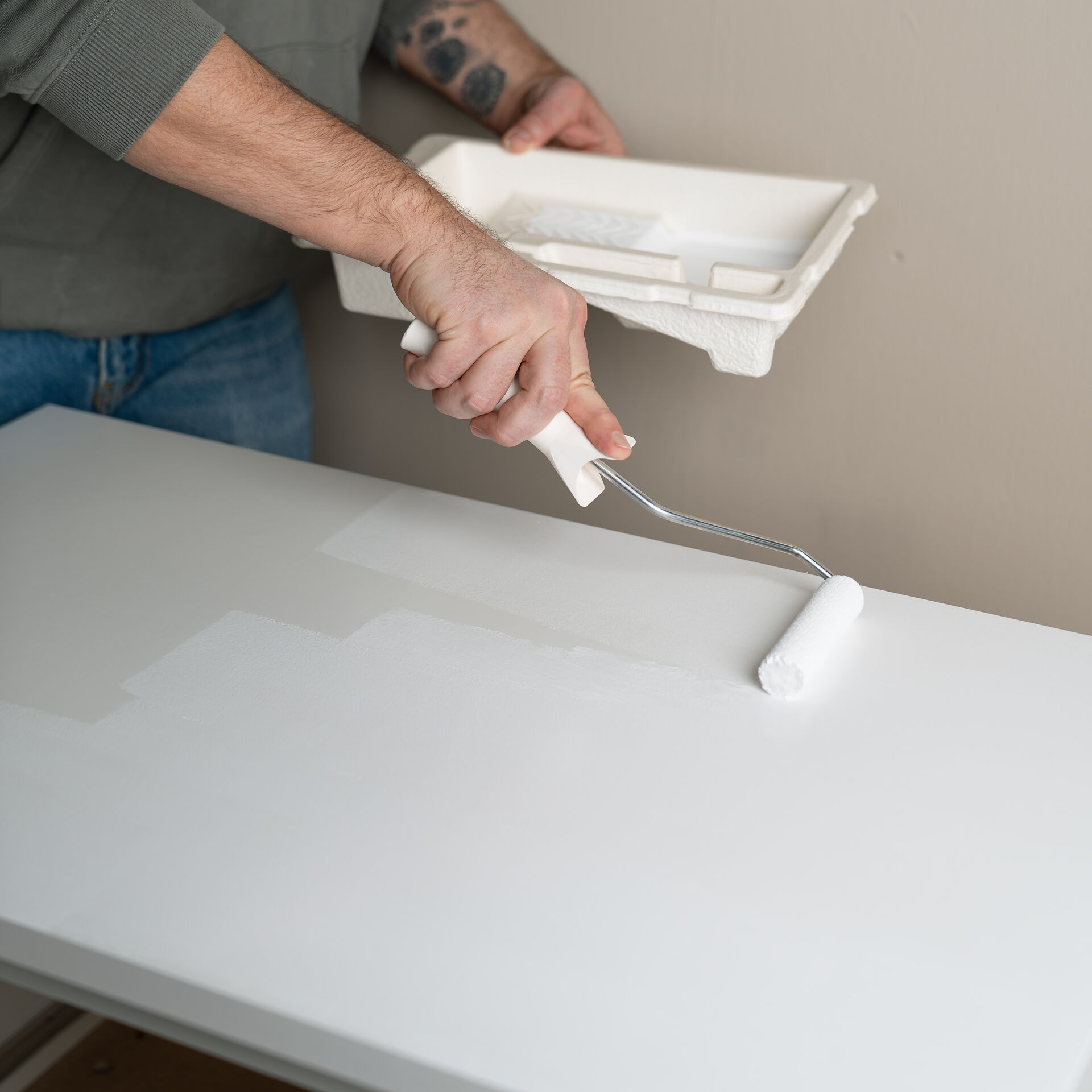
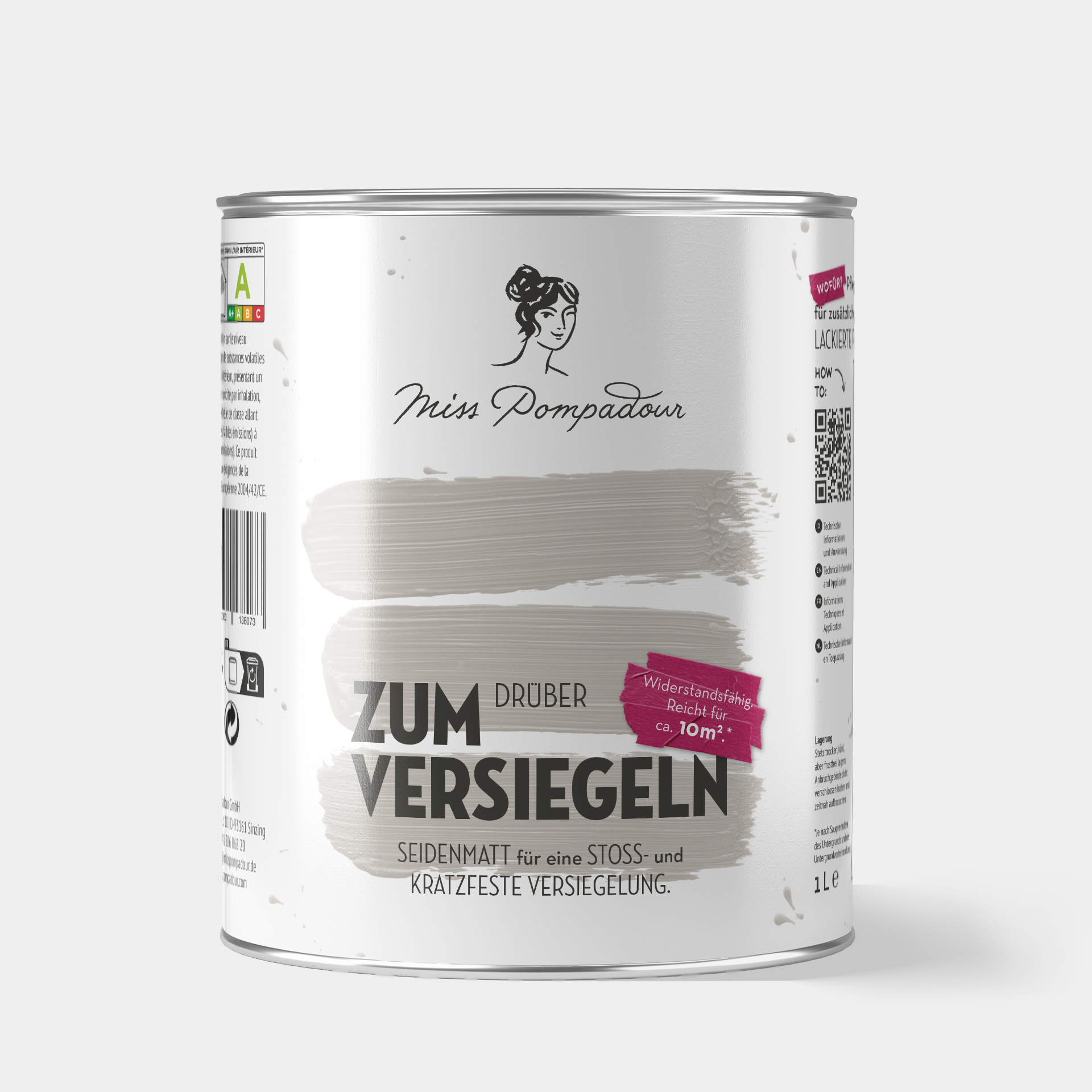
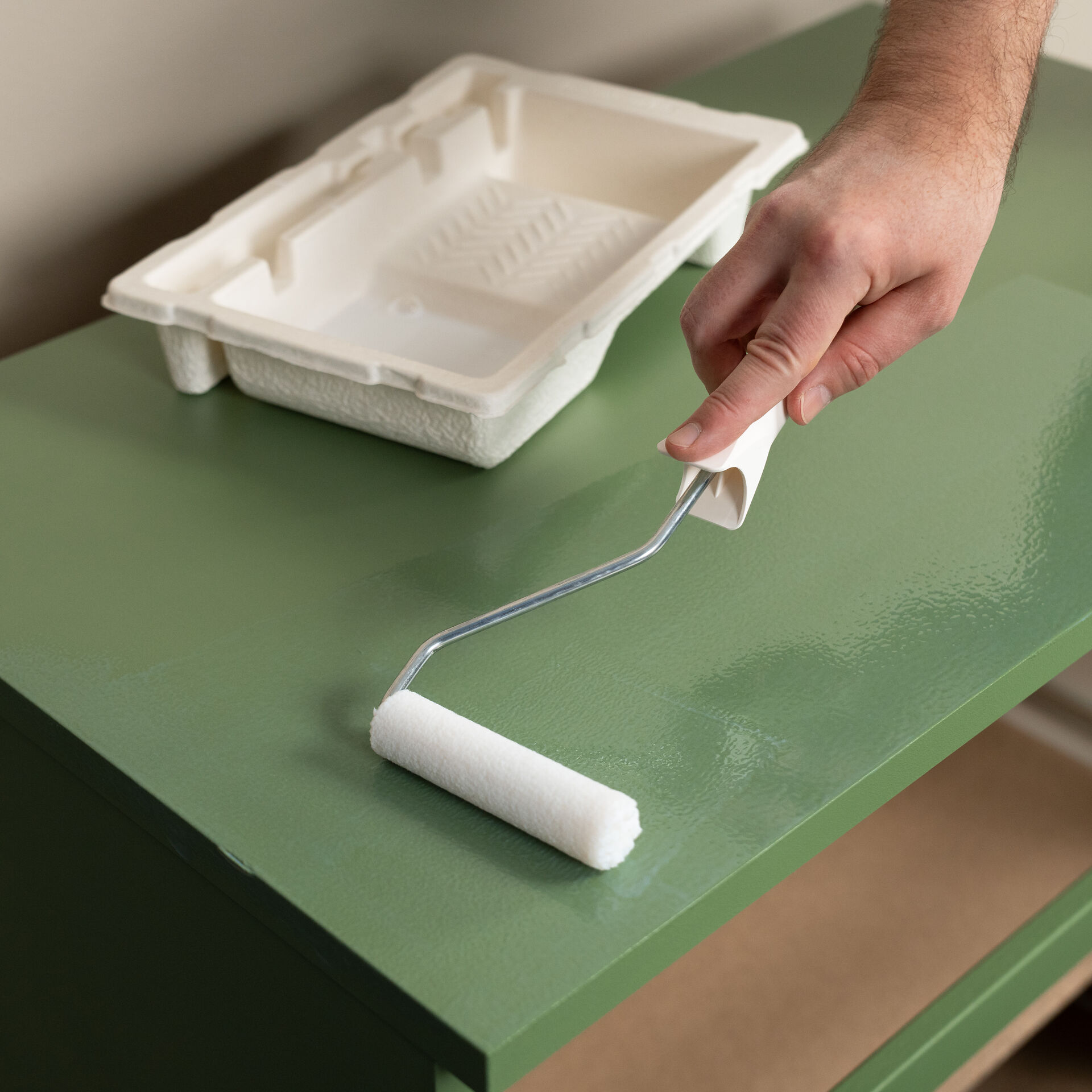
If you have painted surfaces that get a lot of wear and tear – such as chairs, the kitchen table, or your kitchen cabinets – applying a clear topcoat protects the paint from abrasion. Whether on wall tiles or on your dining table, a topcoat is always a sensible way to protect your surfaces. We recommend To Seal from MissPompadour. You can also use it as a topcoat for plastic.
Sealing with wax
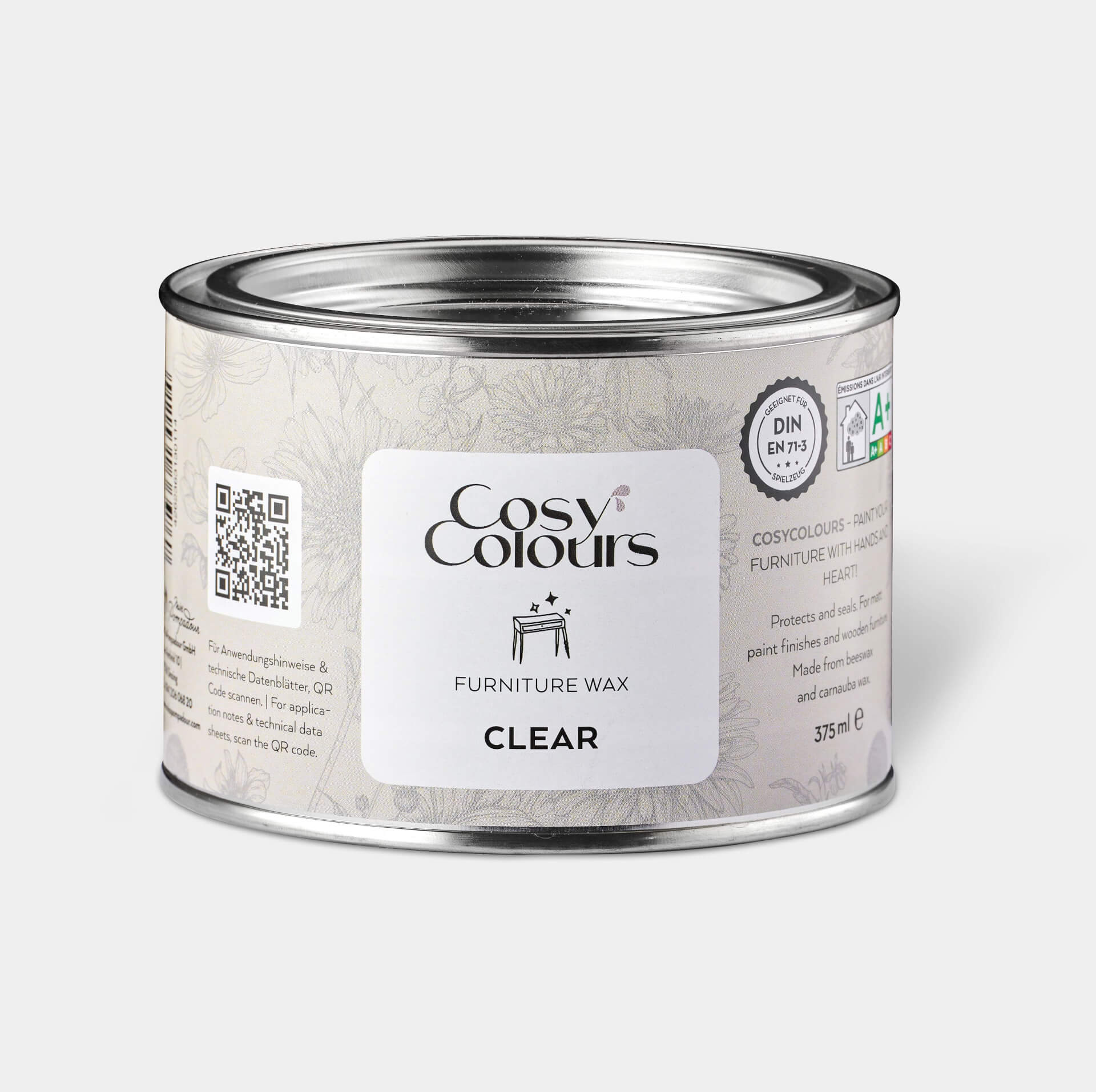
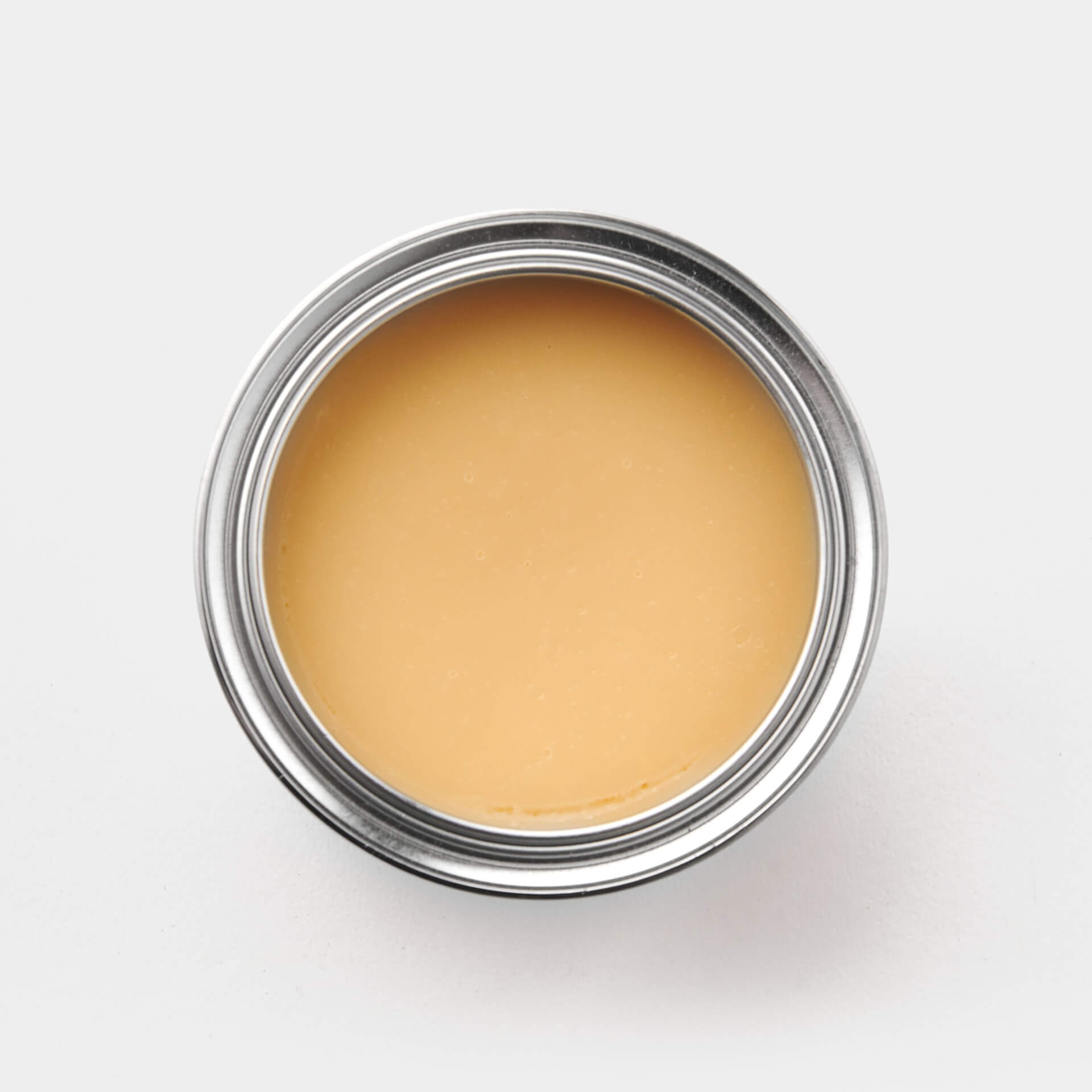
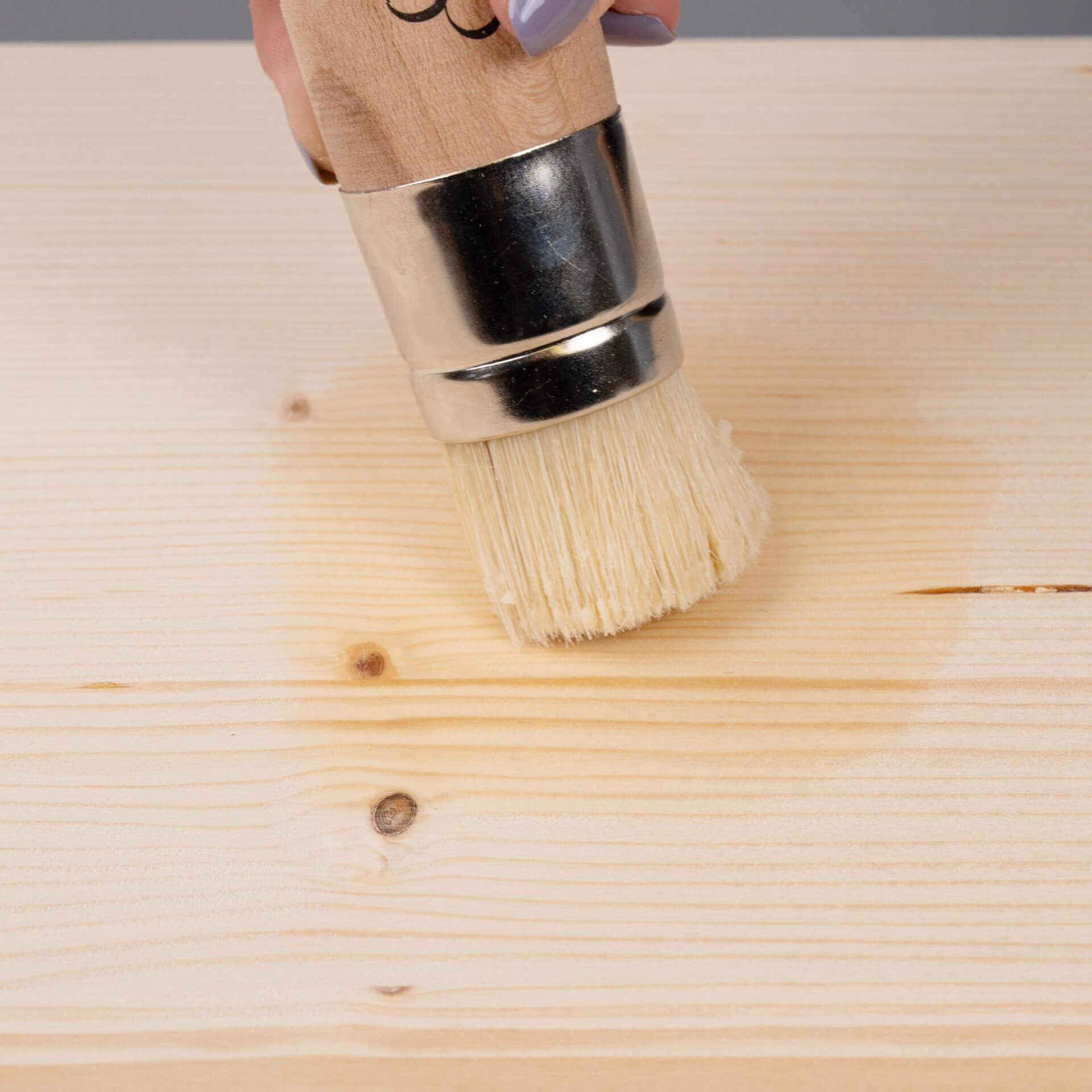
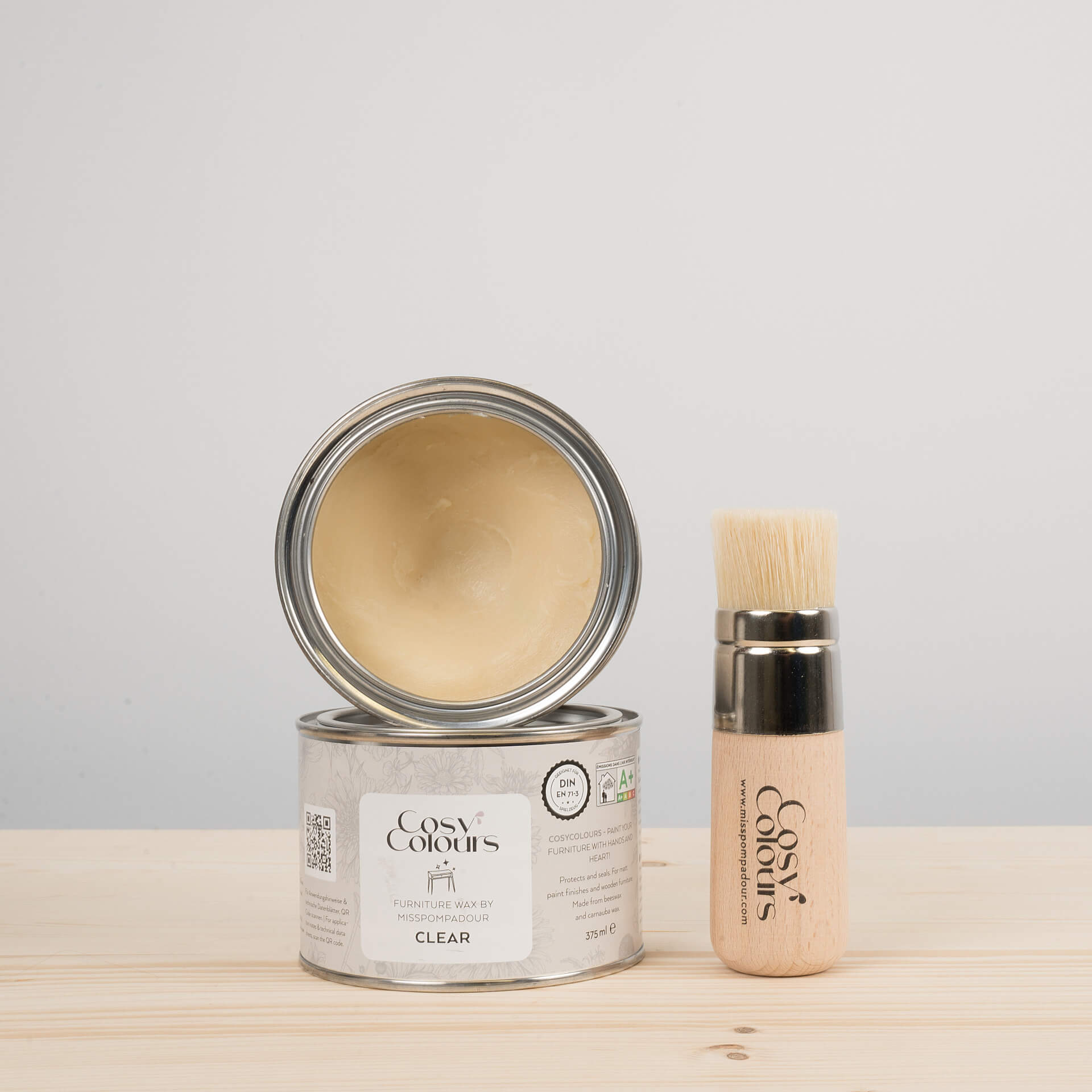
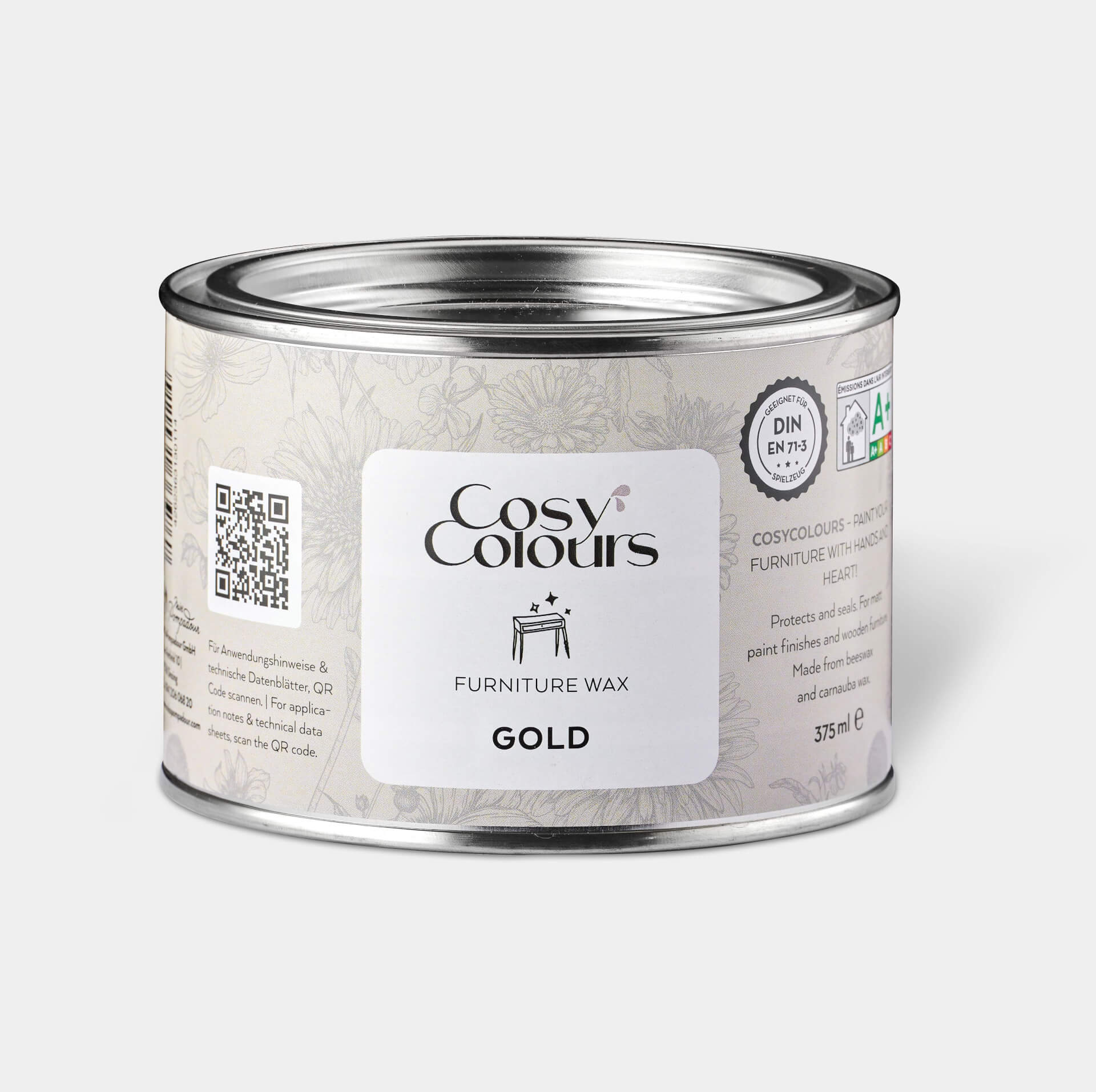
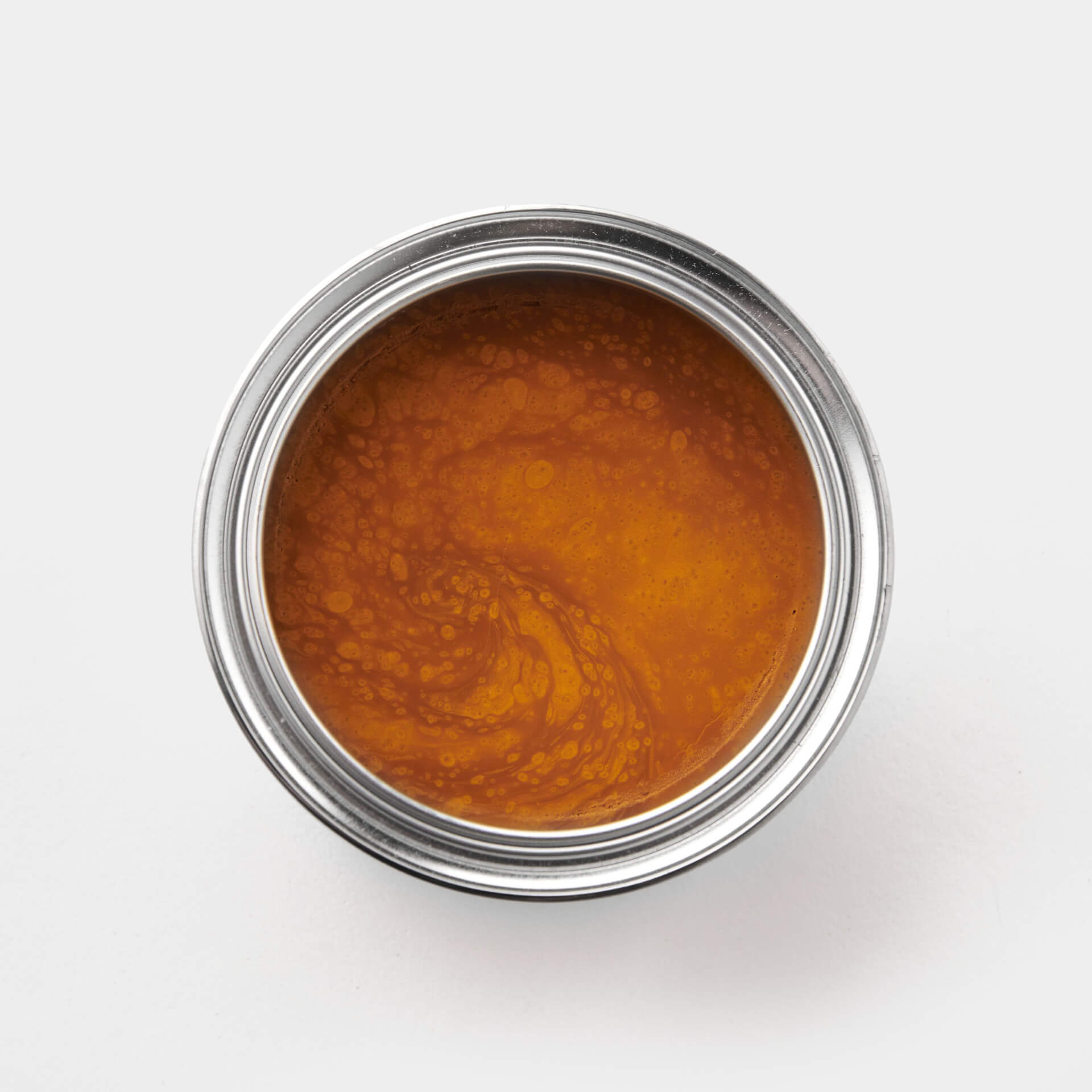
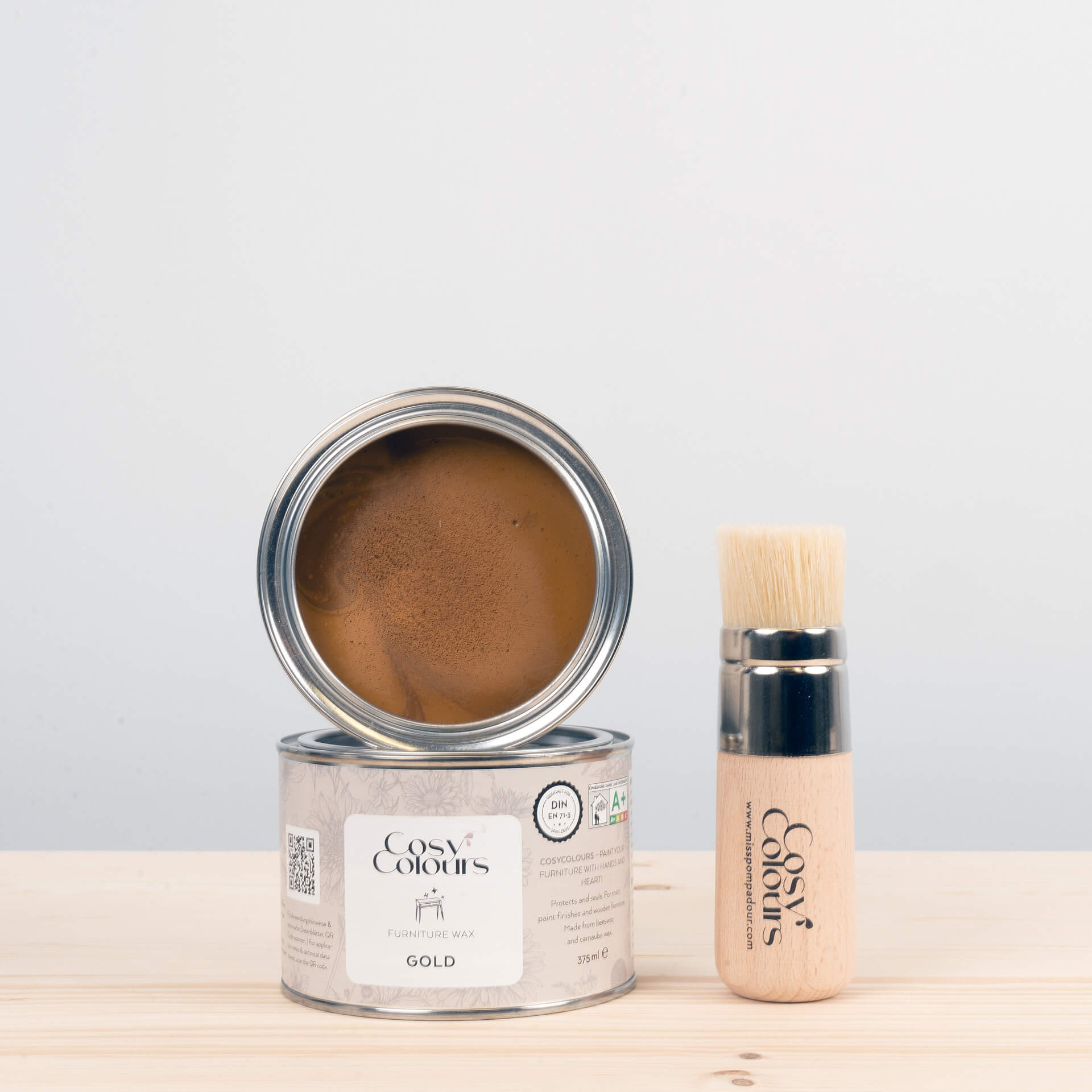
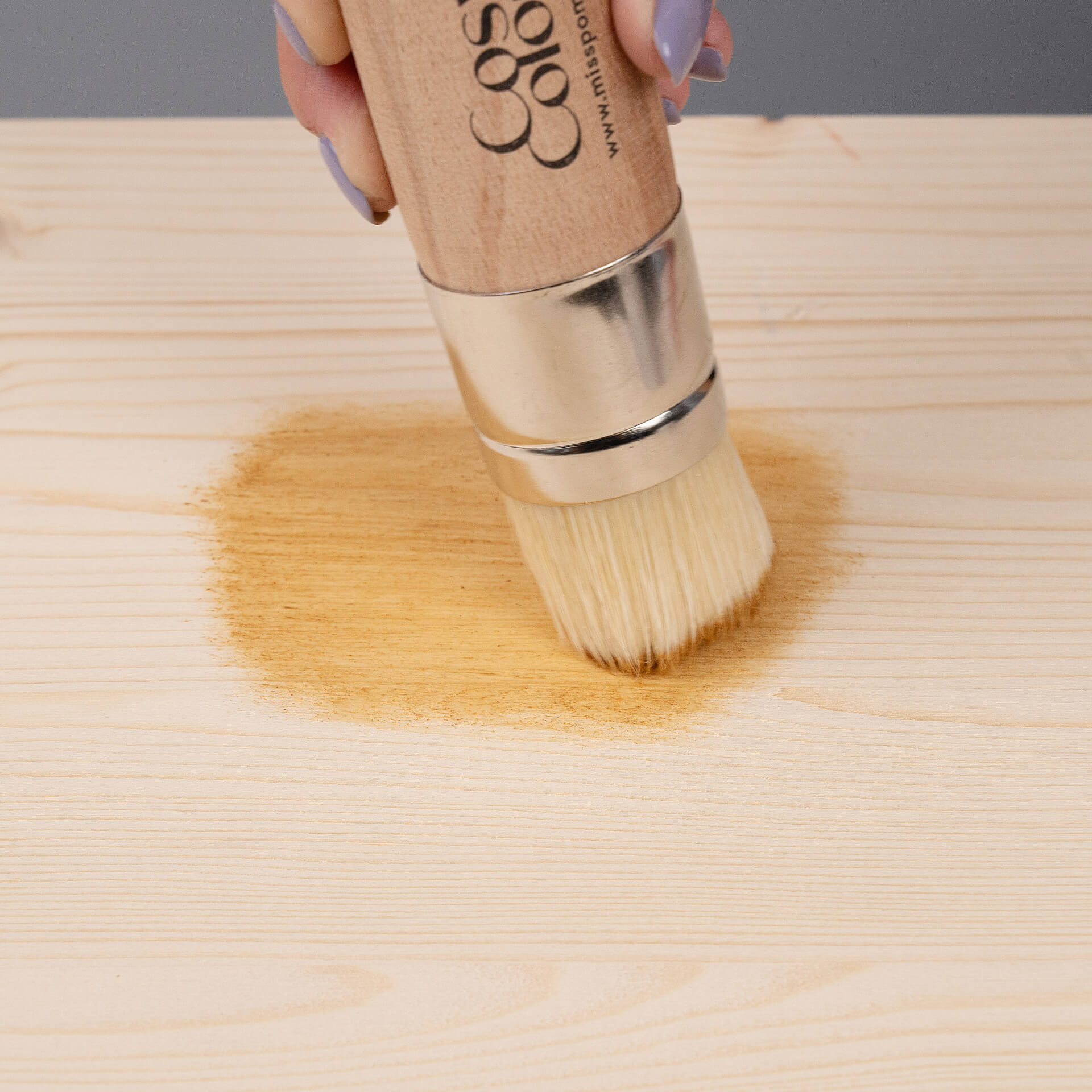
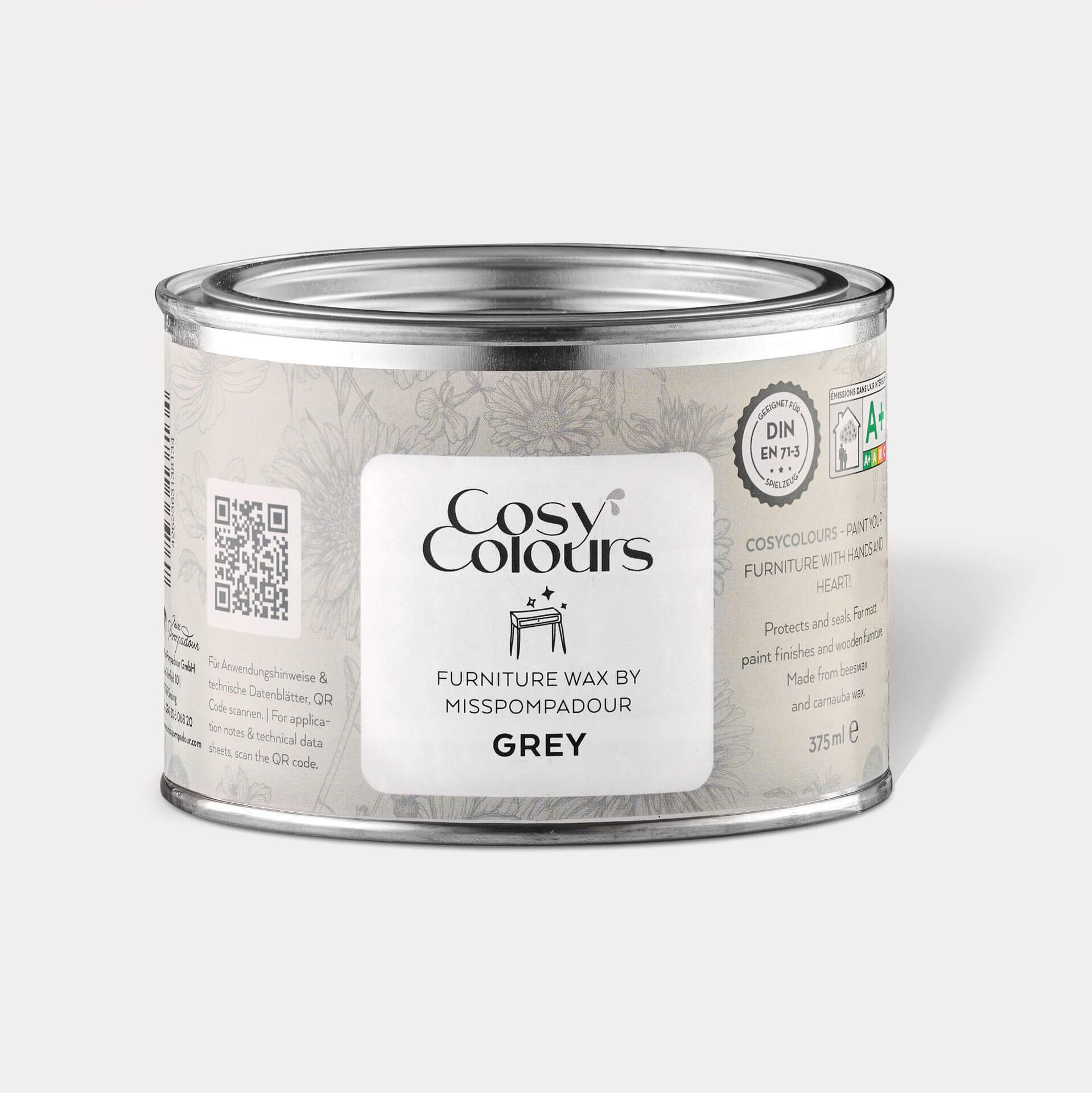
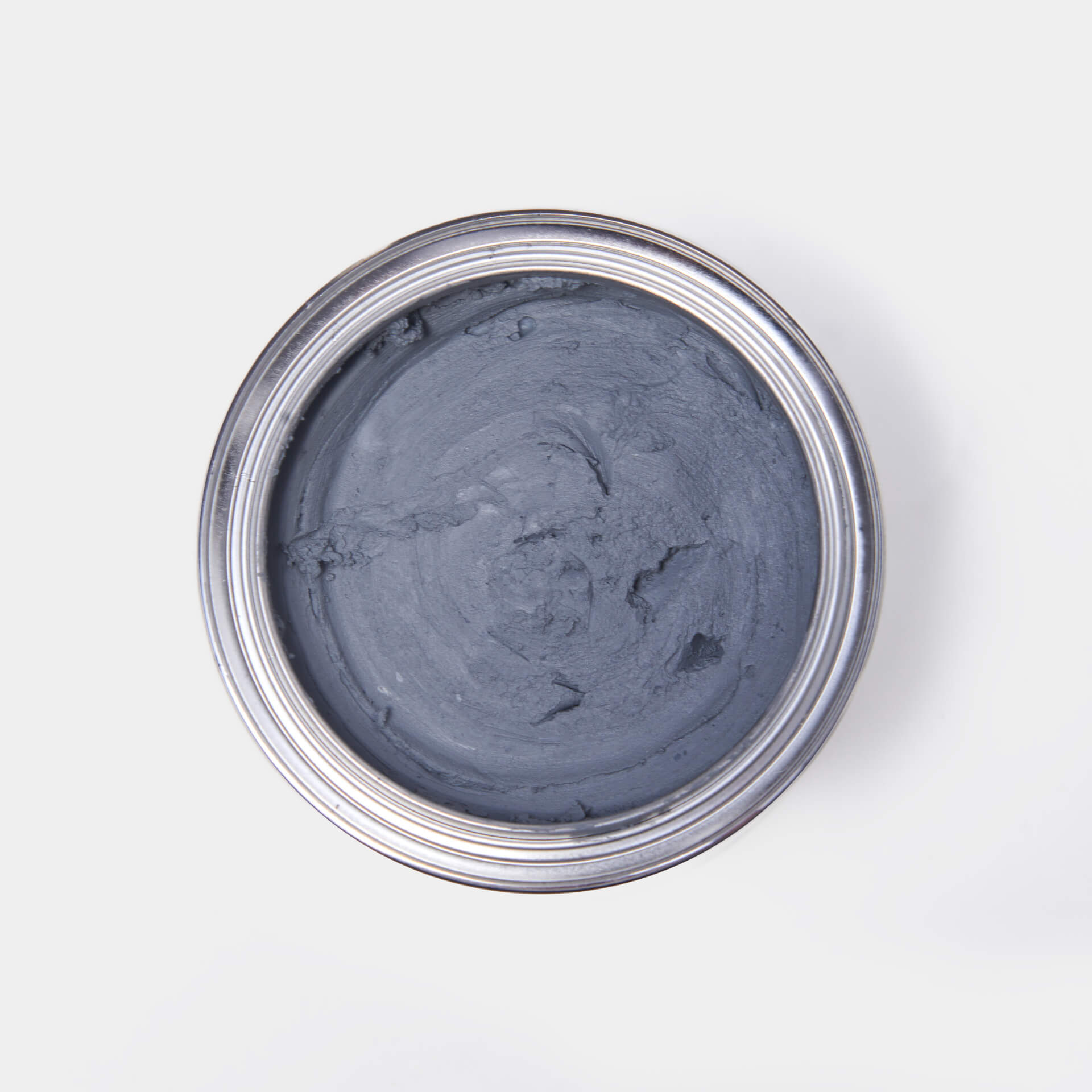
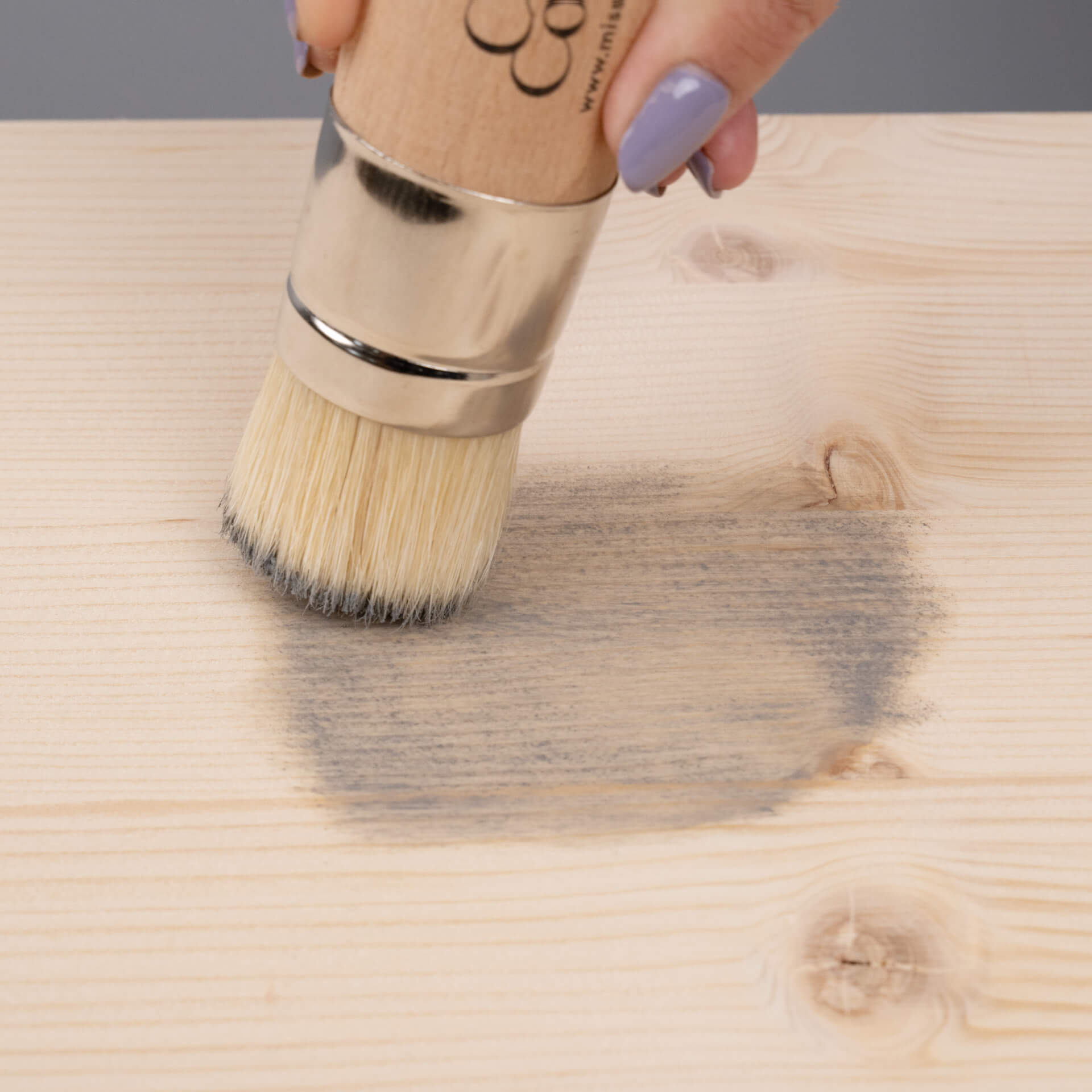
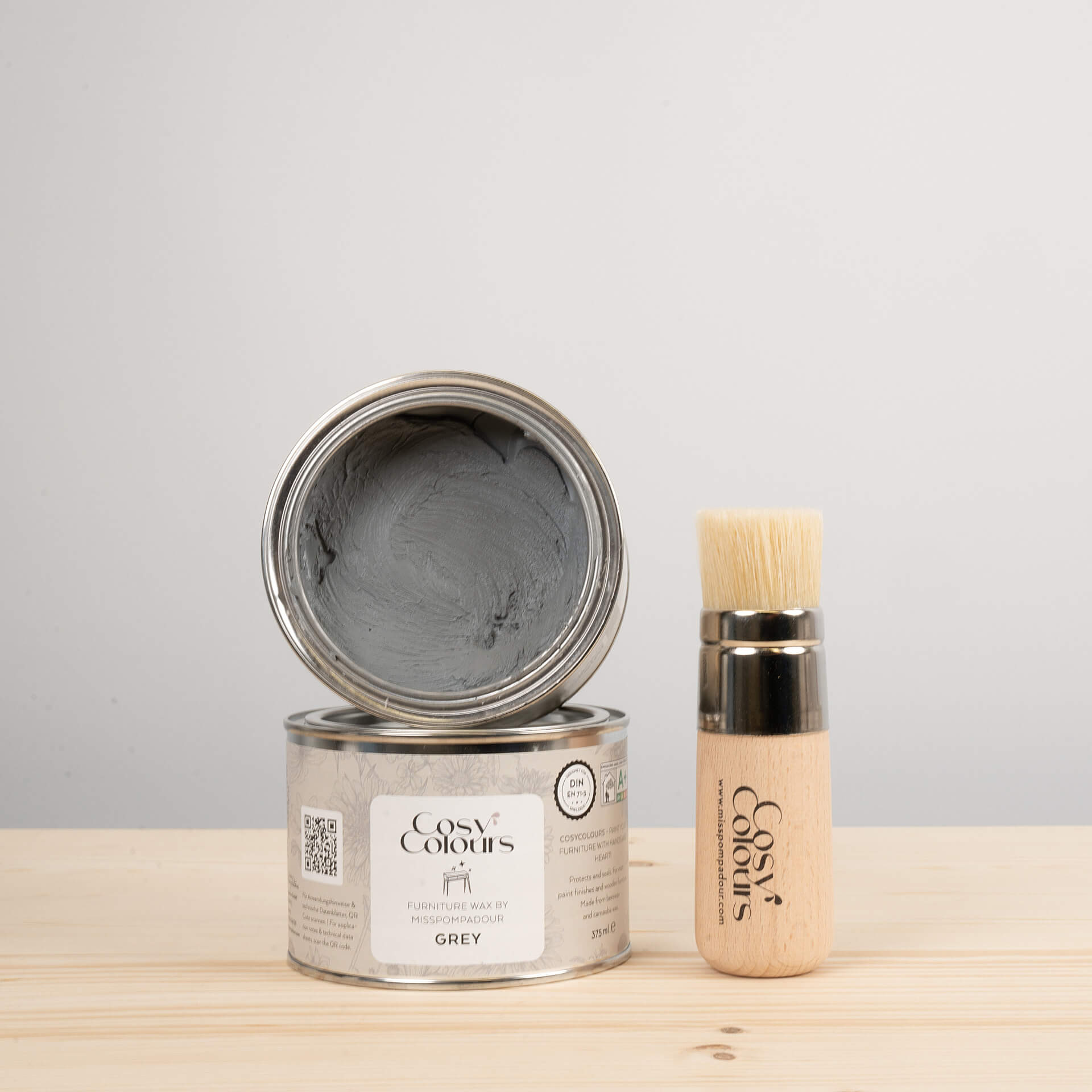
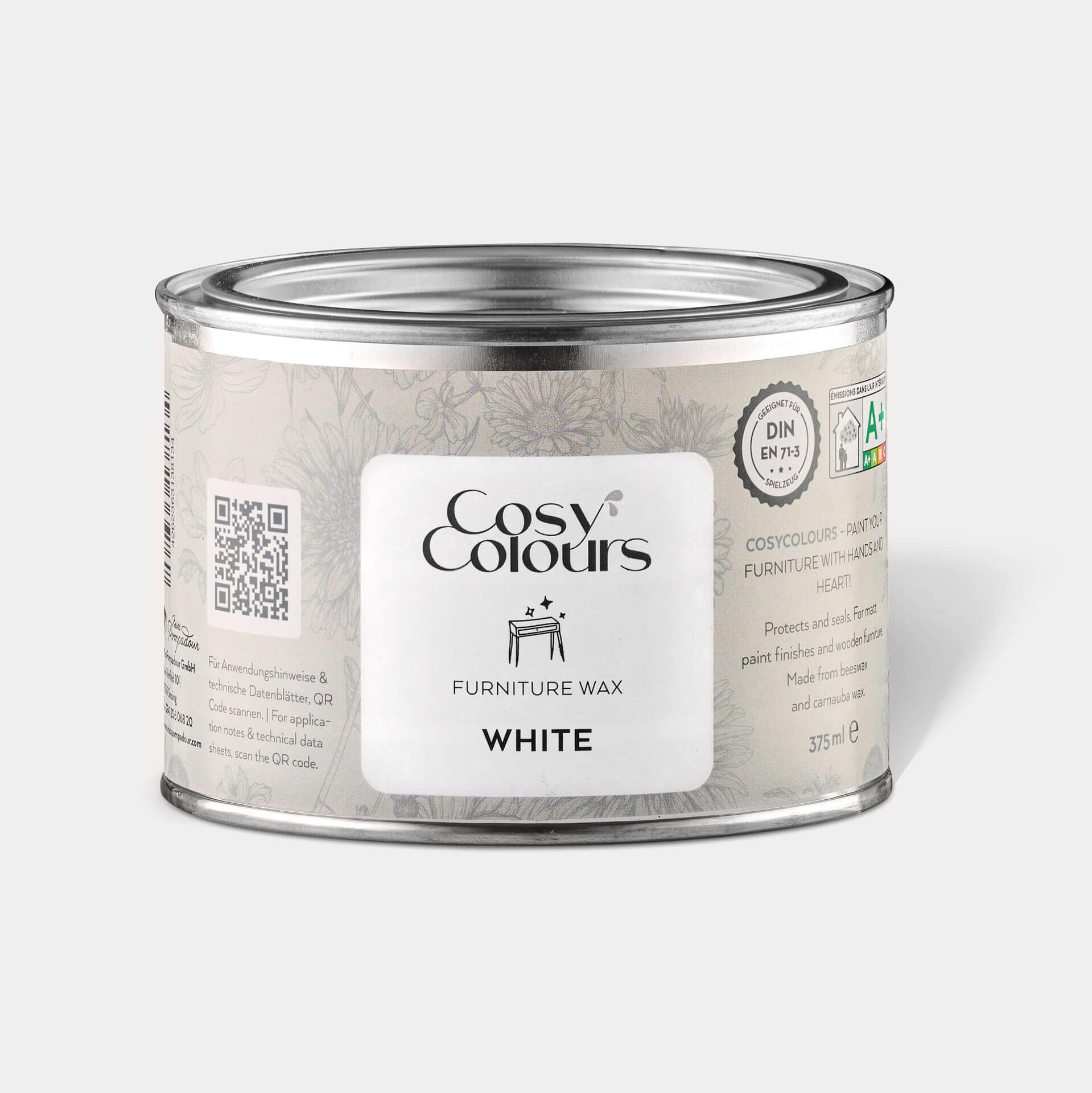
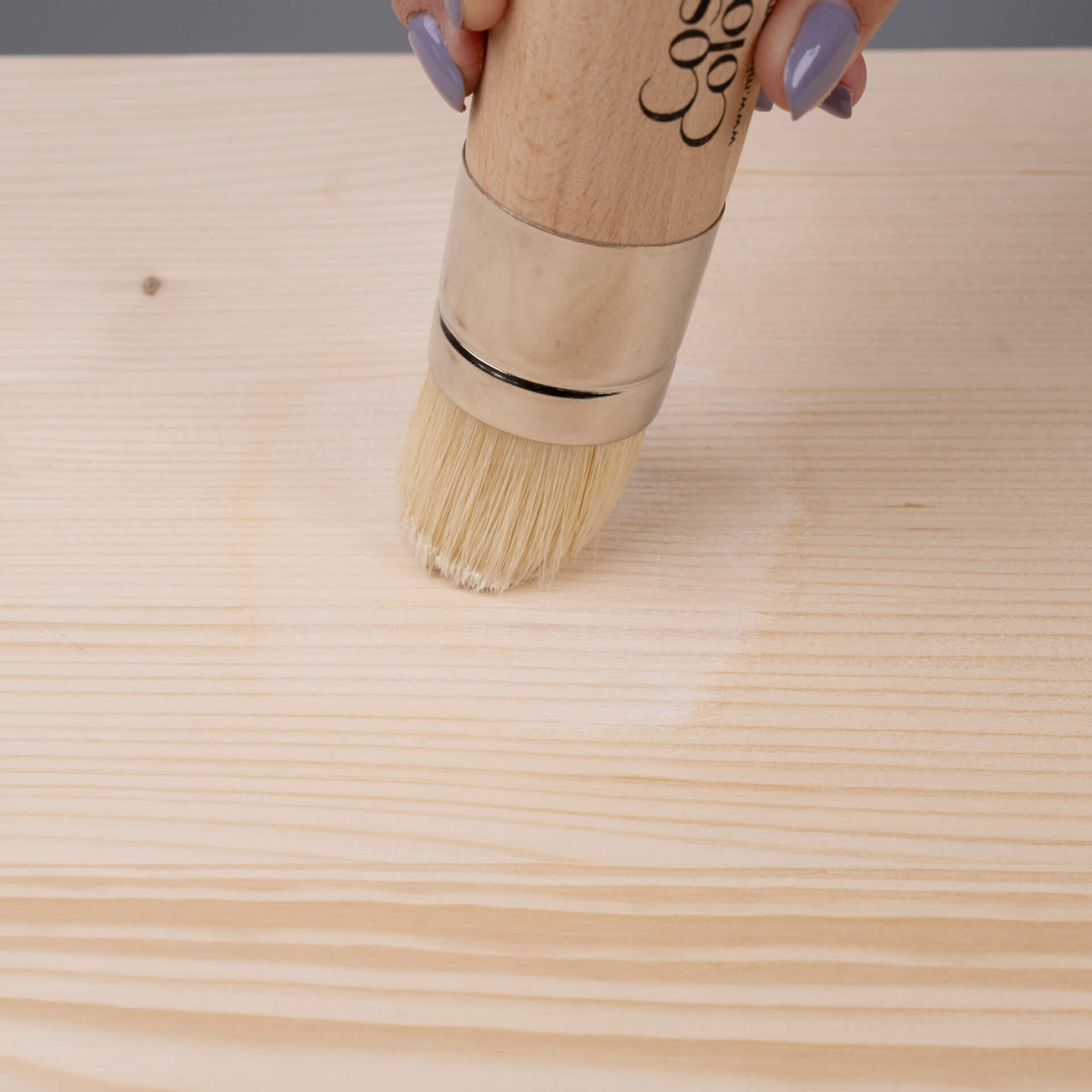
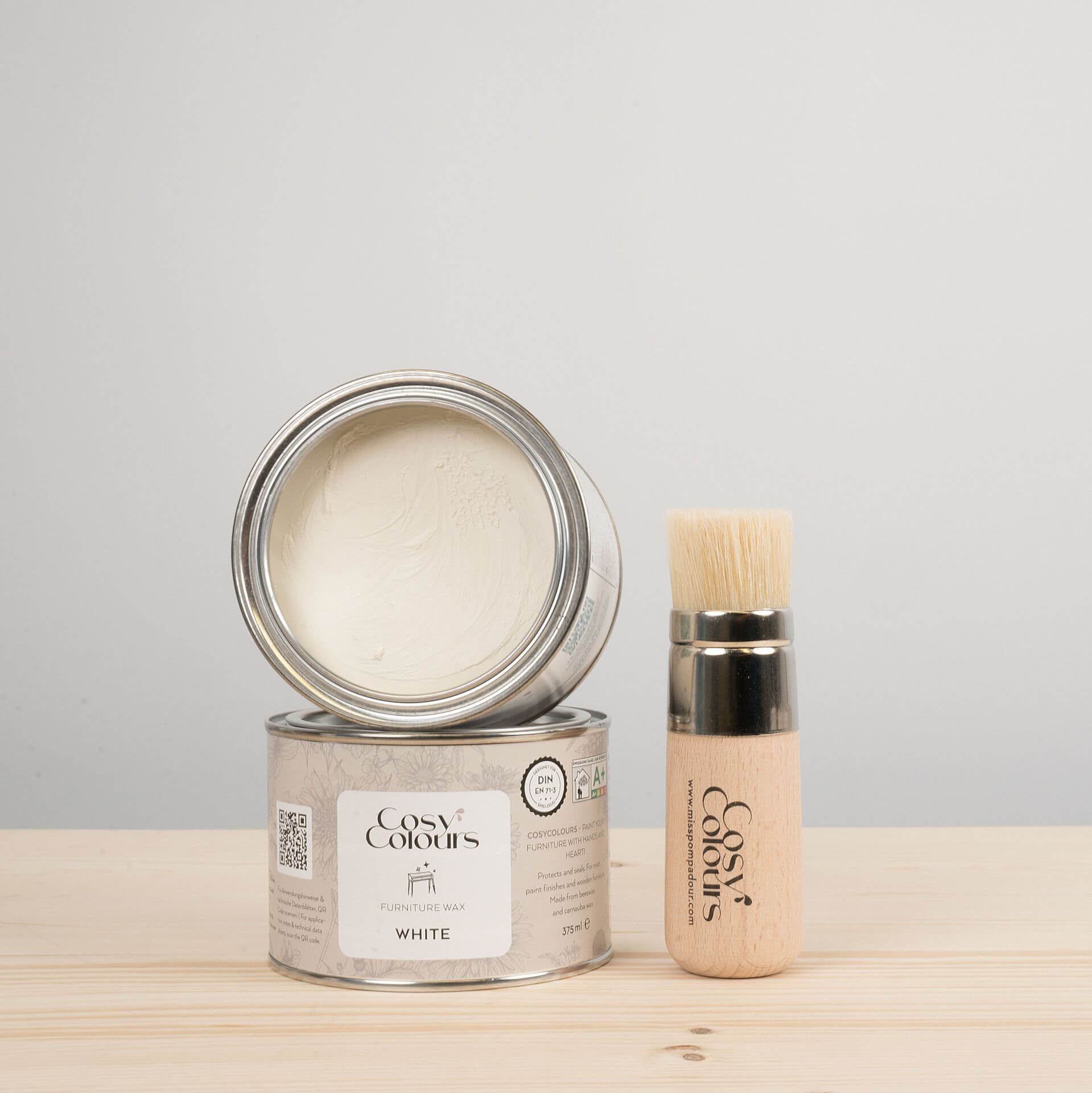
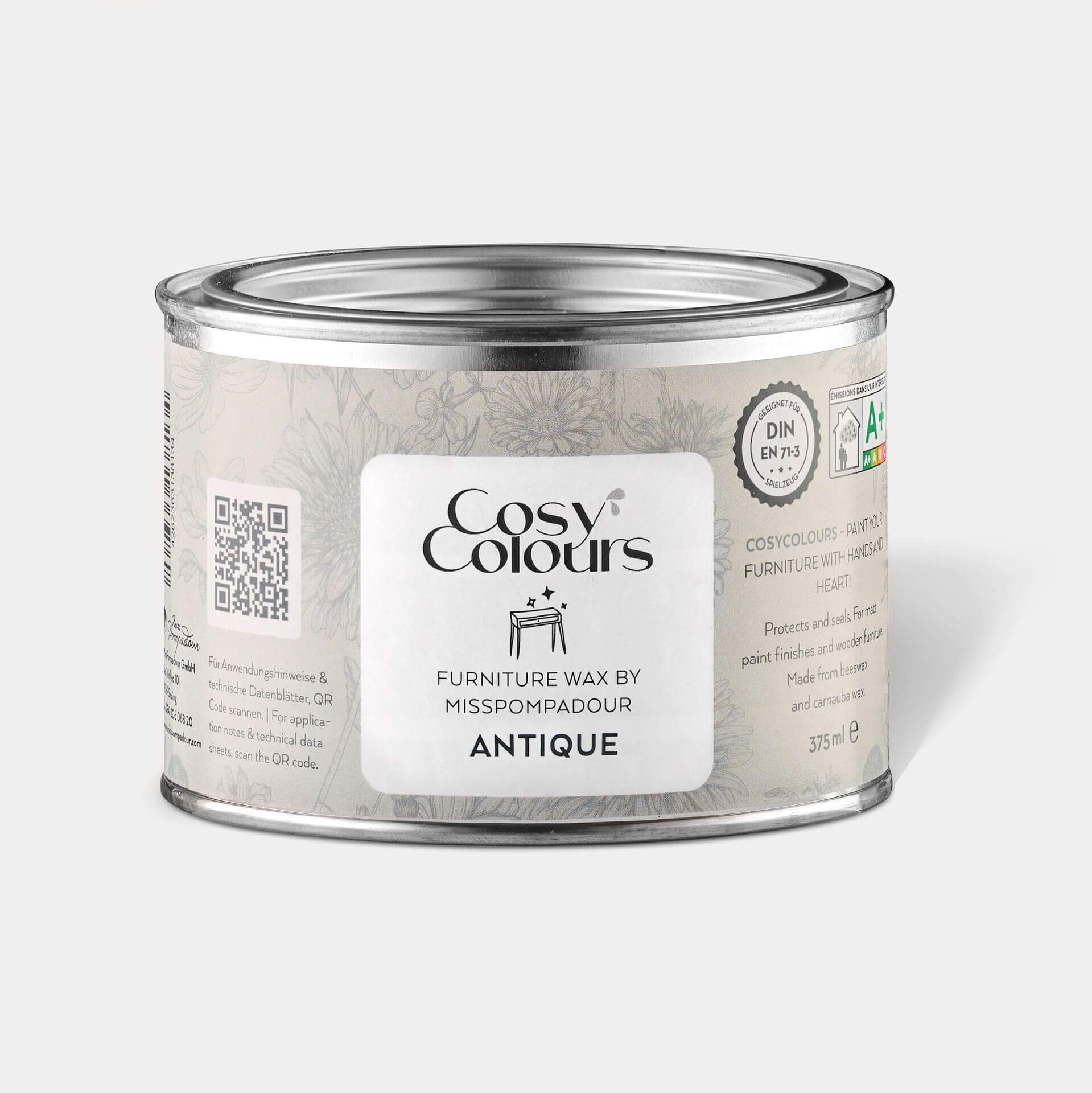
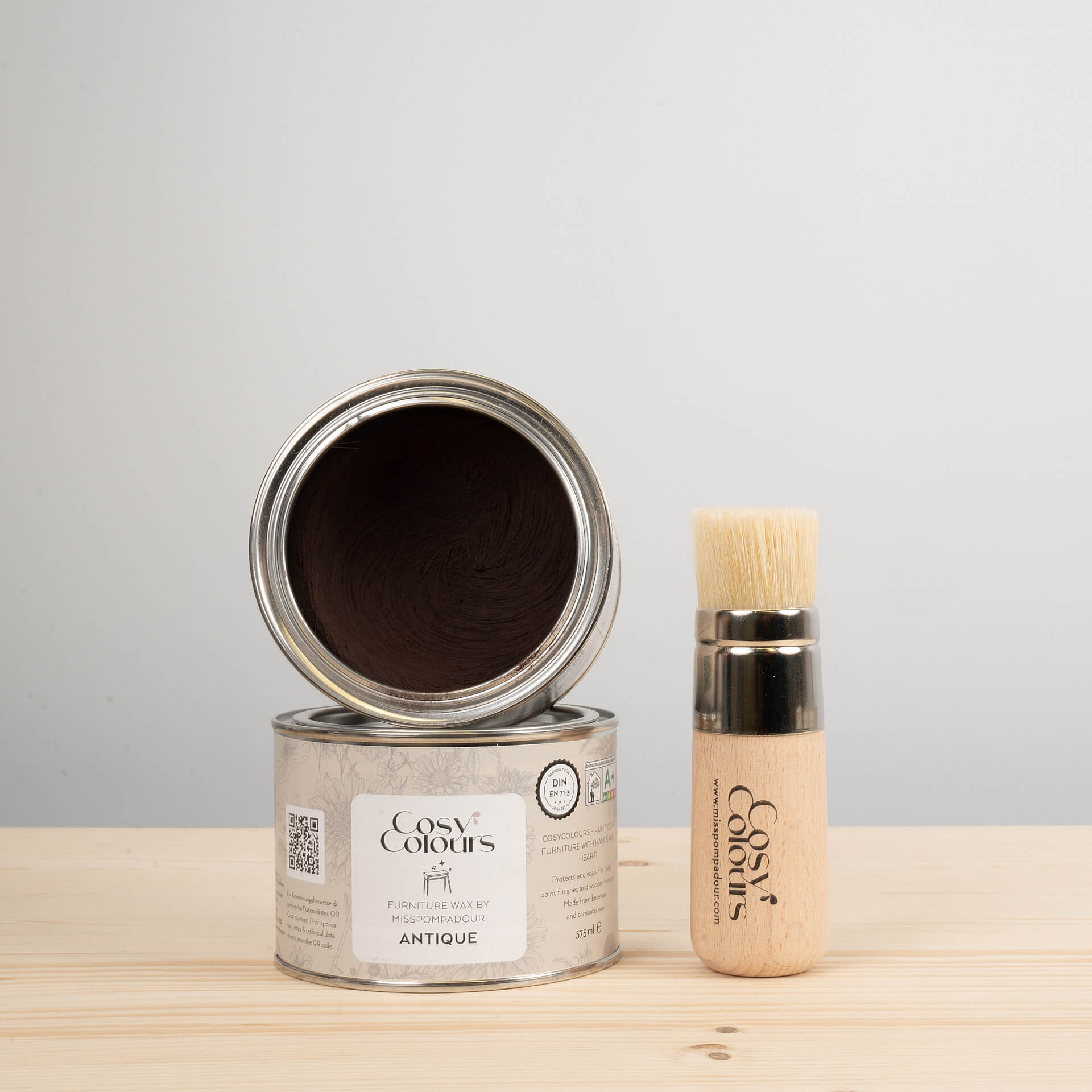
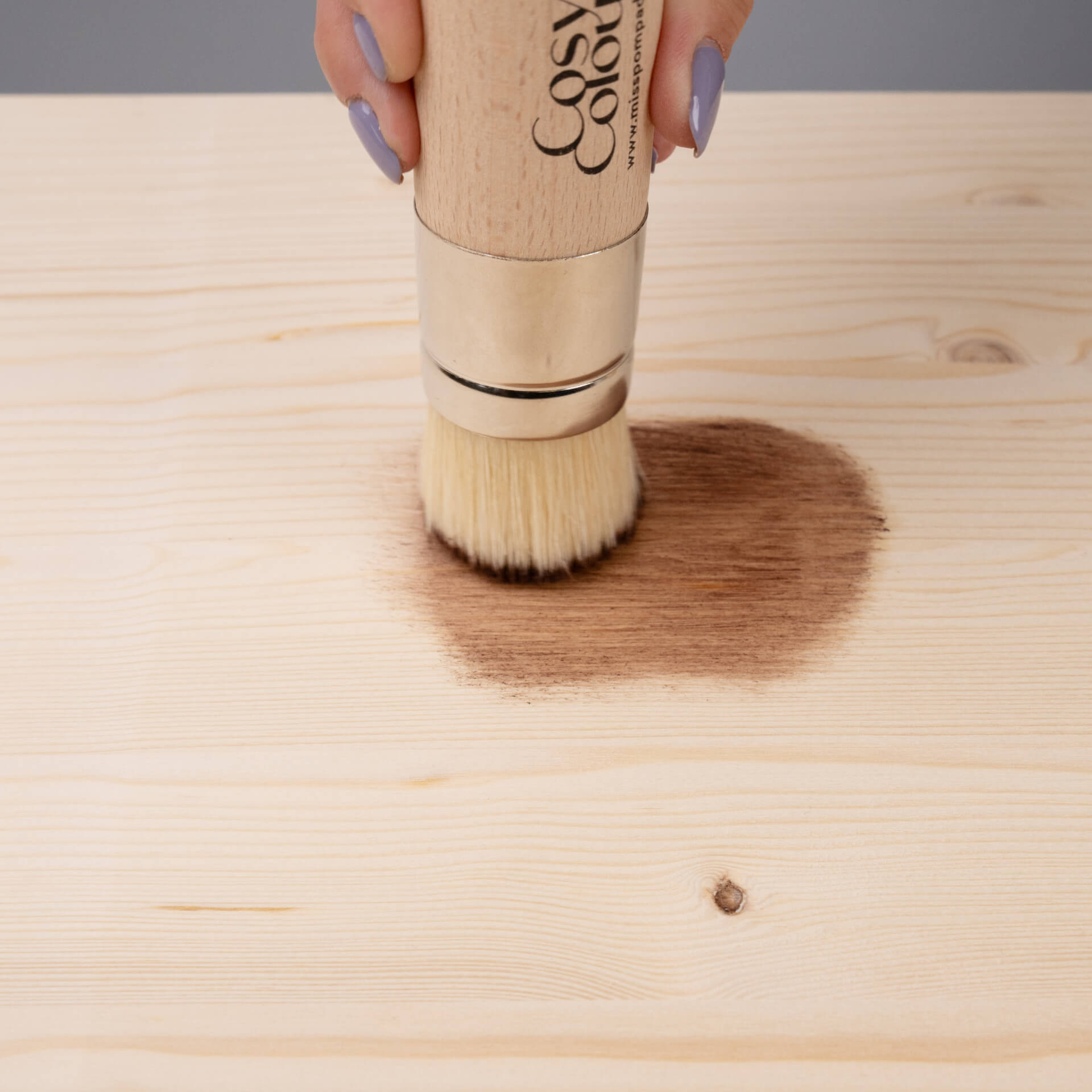
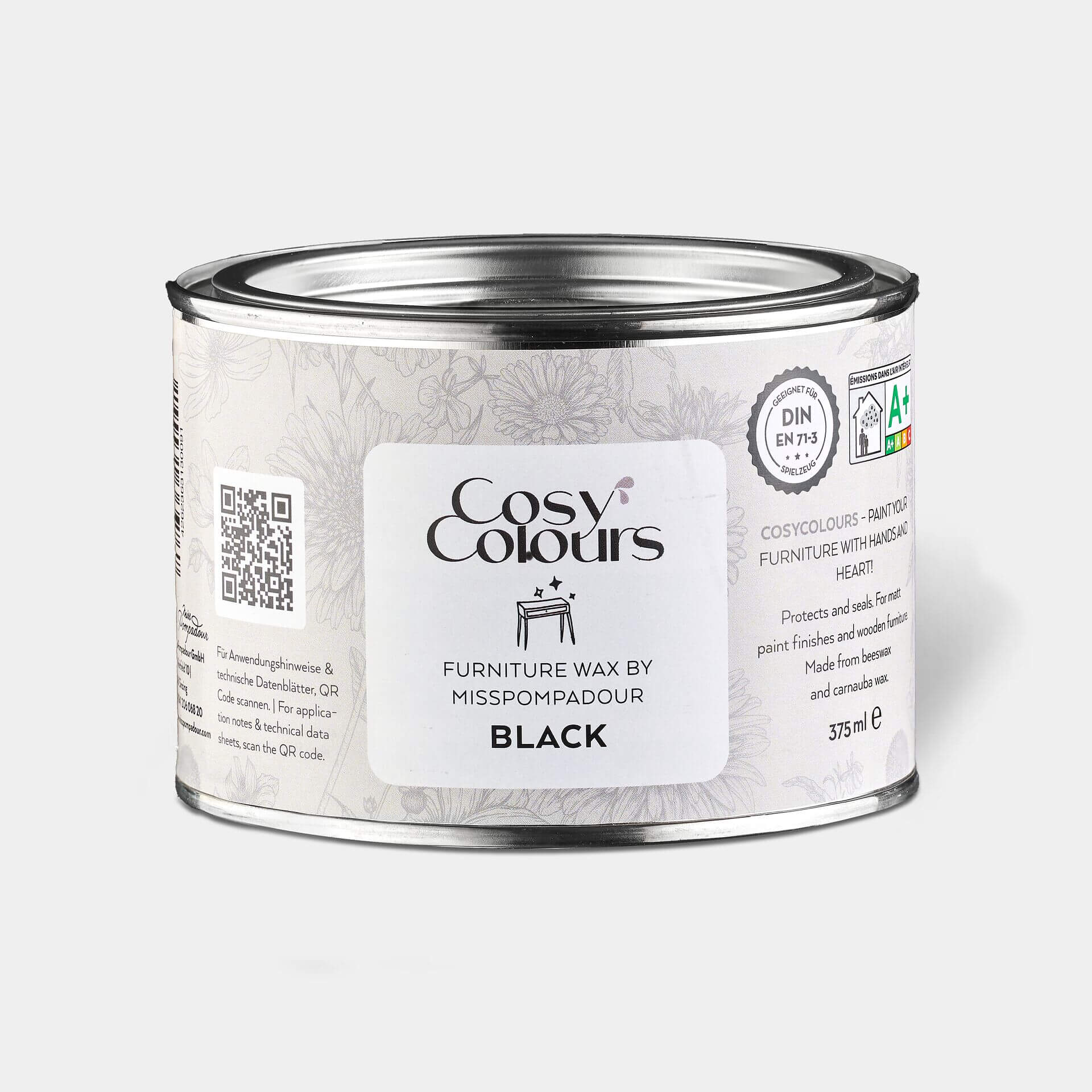
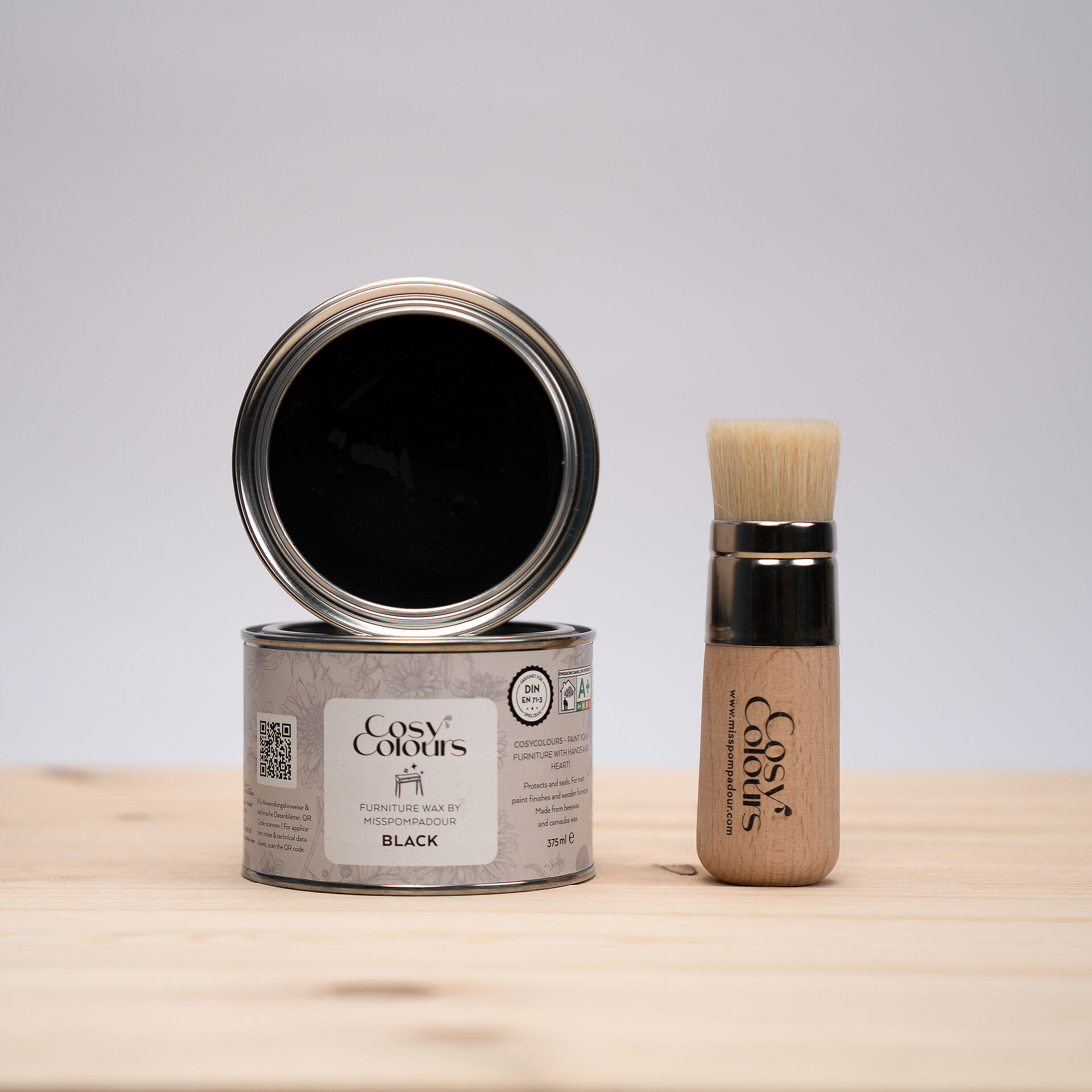
Clear varnishes aren't the only option for sealing a less heavily used piece of furniture. Why not try a clear wax to give your paintwork an extra matte finish? You can also use coloured waxes to easily create a beautiful patina yourself. This achieves a lovely shabby chic look that also works brilliantly on natural wood. Applying a topcoat of clear wax is also ideal for giving natural wood a final matte finish. Wood wax is available in various shades, from clear to gold.
Order topcoat and primer from the MissPompadour shop
We don't just stock topcoats and primers; we also have the perfect wall paint or paint for your project. Choose from over 100 shades! But that's not all: use our high-quality painting tools for your project. They are built to last! You'll soon see – painting with the right tools makes all the difference!